
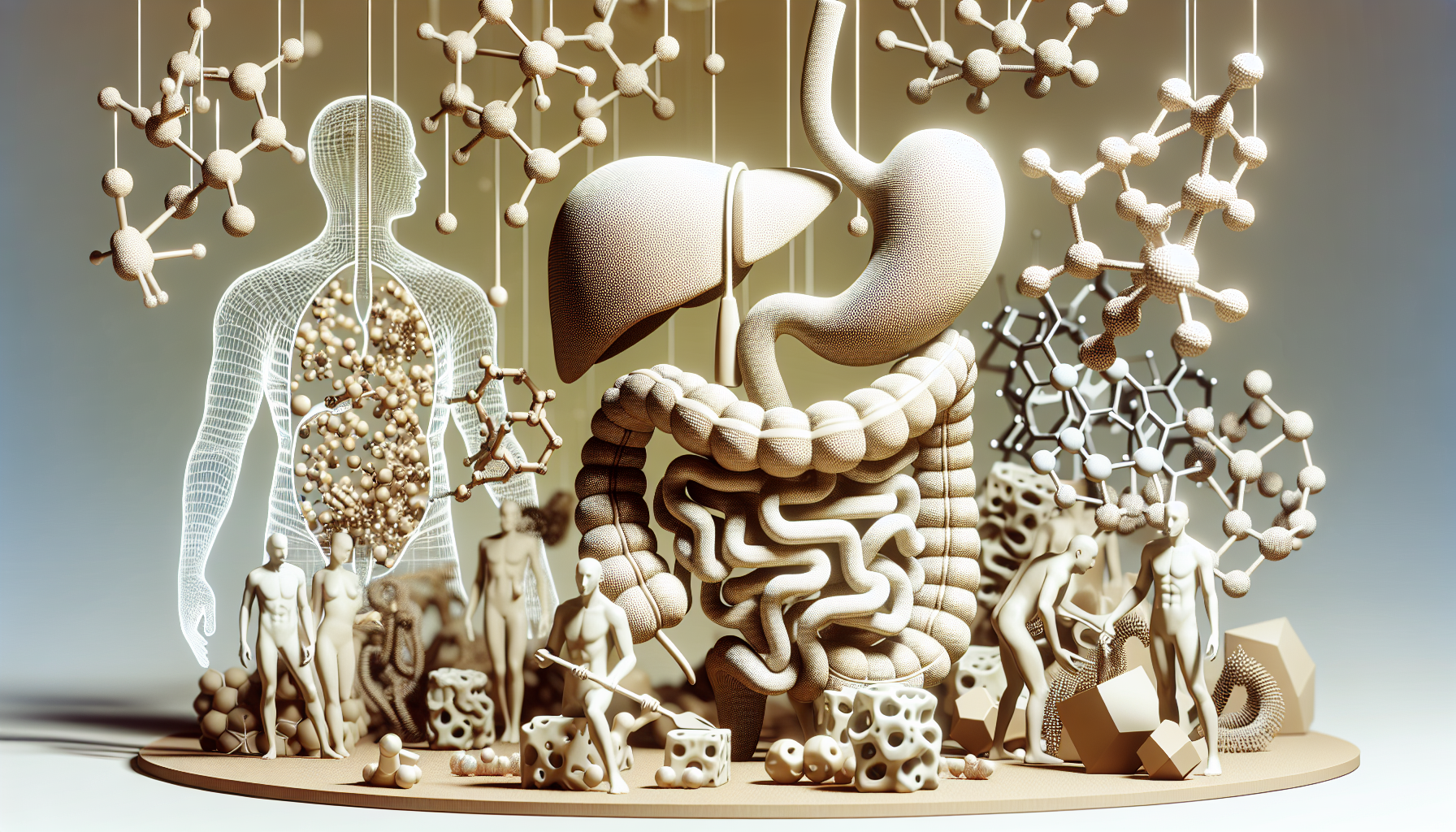
Understanding Digestive Enzymes
Digestive enzymes are essential proteins that help break down food into smaller, absorbable molecules. These enzymes play a crucial role in the digestive process, ensuring that nutrients are properly absorbed by the body.
Role of Digestive Enzymes
Digestive enzymes are necessary for breaking down various types of food. They speed up chemical reactions that convert nutrients into substances the body can absorb. These enzymes are found in saliva, organs like the pancreas, gallbladder, and liver, as well as in cells lining the intestines.
| Type of Enzyme | Function | Location |
|---|---|---|
| Amylase | Breaks down carbohydrates | Mouth, pancreas |
| Lipase | Breaks down fats | Stomach, pancreas |
| Protease | Breaks down proteins | Stomach, pancreas, small intestine |
Pancreatic Enzymes and Digestion
The pancreas plays a significant role in the digestive process by producing many essential enzymes. These enzymes are part of the digestive juices released into the intestines to break down food (Medical News Today). The primary pancreatic enzymes include:
- Lipase: Breaks down fats into fatty acids and glycerol.
- Amylase: Converts carbohydrates into simple sugars.
- Protease: Breaks down proteins into amino acids.
People with low levels of digestive enzymes may require additional pancreatic enzymes through replacement therapy if their pancreas does not produce enough enzymes to break down food. Exocrine pancreatic insufficiency (EPI) can lead to malnutrition and other complications (Medical News Today). Pancreatic enzyme replacement therapy (PERT) is a common treatment for EPI, combining lipase, amylase, and protease to restore normal digestive function.
The pancreas is a key player in digestive health, and maintaining its function is essential for overall well-being. For more information on digestive enzymes and their impact on health, explore our comprehensive guide on digestive enzymes.
Digestive Enzyme Deficiencies
Digestive enzyme deficiencies can significantly impact one’s digestive health. Digestive enzymes are essential proteins that help break down food into smaller, absorbable molecules. When these enzymes are lacking, it can lead to various health issues.
Impact of Enzyme Deficiencies
Enzyme deficiencies can result from conditions such as lactose intolerance or exocrine pancreatic insufficiency (EPI). In these cases, the body does not produce sufficient amounts of specific enzymes needed for proper digestion.
- Lactose Intolerance: This condition occurs when the body lacks lactase, the enzyme required to digest lactose found in dairy products. Without lactase, lactose remains undigested, leading to gastrointestinal symptoms.
- Exocrine Pancreatic Insufficiency (EPI): EPI arises when the pancreas fails to produce adequate digestive enzymes. This can lead to incomplete digestion of food and absorption of nutrients. Individuals with EPI may need additional pancreatic enzymes through replacement therapy (Medical News Today).
Symptoms and Health Complications
The symptoms of digestive enzyme insufficiency can be quite varied and often lead to discomfort and health complications. Common symptoms include:
- Malnutrition: Inadequate enzyme production can hinder nutrient absorption, leading to malnutrition. This can result in weight loss, fatigue, and weakened immune function.
- Gastrointestinal Irritation: Individuals may experience gastrointestinal irritation, including bloating, gas, and abdominal pain. These symptoms can make daily activities uncomfortable.
- Bloating and Gas: Difficulty breaking down certain foods can lead to excessive gas production and bloating, causing discomfort and social embarrassment.
| Symptom | Description |
|---|---|
| Malnutrition | Inadequate nutrient absorption, weight loss, fatigue |
| Gastrointestinal Irritation | Bloating, gas, abdominal pain |
| Bloating and Gas | Excessive gas production, discomfort |
Figures courtesy Johns Hopkins Medicine
In some cases, supplementation with digestive enzymes may be necessary. Over-the-counter supplements and prescription enzyme therapy can help manage these deficiencies. For more information on enzyme supplements, check out our article on digestive enzymes.
Individuals experiencing these symptoms should consult with healthcare providers to determine the underlying cause and appropriate treatment. Early intervention can help manage symptoms and improve overall digestive health. For more details on enzyme deficiencies and their impact, see our section on digestive enzymes.
Natural Sources of Enzymes
Digestive enzymes play a crucial role in breaking down the food we eat, aiding in nutrient absorption and overall digestive health. While enzyme supplements are available, incorporating enzyme-rich foods into your diet can be a natural and effective way to support your digestive system.
Enzyme-Rich Foods
Certain foods are naturally abundant in digestive enzymes, making them excellent additions to a diet aimed at improving digestion. Below is a table highlighting some of these enzyme-rich foods and the specific enzymes they contain.
| Food | Enzymes Present | Function of Enzymes |
|---|---|---|
| Pineapple | Bromelain | Helps digest protein |
| Avocado | Lipase | Aids in fat digestion and metabolism |
| Banana | Amylase, Maltase | Breaks down complex carbs and malt sugar |
| Papaya | Papain | Assists in protein digestion |
| Kefir | Lipase, Lactase, Proteases | Breaks down fat, lactose, and protein |
Data from Eating Well
Benefits of Natural Enzymes
Incorporating these enzyme-rich foods into your diet can offer several benefits for digestive health:
- Improved Digestion: Enzymes like bromelain, papain, and amylase help break down complex food molecules, making them easier to digest. This can reduce digestive discomfort and enhance nutrient absorption.
- Reduced Bloating: By aiding in the breakdown of food, natural enzymes can help alleviate bloating and indigestion.
- Enhanced Nutrient Absorption: Enzymes ensure that nutrients are efficiently absorbed from the food you eat, promoting overall health and well-being.
- Support for Enzyme Deficiencies: Consuming enzyme-rich foods can be particularly beneficial for individuals with enzyme deficiencies, helping to compensate for the lack of specific digestive enzymes.
For those experiencing digestive issues, it may also be beneficial to explore digestive enzyme supplements as a complementary approach. Always consult with a healthcare provider before starting any new dietary regimen or supplement.
Incorporating enzyme-rich foods into your daily diet can be simple and delicious. For more information on digestive enzymes and their benefits, explore our sections on digestive enzymes and digestive health.
Enzyme Supplements
Exploring enzyme supplements can be a valuable step for adults seeking relief from digestive issues. These supplements are designed to mimic natural pancreatic enzymes, aiding in the breakdown of carbohydrates, fats, and proteins from food.
Over-the-Counter Options
Over-the-counter (OTC) digestive enzyme supplements are readily available and can be a convenient option for managing digestive discomforts like acid reflux, gas, and bloating. These supplements typically contain a blend of enzymes such as amylase, lipase, protease, lactase, and alpha-galactosidase (Johns Hopkins Medicine).
However, it’s important to note that OTC enzyme supplements may lack FDA regulation, leading to variability in dosage, ingredients, and efficacy claims. This lack of standardization can sometimes result in inconsistent results and potential side effects.
Common OTC Enzyme Supplements
| Enzyme | Function | Example Uses |
|---|---|---|
| Amylase | Breaks down carbohydrates | Acid reflux, gas |
| Lipase | Breaks down fats | Bloating, fat digestion |
| Protease | Breaks down proteins | Protein digestion |
| Lactase | Breaks down lactose | Lactose intolerance |
| Alpha-galactosidase | Breaks down complex sugars | Gas and bloating |
These supplements come in various forms such as capsules, powders, and tablets. The dosage often varies based on the form and ingredients. Consulting with a healthcare provider can provide insights into the appropriate dosage based on individual needs (Health).
For those interested in exploring more about natural sources of enzymes, check out our section on enzyme-rich foods.
Prescription Enzyme Therapy
For individuals diagnosed with enzyme insufficiency, such as those with cystic fibrosis or frequent pancreatitis, prescription enzyme supplements may be recommended. One common form of prescription enzyme therapy is Pancreatic Enzyme Replacement Therapy (PERT) (Johns Hopkins Medicine).
PERT aids in processing food and enhancing nutrient absorption by mimicking natural pancreatic enzymes. These supplements must be taken just before meals to effectively break down carbohydrates, fats, and proteins, preventing malabsorption and related digestive discomforts (Healthline).
Common Prescription Enzyme Supplements
| Enzyme | Function | Example Conditions |
|---|---|---|
| Pancrelipase | Breaks down fats, proteins, and carbohydrates | Cystic fibrosis, pancreatitis |
While prescription enzyme therapy is regulated and typically more reliable in terms of efficacy, it’s crucial to follow a healthcare provider’s guidance when using these supplements.
For additional information on the role of enzymes in digestive health, visit our section on enzyme functions in digestion.
When considering enzyme supplements, whether OTC or prescription, consulting healthcare providers is essential to ensure safety and effectiveness. For more on this, refer to our section on consulting healthcare providers.
Enzymes and Digestive Health
Enzyme Functions in Digestion
Digestive enzymes play a crucial role in breaking down food by speeding up chemical reactions to convert nutrients into absorbable substances in the digestive tract (WebMD). These enzymes are found in various parts of the digestive system, including saliva, organs like the pancreas, gallbladder, and liver, as well as in cells lining the intestines.
Key digestive enzymes include:
- Amylase: Breaks down carbohydrates into simple sugars.
- Protease: Breaks down proteins into amino acids.
- Lipase: Breaks down fats into fatty acids and glycerol.
The pancreas is a key producer of digestive enzymes that break down carbohydrates, proteins, and fats. These enzymes are crucial for the proper absorption of nutrients and overall digestive health.
Enzyme Insufficiency Symptoms
Enzyme insufficiency occurs when the body doesn’t produce enough digestive enzymes, leading to various digestive issues. Common symptoms of enzyme insufficiency include:
- Bloating and Gas: Inadequate enzyme activity can lead to the fermentation of undigested food, causing bloating and gas.
- Diarrhea: Poor digestion can result in diarrhea as undigested food passes through the intestines too quickly.
- Abdominal Pain: The lack of enzymes can lead to discomfort and pain in the abdomen.
- Malnutrition: Insufficient enzymes can cause poor nutrient absorption, leading to malnutrition and weight loss.
| Symptom | Description |
|---|---|
| Bloating and Gas | Fermentation of undigested food |
| Diarrhea | Rapid passage of undigested food |
| Abdominal Pain | Discomfort due to inadequate digestion |
| Malnutrition | Poor nutrient absorption |
For individuals experiencing these symptoms, it may be beneficial to explore digestive enzymes and consider enzyme supplements. Consulting a healthcare provider can help determine the need for supplements and ensure their safe and effective use.
For more information on enzyme-rich foods and the benefits of natural enzymes, visit our section on natural sources of enzymes. Additionally, learn more about prescription enzyme therapy and over-the-counter options for managing enzyme deficiencies.
Considerations and Recommendations
Consulting Healthcare Providers
Before starting any new supplement, including digestive enzymes, it is crucial to consult with a healthcare provider. The Food and Drug Administration (FDA) does not evaluate the efficacy or safety of these supplements (Health). A healthcare provider can offer guidance on the appropriate type of enzyme and the correct dosage based on individual health needs. This ensures that you are using a product that is safe and effective for your digestive concerns.
Safety and Effectiveness of Supplements
The market for over-the-counter enzyme supplements is vast, including pills, powders, and liquids designed to alleviate symptoms of digestive disorders (WebMD). While these supplements can be beneficial, they are not regulated by the FDA like prescription medicines. This lack of regulation can lead to variability in dosage, ingredients, and efficacy claims.
Prescription digestive enzymes, such as pancreatic enzyme replacement therapy (PERT), contain specific enzymes like amylase, lipase, and protease. These are often recommended for individuals diagnosed with enzyme insufficiency conditions like cystic fibrosis or frequent pancreatitis (Johns Hopkins Medicine).
| Enzyme Supplement Type | Common Uses | Regulation | Examples |
|---|---|---|---|
| Over-the-Counter | Acid reflux, gas, bloating | Not FDA regulated | Amylase, lipase, protease |
| Prescription | Enzyme insufficiency | FDA regulated | PERT, containing amylase, lipase, protease |
For more detailed information on enzyme supplements, visit our section on digestive enzymes.
Always prioritize safety by consulting with healthcare providers and carefully reviewing product labels. This approach helps ensure that you select the right enzyme supplement tailored to your digestive health needs and avoid potential side effects.