
Understanding Digestive Enzymes
Role of Digestive Enzymes
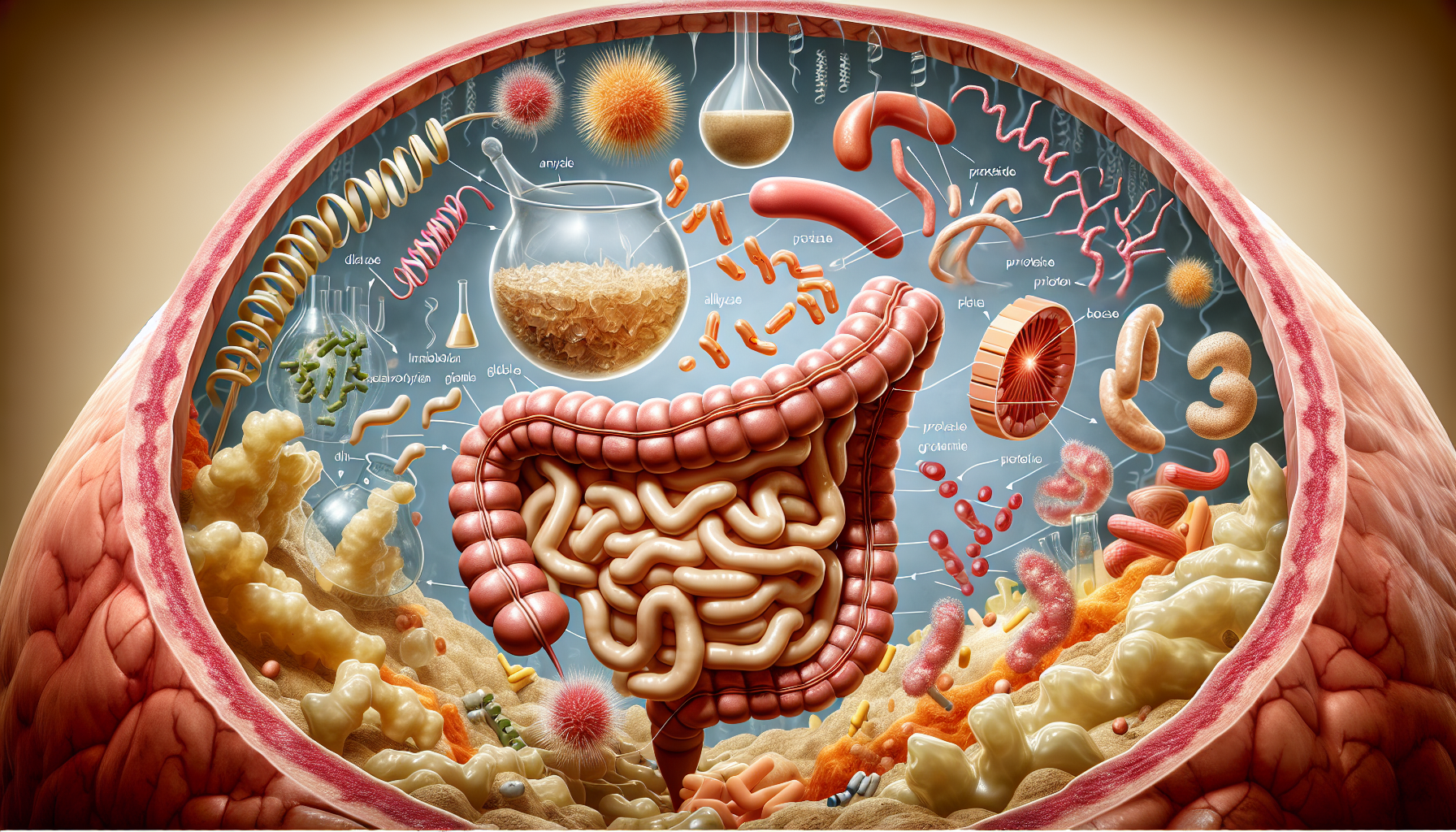
Digestive enzymes are substances that help break down food into absorbable nutrients. These enzymes are secreted by the salivary glands and cells lining the stomach, pancreas, and small intestine. They facilitate the digestion process by speeding up chemical reactions that convert complex food molecules into simpler forms that the digestive tract can absorb.
Different types of digestive enzymes target specific nutrients:
- Amylase: Breaks down carbohydrates.
- Maltase: Converts maltose into glucose.
- Lactase: Breaks down lactose.
- Lipase: Digests fats.
- Sucrase: Converts sucrose into glucose and fructose.
- Proteases: Break down proteins into amino acids.
For more information on the various types of digestive enzymes, visit our section on digestive enzymes.
Importance of Digestive Enzymes
Digestive enzymes play a crucial role in maintaining digestive health. They ensure efficient breakdown and absorption of nutrients, preventing issues like bloating, gas, and indigestion. Organs such as the pancreas, gallbladder, liver, and cells lining the intestines release these enzymes to aid digestion (WebMD).
Without proper enzymatic activity, the body may struggle to absorb essential nutrients, leading to deficiencies and digestive disorders. Individuals with enzyme deficiencies can manage their condition through dietary changes, natural enzyme sources, and over-the-counter supplements. Learn more about managing enzyme deficiencies in our section on digestive enzyme deficiencies.
| Enzyme | Function | Source |
|---|---|---|
| Amylase | Breaks down carbohydrates | Saliva, Pancreas |
| Maltase | Converts maltose to glucose | Small Intestine |
| Lactase | Breaks down lactose | Small Intestine |
| Lipase | Digests fats | Stomach, Pancreas |
| Sucrase | Converts sucrose to glucose and fructose | Small Intestine |
| Proteases | Break down proteins | Stomach, Pancreas |
Digestive enzymes are essential for overall digestive health and well-being. For those looking for relief from digestive issues, understanding these enzymes can be the first step towards better health. Explore our detailed articles on digestive enzymes for more insights.
Common Types of Digestive Enzymes
Digestive enzymes play a crucial role in breaking down food into nutrients that the body can absorb. Here are the common types of digestive enzymes and their functions.
Amylase and Its Function
Amylase is essential for digesting carbohydrates. It breaks down starches into sugars and is secreted by both the salivary glands and the pancreas. Amylase levels in the blood can aid in diagnosing pancreas or other digestive tract diseases.
| Source | Function |
|---|---|
| Salivary Glands | Begins carbohydrate digestion in the mouth |
| Pancreas | Continues carbohydrate digestion in the small intestine |
Maltase and Its Function
Maltase, produced by the small intestine, breaks down maltose (malt sugar) into glucose (simple sugar). The body utilizes glucose for energy.
| Source | Function |
|---|---|
| Small Intestine | Converts maltose into glucose for energy |
Lactase and Its Function
Lactase breaks down lactose, a sugar found in dairy products, into the simple sugars glucose and galactose. Lactase is produced by cells known as enterocytes that line the intestinal tract.
| Source | Function |
|---|---|
| Enterocytes (Intestinal Tract) | Breaks down lactose into glucose and galactose |
Lipase and Its Function
Lipase is produced in the pancreas and small intestine. It also appears in breast milk to aid in the digestion of fat molecules during nursing (Healthline).
| Source | Function |
|---|---|
| Pancreas | Digests dietary fats in the small intestine |
| Small Intestine | Continues fat digestion |
| Breast Milk | Aids fat digestion in infants |
Sucrase and Its Function
Sucrase is a digestive enzyme that breaks down sucrose (table sugar) into glucose and fructose. It is produced by the cells lining the small intestine.
| Source | Function |
|---|---|
| Small Intestine | Converts sucrose into glucose and fructose |
Proteases and Their Function
Proteases are enzymes that break down proteins into smaller peptides and amino acids. They are produced in the stomach, pancreas, and small intestine (Verywell Health).
| Source | Function |
|---|---|
| Stomach | Begins protein digestion |
| Pancreas | Continues protein digestion in the small intestine |
| Small Intestine | Completes protein digestion |
Understanding the role of these enzymes can help individuals manage digestive issues more effectively. For further reading on digestive enzymes, explore our article on digestive enzymes.
Causes of Digestive Enzyme Deficiencies
Digestive enzyme deficiencies can lead to various digestive issues. Understanding the root causes is essential for effective management and treatment. Here are some common causes:
Lactose Intolerance
Lactose intolerance occurs when the small intestine produces insufficient amounts of the enzyme lactase, which is necessary to break down lactose found in dairy products. This deficiency can cause symptoms such as frequent bowel movements, gas, and bloating after consuming dairy products. Lactose intolerance can be classified into three types: primary, secondary, and congenital/developmental (WebMD).
| Type of Lactose Intolerance | Description |
|---|---|
| Primary | Develops with age due to decreased lactase production |
| Secondary | Results from another condition affecting the small intestine |
| Congenital/Developmental | Present from birth due to genetic factors |
Exocrine Pancreatic Insufficiency
Exocrine Pancreatic Insufficiency (EPI) occurs when the pancreas fails to produce sufficient digestive enzymes, leading to digestion problems. This condition often results from damage to the pancreas caused by diseases such as cystic fibrosis, chronic pancreatitis, or pancreatic cancer.
| Cause of EPI | Description |
|---|---|
| Cystic Fibrosis | Genetic disorder affecting the pancreas |
| Chronic Pancreatitis | Long-term inflammation of the pancreas |
| Pancreatic Cancer | Malignant tumor affecting enzyme production |
Impact on Digestion
Insufficient production of digestive enzymes can lead to various digestive issues, including stomachaches, diarrhea, and gas. These symptoms occur because the body cannot properly break down and absorb nutrients from food. Some digestive disorders, such as lactose intolerance and EPI, hinder the body’s ability to produce enough enzymes for proper digestion.
| Symptom | Description |
|---|---|
| Stomachaches | Pain or discomfort in the abdominal area |
| Diarrhea | Frequent, loose, or watery stools |
| Gas | Excessive flatulence due to improper digestion |
For individuals experiencing these symptoms, managing digestive enzyme deficiencies may involve dietary changes, consuming foods rich in naturally occurring digestive enzymes, or taking over-the-counter or prescription enzyme supplements (Verywell Health). For more detailed management strategies, refer to our section on managing digestive enzyme deficiencies.
Managing Digestive Enzyme Deficiencies
Dealing with digestive enzyme deficiencies can significantly impact one’s digestive health. Fortunately, there are several strategies to manage these deficiencies effectively, including dietary changes, natural sources of enzymes, and over-the-counter supplements.
Dietary Changes
Adjusting one’s diet is often the first step in managing digestive enzyme deficiencies. By avoiding certain foods and incorporating others that are easier to digest or rich in natural enzymes, one can alleviate symptoms associated with enzyme deficiencies. For instance, individuals with lactose intolerance should avoid dairy products or opt for lactose-free options. For more information on dealing with enzyme-related issues, visit our digestive enzymes section.
| Condition | Recommended Dietary Changes |
|---|---|
| Lactose Intolerance | Avoid dairy or use lactose-free products |
| Gluten Sensitivity | Avoid gluten-containing foods |
| Exocrine Pancreatic Insufficiency | Smaller, more frequent meals, low-fat diet |
Natural Sources of Enzymes
Incorporating foods rich in natural digestive enzymes can help improve digestion. These foods can complement the body’s enzyme production and aid in breaking down nutrients more effectively. Below are some examples of natural enzyme sources:
| Food | Enzyme |
|---|---|
| Pineapples | Bromelain |
| Avocados | Lipase |
| Bananas | Amylase, Maltase |
| Mangos | Amylase |
| Papaya | Papain |
For a detailed look at the natural sources of enzymes, refer to our article on digestive enzymes.
Over-the-Counter Supplements
Over-the-counter enzyme supplements can be a helpful addition to one’s digestive health regimen. These supplements are available in various forms, such as pills, powders, and liquids, and can target different digestive issues, including diarrhea and bloating. However, it’s important to note that the ingredients, dosage, and concentration of these supplements may not be guaranteed due to the lack of FDA regulation.
| Type of Supplement | Common Use | Considerations |
|---|---|---|
| Amylase Supplements | Carbohydrate digestion | Consult with a doctor |
| Lipase Supplements | Fat digestion | Monitor for side effects |
| Protease Supplements | Protein digestion | Ensure proper dosage |
Before starting any over-the-counter supplement, it’s crucial to consult with a healthcare provider to ensure its safety and efficacy. For more tips and guidance, explore our section on digestive enzymes.
By making informed dietary changes, incorporating natural enzyme sources, and considering over-the-counter supplements, individuals can better manage digestive enzyme deficiencies and improve their overall digestive health.
Prescription Enzyme Supplements
Conditions Requiring Enzyme Supplements
Certain medical conditions can result in deficiencies of digestive enzymes, necessitating the use of prescription enzyme supplements. These conditions include:
-
Pancreatitis: This condition causes inflammation of the pancreas, impairing its ability to produce enzymes necessary for digestion. Supplementing with prescription enzymes can aid in proper digestion and nutrient absorption.
-
Cystic Fibrosis: A genetic disorder that affects the lungs and digestive system, cystic fibrosis often results in thick mucus that blocks enzyme release. Prescription enzyme supplements are crucial for individuals with this condition to digest food effectively (Healthline).
-
Pancreatic Cancer: This type of cancer can significantly reduce the pancreas’s enzyme production. Supplementing with prescription enzymes can help manage symptoms and improve nutrient absorption.
-
Exocrine Pancreatic Insufficiency (EPI): EPI occurs when the pancreas does not produce enough digestive enzymes. This can be due to various causes, including chronic pancreatitis or cystic fibrosis. Prescription enzyme supplements are often needed to aid digestion.
Efficacy and Safety Considerations
When considering prescription enzyme supplements, it is essential to weigh their efficacy and safety. Here are some key points to consider:
-
Effectiveness: Prescription enzyme supplements are designed to replace the enzymes that the body is unable to produce. These supplements have been shown to be effective in improving digestion and nutrient absorption in individuals with enzyme deficiencies (Healthline).
-
Regulation: Unlike over-the-counter supplements, prescription enzyme supplements are regulated by the FDA. This means they undergo rigorous testing to ensure their safety and efficacy before being approved for use.
-
Dosage and Administration: The dosage of prescription enzyme supplements is typically tailored to the individual’s specific needs. A healthcare provider will determine the appropriate dosage based on the severity of the enzyme deficiency and the individual’s overall health.
-
Side Effects: While prescription enzyme supplements are generally safe when used as directed, they can cause side effects in some individuals. Common side effects may include nausea, abdominal pain, and diarrhea. It is important to consult with a healthcare provider to monitor for any adverse reactions.
| Condition | Prescription Enzyme Needed |
|---|---|
| Pancreatitis | Yes |
| Cystic Fibrosis | Yes |
| Pancreatic Cancer | Yes |
| Exocrine Pancreatic Insufficiency (EPI) | Yes |
For more information on managing digestive enzyme deficiencies and the role of dietary changes and natural sources of enzymes, check out our articles on digestive enzymes and natural sources of digestive enzymes.
Natural Sources of Digestive Enzymes
Digestive enzymes play a crucial role in breaking down food into nutrients that can be absorbed by the body. Incorporating natural sources of these enzymes into your diet can help alleviate digestive issues. Here are some fruits that are rich in digestive enzymes:
Pineapples and Bromelain
Pineapples are packed with bromelain, a mixture of enzymes that aid in digesting proteins. Bromelain is sensitive to heat, so consuming raw pineapple is the best way to maximize your intake. Add fresh pineapple to your diet for its digestive benefits.
| Nutrient | Amount per 100g |
|---|---|
| Bromelain | 100 mg |
Avocados and Lipase
Avocados contain lipase, an enzyme essential for the metabolism and digestion of fats. They are versatile and can be easily added to your diet in various forms, such as avocado toast, guacamole, or smoothie additions (EatingWell).
| Nutrient | Amount per 100g |
|---|---|
| Lipase | 50 mg |
Bananas and Amylase / Maltase
Bananas are a good source of amylase and maltase. Amylase helps break down complex carbohydrates, while maltase breaks down malt sugar found in starchy foods. Bananas can be a simple and effective way to boost your digestive enzyme intake (EatingWell).
| Enzyme | Amount per 100g |
|---|---|
| Amylase | 20 mg |
| Maltase | 15 mg |
Mangos and Amylase
Mangos are rich in amylase, which makes it easier for the body to break down starches into simpler carbohydrate molecules for absorption. Incorporating mango into your diet can enhance your digestive health.
| Nutrient | Amount per 100g |
|---|---|
| Amylase | 25 mg |
Papaya and Papain
Papaya contains papain, an enzyme that helps break down proteins. Consuming raw papaya maximizes its digestive benefits. Enjoy papaya as a breakfast side, in salads, or in smoothies for optimal results.
| Nutrient | Amount per 100g |
|---|---|
| Papain | 200 mg |
Including these fruits in your diet can provide natural sources of digestive enzymes, aiding in better digestion and nutrient absorption. For more information on digestive enzymes and how they can benefit your health, explore our related articles.