
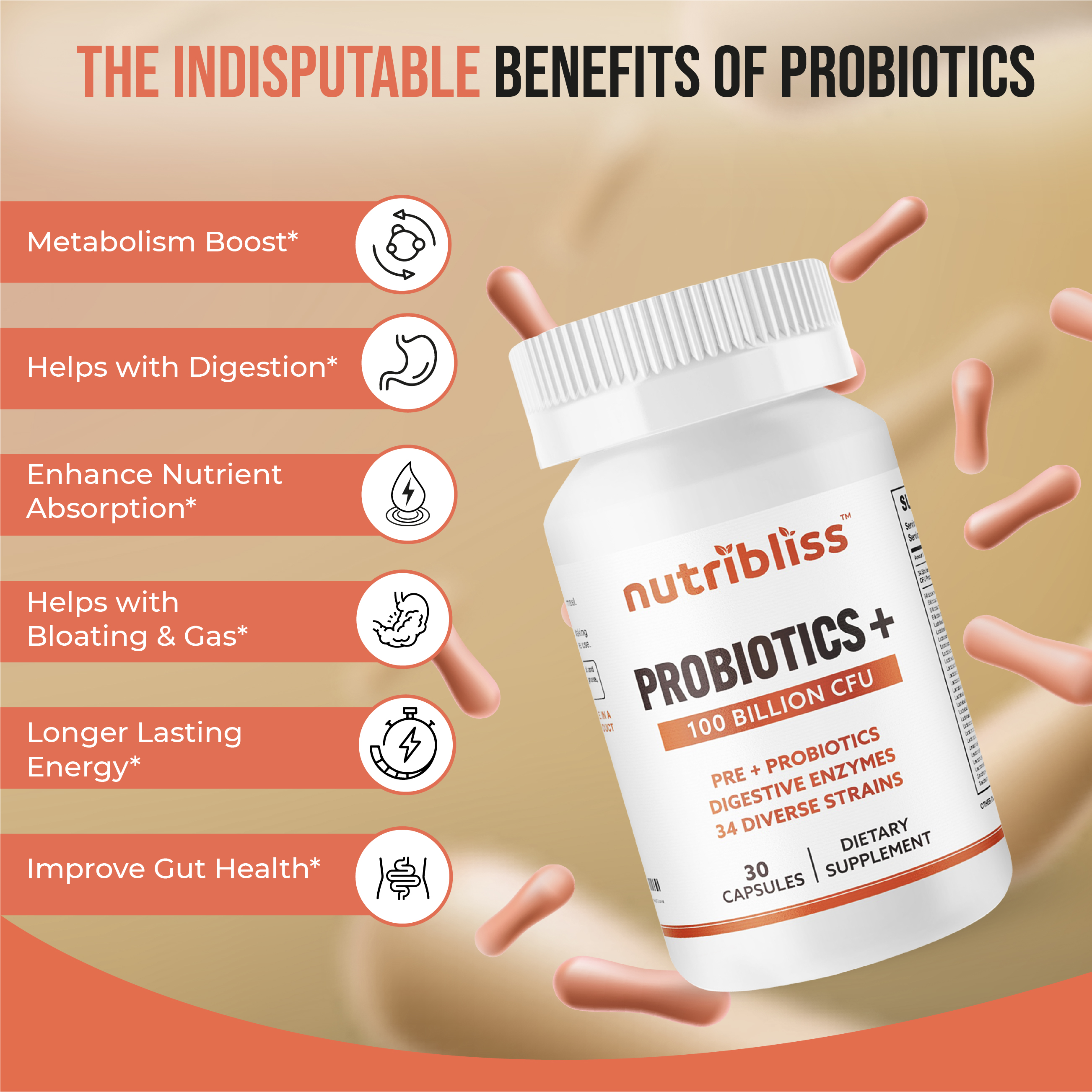
Best probiotics supplements for men & women
Probiotic supplement for gut health have gained popularity for their potential health benefits, particularly in supporting gut health. From combating digestive issues to improving immunity, these top probiotics supplements offer a range of advantages. This comprehensive guide explores everything you need to know about natural probiotics supplements, including their benefits, potential risks, types, and how to choose the best probiotics supplements for men & women your needs.
Best Probiotics Supplements For Women & Men
Find the top probiotic supplements for gut health tailored for the health needs of both women and men.
What Are Probiotics?
Probiotics supplements are live microorganisms that, when consumed in adequate amounts, provide health benefits to the host. They are often referred to as “good bacteria” and are naturally found in foods like yogurt, kefir, and sauerkraut. Probiotic supplement for gut health, available in various forms such as capsules, tablets, and powders, are concentrated sources of these beneficial bacteria.
Best probiotic supplement for gut health
Improved Digestive Health:
The best probiotic for bloatings can alleviate symptoms of digestive disorders such as bloating, gas, and diarrhea.
Enhanced Immunity
They may strengthen the immune system, reducing the risk of infections.
Mental Health Support:
Some studies suggest probiotics capsules might positively impact mental health by influencing the gut-brain axis.
Management of Certain Conditions
Probiotics capsules are used in managing conditions like irritable bowel syndrome (IBS), inflammatory bowel disease (IBD), and lactose intolerance.
Types of Probiotic Supplements
Probiotic supplements vary in the strains they contain. Common strains include Lactobacillus, Bifidobacterium, and Saccharomyces boulardii. Each strain may offer different benefits, so choosing the best probiotics supplements for gut health depends on your specific health goals.
How Probiotics Work?
Top probiotics supplements work primarily by colonizing the gut and supporting the balance of intestinal microflora. They promote the growth of beneficial bacteria while inhibiting harmful ones, thereby enhancing digestive health and overall well-being.
Risks and Side Effects
of
Probiotic Supplements
While generally safe for most people, probiotics capsules can initially cause mild side effects such as bloating or gas. In rare cases, they may lead to more serious complications, especially in individuals with weakened immune systems.
best probiotic supplement for women & men
Factors to consider when selecting the best probiotic supplement for women & men include:
-
Strain Diversity:
Look for probiotic’s supplements containing multiple strains for broader benefits.
-
CFU Count
Ensure an adequate colony-forming unit (CFU) count, typically in billions, for effectiveness.
-
Packaging and Storage
Probiotics are sensitive to heat and moisture, so choose supplements that are properly packaged and stored.
What Do Probiotics Do?
Probiotic supplements are live microorganisms, primarily bacteria, that confer health benefits when consumed in adequate amounts. They play several key roles in the body
- Digestive Health: Probiotics capsules help maintain a balance of beneficial bacteria in the gut, which is essential for proper digestion and nutrient absorption.
- Immune Function: They support the immune system by enhancing the gut’s barrier function and competing with harmful bacteria for resources.
- Mental Health: Some studies suggest a link between gut health and mental well-being, indicating probiotics might influence mood and cognitive function.
- Inflammation Regulation: Probiotic supplements may help reduce inflammation in the gut and throughout the body, potentially benefits of probiotics for women & men conditions like inflammatory bowel disease (IBD).
Which Probiotics Are Effective ?
The effectiveness of probiotics depends on several factors:
- Strain Specificity: Different strains of probiotics may have varying effects on health. Commonly studied strains include Lactobacillus and Bifidobacterium species.
- Condition-Specific Use:Certain strains may be more effective for specific conditions, such as Lactobacillus rhamnoses GG for diarrhea prevention or Saccharomyces boulardii for managing antibiotic-associated diarrhea.
- Dose and Formulation: The efficacy of probiotics can vary based on the colony-forming units (CFUs) present in the supplement and how well they survive stomach acid to reach the intestines. Risks and Benefits of Probiotics
Benefits:
- Digestive Health:Probiotics can alleviate symptoms of digestive disorders and promote regular bowel movements.
- Immune Support:They may enhance the immune response and reduce the risk of infections.
- Mental Well-being: Some evidence suggests probiotics could play a role in mental health by influencing the gut-brain axis.
- Inflammatory Conditions: Probiotics might help reduce inflammation in conditions like IBD and allergic reactions.
Risks:
- Digestive Discomfort: Initially, some people may experience mild gastrointestinal symptoms like bloating or gas.
- Infection Risk: Probiotics may pose a risk of infection, especially in individuals with compromised immune systems.
- Effectiveness Variability: The benefits of probiotics can vary widely among individuals, and not all products on the market may deliver the promised results. Potential Health Benefits of Probiotics
- Improved Digestive Function: Probiotics help maintain a healthy balance of gut bacteria, which supports digestion and nutrient absorption.
- Reduction in Diarrhea: They can be effective in preventing or reducing the severity of diarrhea, including antibiotic-associated diarrhea and infectious diarrhea.
- Management of Irritable Bowel Syndrome (IBS): Certain probiotic strains may alleviate symptoms of IBS, such as abdominal pain and irregular bowel movements.
- Enhanced Immunity: Probiotics support immune function, potentially reducing the risk of infections and enhancing the body’s ability to fight pathogens.
- Potential Mental Health Benefits: Emerging research suggests probiotics may play a role in mood regulation and cognitive function, although more studies are needed to confirm these effects.
How to Take Probiotic Supplements?
- Timing: It’s often recommended to take probiotics with food to help protect them from stomach acid.
- Consistency: Taking probiotics daily can help maintain a healthy gut flora over time.
Are probiotic Supplements Worth it?
Whether probiotic supplements are worth taking depends on individual health needs. They can be beneficial for those experiencing digestive issues or aiming to support overall wellness. Consultation with a healthcare provider can provide personalized guidance.
Taking probiotic capsules or powder daily can benefit many people, but whether it’s good for you depends on your individual health needs and goals. Here’s a breakdown of the key points to consider:
Is it good to take the probiotic capsules every day?
Benefits:
- Consistent Gut Health: Daily intake of probiotic capsules can help maintain a healthy balance of gut bacteria, which is beneficial for digestion and overall immune function.
- Support for Digestive Issues: Regular use may alleviate symptoms of conditions like bloating, gas, and diarrhea, especially for those with irritable bowel syndrome (IBS) or other gastrointestinal disorders.
- General Wellness: Some people report feeling better overall with regular probiotic use, attributing improvements in energy levels and skin health to a balanced gut microbiome.
Considerations:
- Individual Responses Vary: Probiotic supplements affect individuals differently. Some may notice immediate benefits, while others might require longer periods to see results.
- Consultation Recommended: It’s advisable to consult with a healthcare provider, especially if you have specific health conditions or concerns.
What is the best form of probiotic to take?
The best form of probiotic supplements depends on several factors, including:
- Type of Strain: Different strains of probiotics may have varying benefits. Common strains include Lactobacillus and Bifidobacterium species.
- Formulation: Probiotics come in various forms such as capsules, tablets, powders, and even as ingredients in certain foods (e.g., yogurt, kefir).
- CFU Count: Look for products with an adequate colony-forming unit (CFU) count, typically in billions, to ensure effectiveness.
- Quality: Choose products from reputable brands that ensure potency and stability through proper packaging and storage.
Is There A Downside To Taking Probiotics Supplements?
Potential Downsides:
- Digestive Issues: Some people may experience initial side effects such as bloating, gas, or mild stomach upset when starting probiotics.
- Risk for Certain Groups: Individuals with compromised immune systems or underlying health conditions should use probiotics cautiously, as they may pose a risk of infection in rare cases.
- Effectiveness: Not all probiotic supplements may deliver the expected benefits due to differences in strains, formulations, and individual responses.
Balance and Moderation:
- Individual Response: The impact of probiotics varies widely among individuals, so it’s important to monitor how your body responds and adjust accordingly.
- Consult a Professional: Seek advice from a healthcare provider to determine whether probiotics are suitable for your specific health needs.
When Are Probiotics Supplements Recommended?
Probiotics are recommended in various situations to support health and well-being:
- Digestive Disorders: They are often used to alleviate symptoms of digestive issues such as bloating, gas, diarrhea, and constipation, especially in conditions like irritable bowel syndrome (IBS).
- After Antibiotic Treatment: Antibiotics can disrupt the natural balance of gut bacteria. Probiotics may help restore this balance and reduce the risk of antibiotic-associated diarrhea.
- Immune Support: Probiotics are recommended for enhancing immune function, particularly during times of increased susceptibility to infections or when the immune system needs support.
- General Wellness: Many people take probiotics as a part of their daily routine to maintain overall gut health and support a healthy immune system.
Risks And Side Effects Of Taking Probiotics
While probiotics are generally considered safe for most people, they can sometimes cause mild side effects, especially when starting a new regimen or with certain conditions:
- Digestive Discomfort: Some individuals may experience initial symptoms such as bloating, gas, or mild abdominal discomfort. These symptoms typically subside as the body adjusts to the probiotics.
- Risk of Infection: In rare cases, particularly in individuals with compromised immune systems, probiotics can lead to infections. This risk is higher with probiotics containing live bacteria, so caution is advised in such cases.
- Allergic Reactions: People allergic to certain bacteria strains used in probiotics may experience allergic reactions, although this is uncommon.
- Interaction with Medications: Probiotics could potentially interact with medications or supplements, so it’s advisable to consult with a healthcare provider before starting probiotics, especially if you have underlying health conditions or are taking medications.
How Can I Tell If Probiotics Are Working For Me?
Determining if probiotics capsules are effective for you involves observing changes in your health and well-being over time:
- Digestive Health: If you’re taking probiotics for digestive issues, monitor changes in symptoms such as bloating, gas, diarrhea, or constipation. Improvement in these symptoms suggests that the probiotics are working.
- Immune Function: Notice if you experience fewer infections or a faster recovery from illnesses, indicating that probiotics may be supporting your immune system.
- Mental Well-being: Some people report improvements in mood and cognitive function with regular probiotic use. Pay attention to changes in your mental health if that’s a reason for taking probiotics.
- Overall Well-being: Many individuals feel a general sense of improved well-being when taking probiotics regularly. This may include increased energy levels, better skin health, or fewer general discomforts.
Can Probiotics Cause Diarrhea, Constipation,
Or Stomach Pain?
While probiotics are often used to alleviate digestive issues, they can occasionally cause mild gastrointestinal symptoms:
- Diarrhea: Certain probiotics, especially those containing lactobacilli or bifidobacteria, may initially cause loose stools or diarrhea in some individuals. This usually resolves as the gut adjusts to the new bacteria.
- Constipation: In contrast, probiotics could potentially cause constipation, although this is less common. It may occur if the probiotic strain doesn’t suit your digestive system or if the balance of gut flora is disrupted.
- Stomach Pain: Some people may experience mild stomach discomfort or cramping when starting probiotics. This typically improves as your body adapts to the probiotics.
What’s The Best Way To Take Probiotics Capsules?
To maximize the effectiveness of probiotics, consider the following tips:
- Consistency: Take probiotics regularly as directed by the product label or your healthcare provider. This helps maintain a stable level of beneficial bacteria in your gut.
- Timing: It’s generally recommended to take probiotics with meals to minimize the impact of stomach acid, which can destroy some probiotic strains. However, specific instructions may vary depending on the product.
- Storage: Store probiotics according to the manufacturer’s instructions. Some formulations require refrigeration to maintain potency, while others can be stored at room temperature.
- Quality: Choose high-quality probiotic supplements from reputable brands to ensure potency and effectiveness. Look for products that disclose the specific strains and CFU counts.
What Are The Benefits Of Taking Probiotic
Supplements?
Probiotic supplements offer several potential benefits:
- Digestive Health: They can help maintain a healthy balance of gut bacteria, which supports digestion and reduces symptoms like bloating, gas, and diarrhea.
- Immune Support: Probiotics enhance the immune system by promoting the growth of beneficial bacteria that compete with harmful pathogens.
- Mental Well-being: Some evidence suggests probiotics may influence mood and cognitive function through the gut-brain axis, potentially improving mental health.
- General Wellness: Many people report feeling overall better with regular probiotic use, experiencing benefits such as increased energy, better skin health, and improved vitality.
- Support for Specific Conditions: Probiotics are used in managing conditions like irritable bowel syndrome (IBS), inflammatory bowel disease (IBD), and lactose intolerance, among others.
How Do Probiotic Supplements Work?
Probiotic supplements work by introducing beneficial bacteria into the digestive tract, specifically the intestines. Here’s how they function:
- Colonization: Probiotics contain live bacteria strains that can survive passage through the acidic environment of the stomach and reach the intestines.
- Balancing Gut Microbiota: Once in the intestines, probiotics help restore and maintain a healthy balance of gut bacteria. They may inhibit the growth of harmful bacteria and promote the growth of beneficial ones.
- Supporting Immune Function: A significant portion of the body’s immune system resides in the gut. By enhancing gut health, probiotics can support immune function, helping to defend against infections and maintain overall health.
Why Are Probiotic Supplements Essential For The Intestine?
Probiotic supplements are essential for intestinal health due to several reasons:
- Maintaining Microbial Balance: The intestines host a complex ecosystem of bacteria, fungi, and other microorganisms known as the gut microbiota. Probiotics contribute to balancing this microbiota, which is crucial for digestive function, nutrient absorption, and overall well-being.
- Digestive Health: Probiotics help alleviate symptoms of digestive disorders such as irritable bowel syndrome (IBS), diarrhea, constipation, and bloating by promoting a healthy gut environment.
- Immune Support: A significant portion of the body’s immune cells are located in the intestines. By supporting gut health, probiotics indirectly enhance immune function, potentially reducing the risk of infections and inflammatory conditions.
How Long Should I Take Probiotic Supplements?
The duration for taking probiotic supplements can vary based on individual health goals and responses. Here are some considerations:
- Short-Term Use: For addressing specific digestive issues or after a course of antibiotics, a short-term use of probiotics (several weeks to a few months) may be sufficient to restore balance.
- Long-Term Use: Some individuals benefit from long-term probiotic supplementation, especially those with chronic digestive conditions like IBS or for ongoing immune support. Long-term use may help maintain a stable gut microbiota.
- Consultation: It’s advisable to consult with a healthcare provider to determine the appropriate duration of probiotic supplementation based on your health status and goals.
What Are The Best Probiotic Supplements?
Choosing the best probiotic supplement depends on several factors:
- Strain Diversity: Look for supplements that contain multiple strains of probiotics, such as Lactobacillus and Bifidobacterium species, for broader benefits.
- High CFU Count: Ensure the supplement has an adequate colony-forming unit (CFU) count, typically in billions, to ensure viability and effectiveness.
- Quality and Reputation: Opt for probiotic supplements from reputable brands known for quality control, proper storage conditions, and transparency in labeling.
- Specific Needs: Consider supplements tailored to specific health concerns, such as digestive health, immune support, or women’s health.
When Is the Best Time to Take Probiotic Supplements?
- With Meals: Taking probiotics with meals can help protect the bacteria from stomach acid and bile salts, increasing their survival rate as they pass through the digestive system.
- Before Meals: Some experts suggest taking probiotics 15-30 minutes before meals to allow the bacteria to establish themselves in the gut before food intake.
- At Bedtime: Taking probiotics at bedtime may be beneficial for some individuals, as the body’s digestive processes slow down during sleep, potentially allowing probiotics to survive better in the gut.
Ultimately, the best time to take probiotic supplements can vary based on individual preferences and responses. Consistency in timing and adherence to recommended dosages are key factors in maximizing the benefits of probiotic supplementation.
What Probiotic Supplements Are Consistently Effective?
Probiotic supplements that are consistently effective typically meet several criteria:
- Clinically Studied Strains: Look for supplements that contain strains of probiotics backed by clinical research for their specific health benefits. Examples include Lactobacillus rhamnosus GG for diarrhea prevention and Lactobacillus acidophilus for digestive support.
- High CFU Count: Effective probiotic supplements generally contain sufficient colony-forming units (CFUs) to ensure viability and effectiveness throughout shelf life and digestive transit. A CFU count in the billions is typically recommended.
- Reputable Brands: Choose probiotic supplements from reputable brands known for quality control, transparency in labeling, and adherence to Good Manufacturing Practices (GMP).
- Survivability: Effective probiotics are formulated to survive the acidic environment of the stomach and reach the intestines alive, where they can exert their beneficial effects.
How Do Probiotics Help Gut Flora?
Probiotics help maintain and support gut flora (the community of microorganisms residing in the intestines) in several ways:
- Restoring Balance: They can restore microbial balance by increasing the population of beneficial bacteria and reducing harmful bacteria in the gut.
- Enhancing Diversity: Probiotics contribute to microbial diversity in the gut, which is important for overall digestive health and immune function.
- Modulating Immune Response: They interact with the immune system in the gut, helping to regulate immune responses and reduce inflammation.
- Producing Beneficial Substances: Some probiotics produce short-chain fatty acids and other compounds that nourish the cells lining the intestines and contribute to overall gut health.
Are Pre/Probiotic Supplements Worth It?
Both prebiotic and probiotic supplements can be worth incorporating into your diet for digestive and overall health:
- Probiotics: These supplements contain live beneficial bacteria that directly contribute to gut health by colonizing the intestines and providing various health benefits, as discussed earlier.
- Prebiotics: Prebiotic supplements contain fibers or compounds that promote the growth and activity of beneficial bacteria already present in the gut. They serve as food for probiotics and support their growth and effectiveness.
How Important Is A Daily Probiotic Supplement?
The importance of a daily probiotic supplement depends on individual health needs and goals:
- Maintaining Gut Health: For individuals with digestive issues, a daily probiotic supplement may help maintain a healthy balance of gut bacteria and alleviate symptoms such as bloating, gas, and irregular bowel movements.
- Supporting Immune Function: Probiotics can support immune function by enhancing gut health, which is crucial given that a significant portion of the body’s immune cells reside in the intestines.
- Long-Term Health: Some people benefit from long-term probiotic supplementation to support ongoing digestive health, immune resilience, and overall well-being.
How Can You Determine A Quality Probiotic Supplement?
To ensure you’re choosing a quality probiotic supplement, consider the following factors:
- Strain Specificity: Look for supplements that specify the strains of probiotics included and their intended benefits. Different strains have different effects, so choose one tailored to your health goals.
- CFU Count: Opt for supplements with an adequate CFU count, typically in billions, to ensure efficacy. The CFU count should be guaranteed until the expiration date and survive the conditions of storage and digestion.
- Reputation and Brand: Choose probiotic supplements from reputable brands known for transparency, quality control, and adherence to regulatory standards (such as GMP).
- Survivability: Effective probiotics are formulated to survive the acidic environment of the stomach and reach the intestines alive, where they can exert their beneficial effects.
What Probiotic Supplements Can I Take to Fight Obesity?
While probiotics are not a direct solution for weight loss, certain strains may indirectly support weight management by influencing gut health and metabolism:
- Lactobacillus gasseri: This strain has been studied for its potential role in reducing abdominal fat and body weight.
- Lactobacillus rhamnosus: Known for its effects on reducing body weight and fat mass.
- Bifidobacterium breve: May help reduce body weight and fat mass in some studies.
- Combination Products: Some probiotic supplements combine multiple strains to potentially enhance weight management effects.
However, it’s essential to note that probiotics should be seen as part of a comprehensive approach to weight management, including a balanced diet, regular exercise, and overall healthy lifestyle habits.
Conclusion
Nutribliss Probiotics offer a natural and effective way to support digestive health and overall well-being. By understanding their benefits, risks, and how to choose the best probiotic supplement for women & men, you can make an informed decision about incorporating probiotics into your daily routine. Remember to consult a healthcare professional before starting any new probiotics supplements regimen, especially if you have underlying health conditions.