
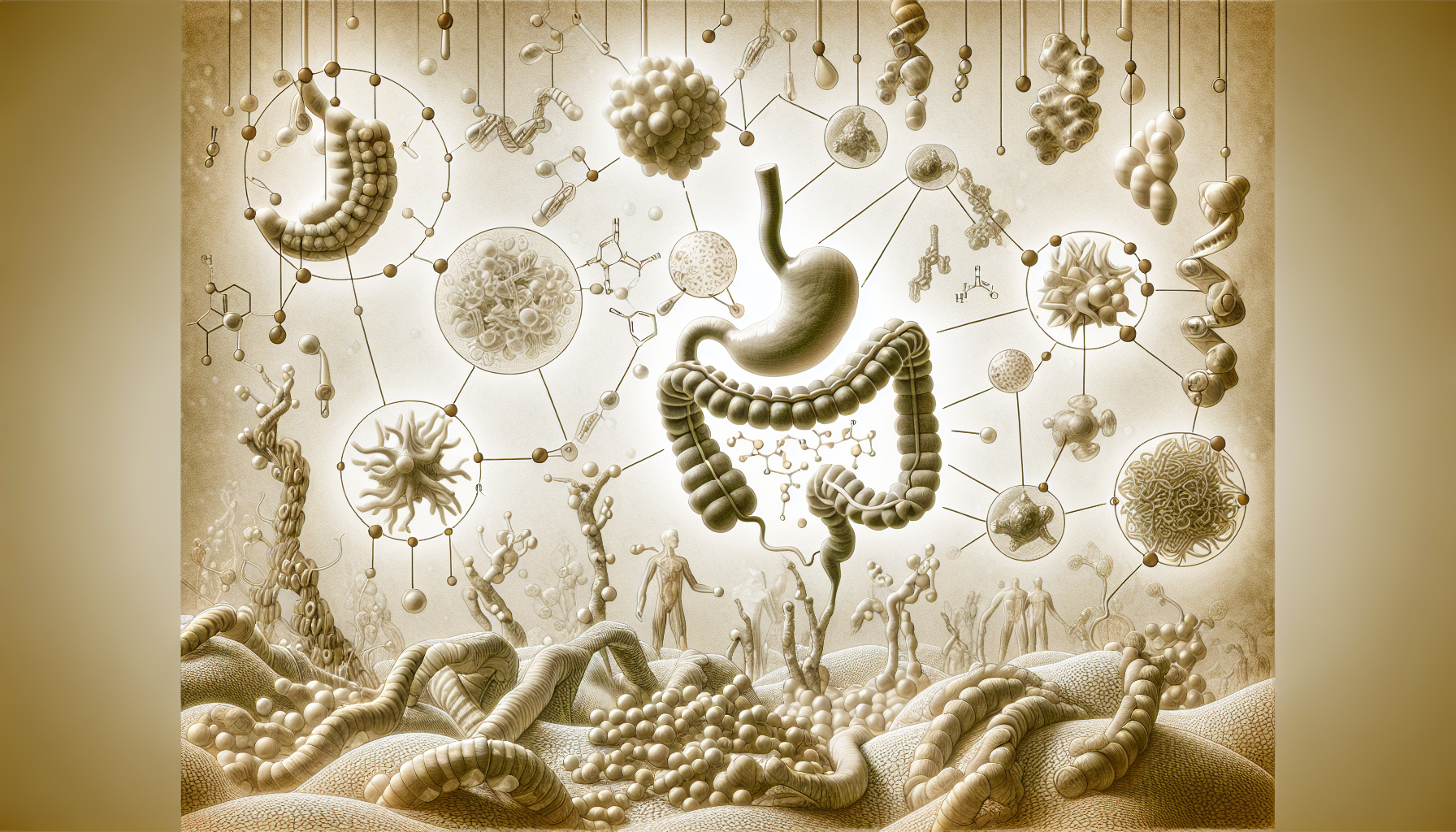
Understanding Digestive Enzymes
Digestive enzymes play a crucial role in the digestive process, aiding in the breakdown of food and facilitating nutrient absorption. These enzymes are essential for maintaining optimal gut health and overall well-being.
Role of Digestive Enzymes
Digestive enzymes speed up chemical reactions that convert nutrients into forms that the digestive tract can absorb. These enzymes are crucial for breaking down carbohydrates, proteins, and fats into smaller molecules that the body can use.
- Amylase: Produced in the pancreas, salivary glands, and small intestine, amylase breaks down starches into sugars, which are further processed into glucose (Healthline).
- Proteases: These enzymes, including pepsin in the stomach and other pancreatic enzymes, break down proteins into amino acids.
- Lipase: Produced in the pancreas and small intestine, lipase breaks down fats into fatty acids and glycerol. A specific type of lipase in breast milk helps infants digest fats more effectively (Healthline).
Digestive enzymes are found in saliva, released by organs like the pancreas, gallbladder, and liver, and stored by cells in the intestines (WebMD).
| Enzyme | Source | Function |
|---|---|---|
| Amylase | Pancreas, Salivary glands, Small intestine | Breaks down starches |
| Proteases | Stomach, Pancreas, Small intestine | Breaks down proteins |
| Lipase | Pancreas, Small intestine | Breaks down fats |
Natural Sources of Enzymes
Natural sources of digestive enzymes can be found in various fruits, vegetables, and other foods, which can aid in improving digestion. Incorporating these foods into your diet can help alleviate digestive issues and support gut health.
- Pineapple: Contains bromelain, a mixture of enzymes that digest proteins.
- Papaya: Rich in papain, an enzyme that also breaks down proteins.
- Avocado: Contains lipase, which helps digest fats.
- Bananas: Provide amylase and maltase, aiding in carbohydrate digestion.
- Ginger: Contains proteases and lipases, supporting protein and fat digestion.
If the body does not produce enough digestive enzymes, it can lead to difficulties in digesting food, resulting in symptoms like stomachaches, diarrhea, and gas (WebMD).
For more information on digestive enzymes and how they affect your health, visit our comprehensive guide on digestive enzymes.
By understanding the role of digestive enzymes and incorporating natural sources into your diet, you can better manage digestive issues and enhance your gut health.
Common Enzyme Deficiencies
Enzyme deficiencies can lead to various digestive issues, impacting daily life and overall gut health. Two common enzyme deficiencies are lactose intolerance and exocrine pancreatic insufficiency. Understanding these conditions can help in managing symptoms and improving digestive health.
Lactose Intolerance
Lactose intolerance is a condition where the small intestine doesn’t produce enough of the enzyme lactase to break down lactose, the natural sugar found in milk and dairy products (WebMD). This can result in discomfort and digestive symptoms such as gas, bloating, diarrhea, and stomach cramps after consuming lactose-containing foods.
| Symptom | Description |
|---|---|
| Gas | Excessive flatulence due to undigested lactose fermenting in the colon. |
| Bloating | Swelling in the abdomen caused by gas buildup. |
| Diarrhea | Frequent, watery stools due to lactose drawing water into the colon. |
| Stomach Cramps | Painful contractions in the abdomen triggered by fermentation of lactose. |
Lactose intolerance can be categorized into three types:
- Primary: The most common type, where lactase production declines with age.
- Secondary: Resulting from injury to the small intestine, such as from surgery, infection, or disease.
- Congenital or Developmental: A rare, inherited form where little to no lactase is produced from birth (WebMD).
For those experiencing lactose intolerance, enzyme supplements containing lactase can be beneficial to aid in the digestion of lactose. More information on enzyme supplements can be found in the section on digestive enzymes.
Exocrine Pancreatic Insufficiency
Exocrine pancreatic insufficiency (EPI) is a condition where the pancreas does not produce enough of the enzymes needed for the digestion of food, including lipase, amylase, and proteases. This deficiency can lead to malabsorption and nutritional deficiencies. Symptoms commonly associated with EPI include weight loss, steatorrhea (fatty stools), and diarrhea.
| Symptom | Description |
|---|---|
| Weight Loss | Unintentional weight loss due to poor nutrient absorption. |
| Steatorrhea | Oily, foul-smelling stools that float, indicating fat malabsorption. |
| Diarrhea | Frequent, loose stools due to undigested food passing through the digestive tract. |
EPI can be caused by several conditions, including chronic pancreatitis, cystic fibrosis, pancreatic cancer, and surgery involving the pancreas. Enzyme replacement therapy (ERT) is often prescribed to manage EPI, providing the necessary enzymes to aid in digestion. For more on enzyme therapies, explore our section on digestive enzymes.
Managing enzyme deficiencies involves a combination of lifestyle changes and dietary modifications, as well as enzyme supplementation when necessary. Learn more about effective strategies in the section on digestive enzymes.
Types of Digestive Enzymes
Understanding the types of digestive enzymes is essential for those looking to manage or improve their digestive health. The primary digestive enzymes are amylase, proteases, and lipase, each playing a unique role in breaking down different nutrients.
Amylase
Amylase is a critical enzyme for the digestion of carbohydrates. It is produced in both the salivary glands and the pancreas. Amylase breaks down starches into sugars, which are further processed into glucose, providing energy for the body.
| Source | Function |
|---|---|
| Salivary Glands | Begins carbohydrate digestion in the mouth |
| Pancreas | Continues carbohydrate digestion in the small intestine |
For those experiencing issues with carbohydrate digestion, amylase supplements can be a beneficial addition. To learn more about the different ways to support carbohydrate digestion, see our article on digestive enzymes.
Proteases
Proteases are enzymes that break down proteins into smaller peptides and amino acids. They are produced in the stomach, pancreas, and small intestine. The stomach enzyme pepsin and several pancreatic enzymes work together to digest proteins effectively (Healthline).
| Source | Function |
|---|---|
| Stomach (Pepsin) | Initiates protein digestion |
| Pancreas | Continues protein digestion in the small intestine |
Protease supplements can be particularly useful for individuals with protein digestion issues. For more insights on how to manage enzyme deficiencies and improve protein digestion, refer to our section on managing enzyme insufficiency.
Lipase
Lipase is essential for the digestion of fats. It is produced in the pancreas and the small intestine. Lipase breaks down fats into fatty acids and glycerol, which are then absorbed by the intestines. A specific type of lipase in breast milk also helps infants digest fat molecules more effectively.
| Source | Function |
|---|---|
| Pancreas | Breaks down dietary fats in the small intestine |
| Small Intestine | Assists in further fat digestion |
Supplementing with lipase can aid individuals struggling with fat digestion. For more details on how to incorporate enzyme supplements into your diet, check out our section on importance of enzyme supplementation.
By understanding the roles of different digestive enzymes, individuals can make informed decisions about their digestive health. Whether through natural sources or supplements, maintaining the right balance of enzymes is crucial for optimal digestion and overall well-being. For further information on enzyme supplements, visit our guide on digestive enzymes.
Importance of Enzyme Supplementation
Digestive enzymes play a crucial role in breaking down food and assisting in nutrient absorption. For adults experiencing digestive issues, enzyme supplementation can be an effective solution. There are two primary types of enzyme supplements: over-the-counter and prescription enzyme therapies.
Over-the-Counter Supplements
Over-the-counter (OTC) digestive enzyme supplements are readily available and can be beneficial for individuals with mild enzyme insufficiencies or specific digestive disorders. These supplements typically contain a blend of amylase, lipase, and protease, among other enzymes. They are designed to aid in the digestion of carbohydrates, fats, and proteins.
| Enzyme Type | Function | Common Sources |
|---|---|---|
| Amylase | Breaks down carbohydrates | Plants, molds, yeasts |
| Lipase | Breaks down fats | Pig pancreas, fungi |
| Protease | Breaks down proteins | Fruit, molds |
While OTC supplements are accessible, it’s important to note that they are not regulated by the FDA, which means their efficacy and safety might not be guaranteed (Johns Hopkins Medicine). Therefore, users should consult healthcare providers before starting any new supplement regimen. For more information on how these enzymes work, visit our page on digestive enzymes.
Prescription Enzyme Therapies
Prescription digestive enzyme therapies are often recommended for individuals with severe enzyme deficiencies, such as those caused by conditions like cystic fibrosis or pancreatitis. Pancreatic enzyme replacement therapy (PERT) is a common prescription therapy that helps individuals process food and absorb nutrients more effectively (Johns Hopkins Medicine).
| Therapy Type | Condition | Description |
|---|---|---|
| PERT | Cystic fibrosis, pancreatitis | Contains enzymes derived from pig pancreas |
Prescription enzymes can come in various forms, including tablets and capsules, with specific dosages tailored to the patient’s needs. These medications can be made from animal sources, such as pig pancreas, or derived from plants like molds, yeasts, and fungi (Healthline).
Before starting a prescription enzyme therapy, it’s crucial to consult with a healthcare provider to determine the appropriate treatment plan. For additional tips on managing enzyme insufficiency, check out our article on digestive enzymes.
Enzyme supplementation, whether OTC or prescription, can significantly improve digestive health and overall well-being. By understanding the options available and consulting with healthcare professionals, individuals can make informed decisions that best suit their digestive needs. For more on digestive health and the role of enzymes, visit our comprehensive guide on digestive enzymes.
Managing Enzyme Insufficiency
For individuals experiencing enzyme insufficiency, managing the condition often involves a combination of lifestyle changes and dietary modifications. These approaches can help alleviate symptoms and improve overall digestive health.
Lifestyle Changes
Lifestyle changes can play a significant role in managing enzyme insufficiency. For conditions like exocrine pancreatic insufficiency (EPI), adopting healthier habits can significantly improve symptoms (WebMD).
- Regular Exercise: Engaging in regular physical activity can stimulate digestive function and enhance the overall efficiency of the digestive system.
- Stress Management: High stress levels can negatively affect digestion. Techniques such as yoga, meditation, and deep-breathing exercises can help manage stress and promote better digestive health.
- Adequate Hydration: Drinking sufficient water throughout the day aids in digestion and nutrient absorption. It is recommended to consume at least 8 glasses of water daily.
Dietary Modifications
Dietary modifications are crucial for managing enzyme insufficiency effectively. By making informed food choices, individuals can support their digestive system and mitigate symptoms such as bloating and gas (Johns Hopkins Medicine).
- Balanced Diet: Consuming a balanced diet rich in whole foods, including fruits, vegetables, lean proteins, and whole grains, can support enzyme production and overall gut health.
- Small, Frequent Meals: Eating smaller, more frequent meals can help manage enzyme insufficiency by reducing the burden on the digestive system.
- Avoiding Trigger Foods: Certain foods can exacerbate digestive symptoms and should be avoided. Common trigger foods include high-fat and fried foods, processed foods, and sugary snacks.
| Food Type | Examples | Benefits |
|---|---|---|
| High-Enzyme Foods | Pineapple, Papaya | Naturally rich in digestive enzymes |
| Fiber-Rich Foods | Oats, Beans, Broccoli | Promotes digestive health and regularity |
| Lean Proteins | Chicken, Fish, Tofu | Easier to digest and less taxing on the digestive system |
For a more targeted approach, individuals may also consider enzyme supplementation. Over-the-counter digestive enzymes and prescription therapies can offer significant relief. Learn more about enzyme supplementation in our section on digestive enzymes.
By incorporating these lifestyle changes and dietary modifications, individuals can better manage their enzyme insufficiency and improve their overall digestive health. For additional tips and strategies, visit our article on digestive enzymes.
Considerations for Enzyme Supplements
When considering enzyme supplements to alleviate digestive issues, it is crucial to evaluate both their safety and effectiveness, as well as stay informed about future trends in enzyme products.
Safety and Effectiveness
Over-the-counter enzyme supplements, including pills, powders, and liquids, can potentially alleviate symptoms of digestive disorders. However, these supplements are not regulated by the FDA in the same manner as prescription medications (WebMD).
| Supplement Type | Regulation | Potential Benefits | Safety Concerns |
|---|---|---|---|
| Pills | Limited FDA Regulation | Alleviate symptoms of digestive disorders | Unknown side effects |
| Powders | Limited FDA Regulation | Aid in digestion of sugars in beans | Effectiveness needs more research |
| Liquids | Limited FDA Regulation | Help with lactose intolerance | Consult a doctor before use |
While some over-the-counter enzyme supplements have shown promise for conditions like lactose intolerance and the digestion of sugars found in beans, their overall safety and effectiveness require further research (Johns Hopkins Medicine). It is always advisable to consult a healthcare professional before incorporating any new supplement into your routine.
Future Trends in Enzyme Products
The future of enzyme supplements is evolving, with a growing interest in plant and bacteria-based enzyme products. Currently, most enzyme supplements are derived from animal sources, but researchers predict a shift towards more plant and bacteria-based products (WebMD).
| Source | Current Usage | Future Trends |
|---|---|---|
| Animal-Based | Commonly used | Expected to decrease |
| Plant-Based | Less common | Expected to increase |
| Bacteria-Based | Emerging | Expected to increase |
This shift is driven by the growing demand for vegan and vegetarian-friendly options, as well as the potential for plant and bacteria-based enzymes to offer more targeted and effective solutions for digestive issues.
For those interested in exploring enzyme supplementation, it is essential to stay informed about the latest research and trends. Learn more about managing enzyme insufficiency through dietary modifications and lifestyle changes to make well-informed decisions for your gut health.