
Understanding Prebiotics
What are Prebiotics?
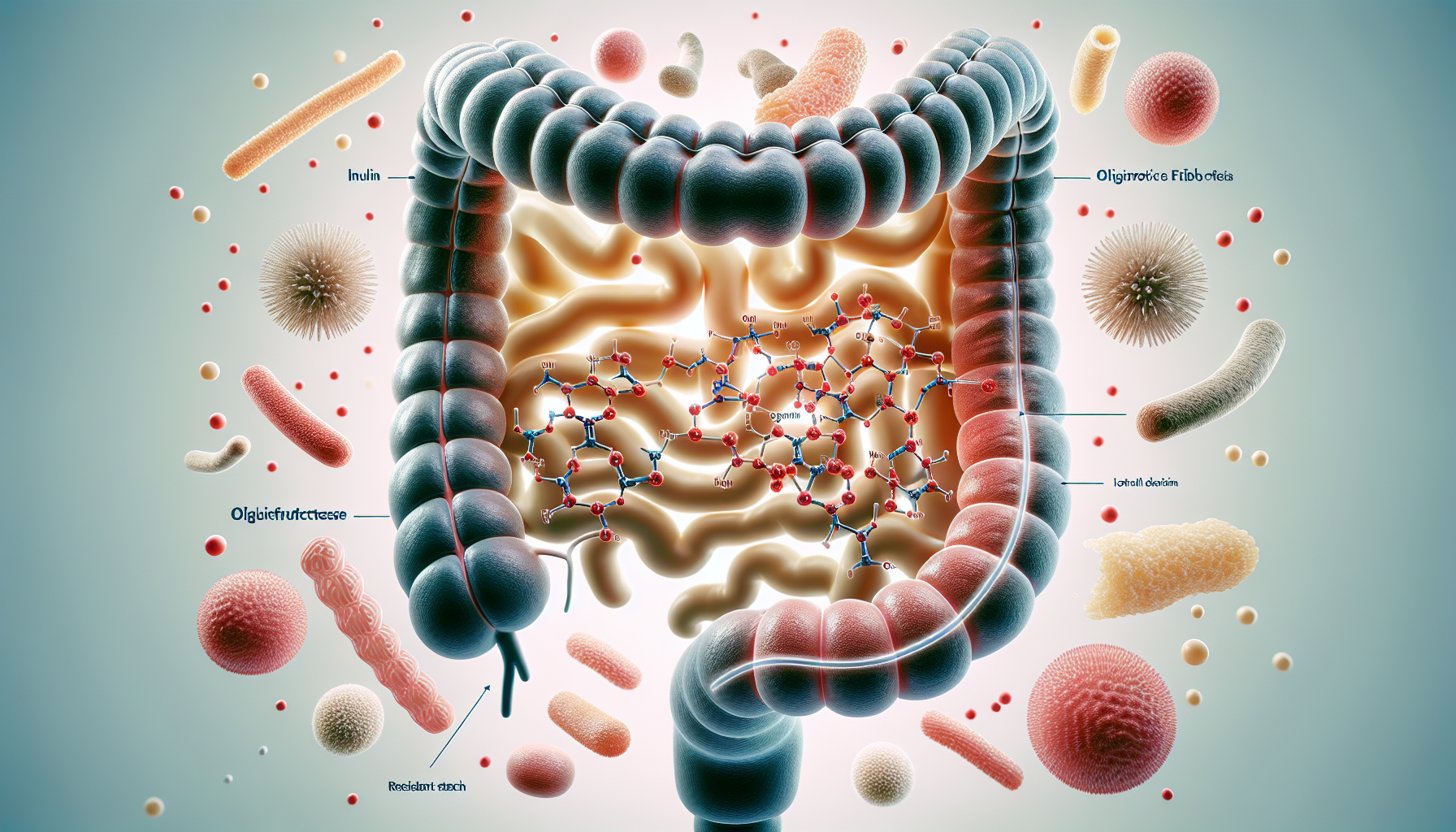
Prebiotics are specialized plant fibers that stimulate the growth of healthy bacteria in the digestive tract. These fibers are non-digestible and are fermented in the colon into short-chain fatty acids, potentially providing energy for the cells lining the gut wall, which is protective against colon cancer and other diseases.
Prebiotics are mainly found in fiber-rich foods, such as fruits, vegetables, and whole grains. Some common examples include garlic, asparagus, and bananas. These foods contain components that the human body cannot digest, allowing them to serve as nourishment for beneficial gut bacteria.
Difference Between Prebiotics and Probiotics
While prebiotics and probiotics both play essential roles in maintaining gut health, they are distinctly different. Prebiotics are a type of fiber that the human body cannot digest. They serve as food for probiotics, which are tiny living microorganisms, including bacteria and yeast (Medical News Today).
Here is a comparison between prebiotics and probiotics:
| Aspect | Prebiotics | Probiotics |
|---|---|---|
| Definition | Non-digestible fibers that stimulate growth of beneficial bacteria | Live microorganisms that provide health benefits |
| Source | Fiber-rich foods (e.g., garlic, asparagus, whole grains) | Fermented foods (e.g., yogurt, sauerkraut, tempeh) |
| Function | Serve as food for probiotics | Enhance the population of beneficial gut bacteria |
Prebiotics primarily consist of complex carbohydrates that the body cannot digest. They are fermented in the colon, providing nourishment for beneficial bacteria such as Lactobacillus and Bifidobacterium. Probiotics, on the other hand, are live bacteria and yeasts that can be found in fermented foods like yogurt and sauerkraut. They contribute to the balance of the gut microbiome, promoting overall digestive health.
For more information on the role of prebiotics in gut health and their benefits, you can explore our detailed article on prebiotics.
Importance of Prebiotics
Prebiotics play a crucial role in maintaining a healthy gut, offering numerous benefits that contribute to overall well-being. Here, we explore the benefits of prebiotics and their role in gut health.
Benefits of Prebiotics
Prebiotics are specialized plant fibers that stimulate the growth of beneficial bacteria in the digestive system. These fibers are non-digestible and are fermented in the colon into short-chain fatty acids, providing energy for the cells lining the gut wall. Some key benefits of prebiotics include:
-
Improved Digestive Health: Prebiotics can enhance digestion and alleviate symptoms like constipation. They help maintain a healthy balance of gut bacteria, which is essential for efficient digestive processes.
-
Enhanced Immune Function: Prebiotics strengthen the immune system by promoting the growth of beneficial bacteria that support immune responses.
-
Better Mineral Absorption: Prebiotics improve the absorption of essential minerals like calcium, contributing to bone health.
-
Reduced Inflammation: Prebiotics can help reduce inflammation, particularly in the intestines, and may assist in preventing conditions like eczema and allergies (WebMD).
-
Cholesterol Regulation: Prebiotics may help regulate cholesterol levels, thereby supporting cardiovascular health (Verywell Health).
Role of Prebiotics in Gut Health
Prebiotics play a pivotal role in maintaining a healthy gut by serving as food for probiotics. Probiotics are beneficial microorganisms that reside in the gut and contribute to various aspects of health. Prebiotics help sustain these probiotics, ensuring a balanced and thriving gut microbiome.
-
Stimulating Healthy Bacteria: Prebiotics promote the growth of healthy bacteria like Bifidobacteria and Lactobacilli in the colon. These bacteria are essential for breaking down food, absorbing nutrients, and maintaining a healthy gut environment.
-
Fermentation and Short-Chain Fatty Acids: When prebiotics are fermented in the colon, they produce short-chain fatty acids. These fatty acids provide energy for the cells lining the gut wall and have protective effects against colon cancer and other diseases.
-
Alleviating Antibiotic-Related Issues: Prebiotics can help mitigate the adverse effects of antibiotics on gut health by replenishing beneficial bacteria and restoring balance.
-
Supporting Overall Gut Health: By promoting a balanced gut microbiome, prebiotics contribute to better digestive health, enhanced immune function, and overall well-being.
For more information on how prebiotics can benefit your health, explore our articles on prebiotics and prebiotics.
Natural Sources of Prebiotics
Understanding the natural sources of prebiotics is essential for those looking to support their gut health. Prebiotics are fibers that aren’t digestible by the body but help beneficial bacteria grow in the gut.
Foods Rich in Prebiotic Fiber
Prebiotics are present in fiber-rich foods, such as vegetables, fruits, and whole grains. Incorporating these foods into your diet can help promote beneficial bacteria in the gut, boost the immune system, and maintain a healthy digestive system. According to WebMD, eating 3 to 5 grams of prebiotics a day can benefit gut health.
| Food Category | Examples |
|---|---|
| Vegetables | Dandelion greens, garlic, chicory root, onions, Jerusalem artichokes |
| Fruits | Bananas, apples |
| Grains | Whole oats |
Examples of Prebiotic-Rich Foods
Here are some common foods that are rich in prebiotics, which can be easily incorporated into your diet to support gut health.
- Dandelion Greens: High in inulin, a type of prebiotic fiber.
- Garlic: Contains fructo-oligosaccharides (FOS) that promote the growth of beneficial bacteria.
- Chicory Root: One of the best sources of inulin, which can help improve digestion.
- Onions: Rich in inulin and FOS, supporting gut bacteria.
- Jerusalem Artichokes: High in inulin, which aids in digestion and enhances gut health.
- Bananas: Contain small amounts of inulin and resistant starch, feeding good gut bacteria.
- Whole Oats: Rich in beta-glucan and resistant starch, both of which have prebiotic effects.
- Apples: Contain pectin, a type of soluble fiber with prebiotic properties.
Incorporating these foods into your daily meals can help maintain a healthy gut. For those interested in learning more, check out our articles on prebiotics and prebiotics.
Health Benefits of Prebiotics
Prebiotics play a significant role in maintaining optimal health, particularly in supporting the digestive system and enhancing immune function. Here’s an in-depth look at how prebiotics benefit both areas:
Digestive Health Benefits
Prebiotics are essential for promoting a healthy digestive system. By stimulating the growth of beneficial bacteria like bifidobacteria and lactobacilli in the colon, prebiotics help maintain a balanced gut microbiome. These non-digestible fibers are fermented in the colon into short-chain fatty acids, providing numerous digestive health benefits.
Key Benefits:
- Enhanced Digestion: Prebiotics improve overall digestive function by fostering a healthy gut environment. They can help alleviate constipation and regulate bowel movements.
- Protection Against Colon Cancer: The short-chain fatty acids produced during fermentation provide energy for the cells lining the gut wall, which can be protective against colon cancer.
- Reduced Antibiotic-Related Problems: Prebiotics can help mitigate the adverse effects of antibiotics on the gut microbiome, promoting faster recovery of beneficial bacteria.
| Digestive Health Benefits | Description |
|---|---|
| Enhanced Digestion | Improves overall digestive function |
| Colon Cancer Protection | Provides energy for gut wall cells |
| Reduced Antibiotic Issues | Mitigates adverse antibiotic effects |
Impact on Immune Function
Prebiotics also play a crucial role in supporting the immune system. By fostering the growth of good bacteria in the gut, prebiotics help protect against harmful bacteria and fungi, enhancing immune function (Healthline).
Key Benefits:
- Strengthened Gut Barrier: Prebiotics aid in forming a strong gut barrier by promoting the production of short-chain fatty acids, which are the main nutrient source for the cells lining the colon. This barrier keeps harmful substances, viruses, and bacteria out, reducing inflammation and potentially lowering the risk of diseases.
- Improved Immune Response: The presence of beneficial bacteria in the gut helps in modulating the immune response, ensuring that the body can effectively combat pathogens.
- Potential Mental Health Benefits: Some research suggests that a healthy gut microbiome, supported by prebiotics, may improve symptoms of depression and anxiety.
| Immune Function Benefits | Description |
|---|---|
| Strengthened Gut Barrier | Promotes short-chain fatty acids production |
| Enhanced Immune Response | Modulates immune functions |
| Mental Health Benefits | Potentially improves depression and anxiety symptoms |
For more information on prebiotics and their health benefits, visit our detailed articles on prebiotics. Understanding and incorporating prebiotic-rich foods into your diet can significantly improve both digestive and immune health.
Prebiotics and Disease Prevention
Reducing Inflammation
Prebiotics play a significant role in reducing inflammation within the body, particularly in the gut. For individuals suffering from inflammatory bowel diseases (IBD) like Crohn’s disease and ulcerative colitis, prebiotics can be beneficial. By fostering the growth of beneficial bacteria, prebiotics help ease gut inflammation and symptoms (Verywell Health).
Prebiotics allow gut bacteria to produce short-chain fatty acids such as butyrate, acetate, and propionate. These fatty acids serve as primary nutrient sources for the cells lining the colon, promoting a strong gut barrier. This barrier is crucial for keeping harmful substances, viruses, and bacteria out, thus reducing inflammation and potentially lowering the risk of cancer (Healthline).
Potential Role in Disease Prevention
Prebiotics not only improve gut health but also contribute to the prevention of various diseases. By promoting a balanced gut microbiome, prebiotics help in maintaining a strong and healthy immune system. This balanced composition of gut bacteria can potentially protect the body from various diseases and infections.
The production of short-chain fatty acids by gut bacteria, fueled by prebiotics, improves metabolic health. These fatty acids also play a role in enhancing the overall health of the digestive system. A healthy digestive system is essential for preventing a myriad of health issues, including metabolic disorders and certain types of cancers.
Additionally, prebiotics may help in preventing allergic diseases and conditions like eczema. By strengthening the gut health, prebiotics reduce inflammation and potentially prevent the onset of allergies and eczema symptoms.
For more information on how prebiotics can benefit your gut health, check out our detailed article on prebiotics.
Prebiotic Supplements and Considerations
When considering adding prebiotic supplements to your diet, it’s important to understand the recommended dosage and potential side effects to ensure safe and effective use.
Recommended Dosage of Prebiotic Supplements
Prebiotic supplements typically provide a daily dose of around four to five grams. This dosage can help support gut health by promoting the growth of beneficial bacteria. However, it’s essential to balance this with the overall recommended daily intake of fiber, which ranges from 25 grams to 38 grams for most adults.
| Supplement Type | Recommended Daily Dosage |
|---|---|
| Prebiotic Supplements | 4-5 grams |
| Total Fiber Intake | 25-38 grams |
For those looking to increase their prebiotic intake through natural sources, foods high in prebiotic fiber include garlic, onions, leeks, asparagus, bananas, barley, oats, apples, flaxseeds, and seaweed (Medical News Today).
Side Effects and Safety of Prebiotics
Most prebiotics can be safely consumed with minimal side effects. However, some individuals may experience mild symptoms such as gas, bloating, and stomach discomfort, especially when first introducing prebiotics into their diet. These side effects typically subside as the digestive system adapts to the increased intake.
| Potential Side Effects | Description |
|---|---|
| Gas | Mild increase in gas production |
| Bloating | Feeling of fullness or swelling in the abdomen |
| Stomach Discomfort | Mild stomach ache or cramps |
To minimize these side effects, it is advisable to start with a lower dose and gradually increase it. Monitoring your body’s response and adjusting the intake accordingly can help ensure a smooth transition. If you experience persistent or severe symptoms, consult a healthcare provider.
For more information on the health benefits and other considerations of prebiotics, visit our prebiotics page. Additionally, for tips on incorporating prebiotics into your diet, check out our guide on prebiotics.