
Understanding Prebiotics
What are Prebiotics?
Prebiotics are a type of dietary fiber that serve as nourishment for beneficial gut bacteria. Unlike other fibers, prebiotics specifically feed the “friendly” bacteria in the digestive system, promoting their growth and activity. These beneficial bacteria, including bifidobacteria and lactobacillus, play a crucial role in maintaining a healthy gut environment (Healthline).
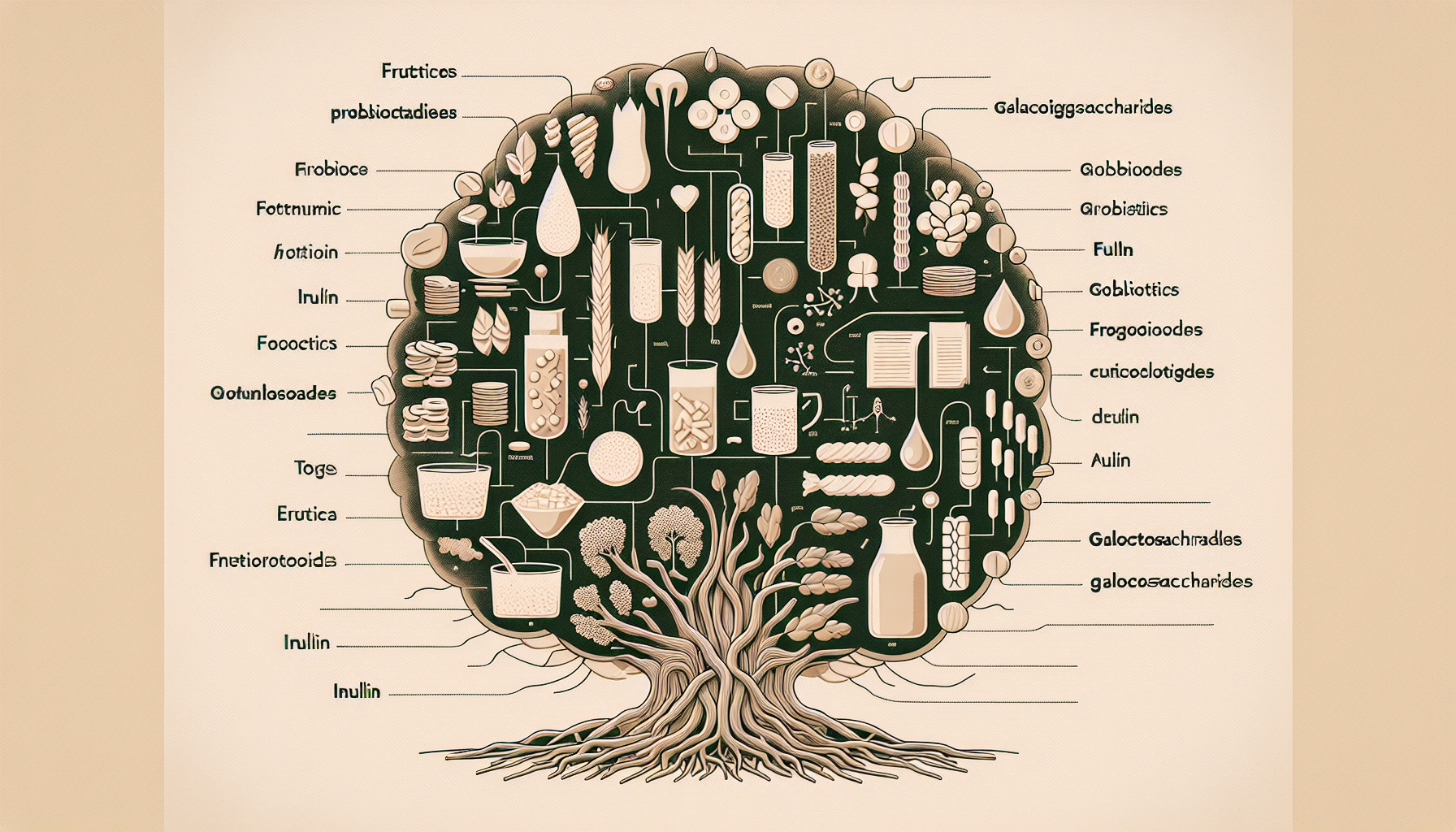
Prebiotics are naturally found in various foods, such as fruits, vegetables, and whole grains. They include complex carbohydrates like inulin, fructooligosaccharides (FOS), and galactooligosaccharides (GOS). When consumed, prebiotics are not digested by the human body but are instead fermented by gut bacteria, producing short-chain fatty acids (SCFAs) like butyrate, acetate, and propionate.
| Type of Prebiotic | Food Sources |
|---|---|
| Inulin | Garlic, onion, asparagus |
| Fructooligosaccharides (FOS) | Bananas, chicory root, Jerusalem artichoke |
| Galactooligosaccharides (GOS) | Legumes, beans, lentils |
Importance of Prebiotics in Gut Health
Prebiotics play a vital role in maintaining gut health by stimulating the growth of beneficial bacteria. This, in turn, has numerous positive effects on the digestive system and overall health. Here’s a closer look at why prebiotics are essential:
-
Enhanced Digestion: Prebiotics aid in the production of SCFAs, which provide energy to colon cells and promote the production of necessary mucus. This helps in smoother digestion and reduces the risk of constipation.
-
Improved Immune Function: By stimulating the growth of beneficial bacteria, prebiotics help strengthen the immune system. These bacteria enhance the production of SCFAs, which play a crucial role in modulating the intestinal barrier and regulating the immune response.
-
Disease Prevention: A balanced gut microbiome, supported by prebiotics, can reduce the likelihood of conditions such as Crohn’s disease, ulcerative colitis, and irritable bowel syndrome. Prebiotics help maintain this balance, thereby contributing to overall gut health (Lifespan).
-
Metabolic Health: Prebiotic fibers are fermented in the colon, producing SCFAs that can be absorbed into the bloodstream. These SCFAs have been linked to improved metabolic health and reduced inflammation (Healthline).
For more information on the health benefits of prebiotics, visit our section on prebiotics and immune function.
In summary, incorporating prebiotic-rich foods into your diet is a natural and effective way to support your gut health. For those who may need additional support, prebiotic supplements are also available. To explore more about prebiotics and their role in gut health, check out our comprehensive guide on prebiotics.
Natural Sources of Prebiotics
Prebiotics are high-fiber foods that serve as nourishment for probiotics, allowing them to function correctly. These dietary fibers are essential for maintaining gut health and overall well-being. This section explores various natural sources of prebiotics, including fruits, vegetables, and whole grains.
Fruits as Prebiotic Sources
Fruits are a rich source of prebiotics that can help support a healthy gut microbiome. Examples of prebiotic-rich fruits include apples, bananas, and berries. Apples, for instance, contain pectin, a soluble fiber with prebiotic benefits that increase the production of butyrate, a short-chain fatty acid that feeds beneficial gut bacteria and decreases harmful bacteria populations.
| Fruit | Prebiotic Fiber Content |
|---|---|
| Apples | High in pectin |
| Bananas | Contain inulin |
| Berries | Rich in various fibers |
Vegetables Rich in Prebiotics
Certain vegetables are excellent sources of prebiotics and can significantly contribute to gut health. Vegetables like garlic, onions, and asparagus are known for their high prebiotic fiber content. Garlic, for example, promotes the growth of beneficial Bifidobacteria in the gut and prevents the growth of disease-promoting bacteria.
| Vegetable | Prebiotic Fiber Content |
|---|---|
| Garlic | Contains inulin |
| Onions | High in fructooligosaccharides (FOS) |
| Asparagus | Rich in inulin |
Whole Grains and Prebiotics
Whole grains are another important source of prebiotics. Grains like oats, barley, and flaxseeds are known for their high fiber content and prebiotic benefits. Flaxseeds, in particular, promote healthy gut bacteria, encourage regular bowel movements, and contain phenolic antioxidants.
| Whole Grain | Prebiotic Fiber Content |
|---|---|
| Oats | Contains beta-glucan |
| Barley | Rich in beta-glucan |
| Flaxseeds | High in mucilage and lignans |
For adults looking to enhance their gut health, incorporating these natural sources of prebiotics into their diet can be highly beneficial. For more information on the benefits and importance of prebiotics, visit our detailed guide on prebiotics. Additionally, exploring the differences between prebiotics and probiotics and how they complement each other can provide further insights into maintaining optimal gut health.
Health Benefits of Prebiotics
Prebiotics offer numerous health benefits that extend beyond gut health. Here, we delve into their digestive benefits, impact on immune function, and role in disease prevention.
Digestive Benefits of Prebiotics
Prebiotics are essential for maintaining a healthy digestive system. They are types of fiber that feed friendly gut bacteria, enabling the production of nutrients for colon cells. These nutrients include short-chain fatty acids (SCFA) like butyrate, acetate, and propionate, which can be absorbed into the bloodstream and improve metabolic health.
| Nutrient | Function |
|---|---|
| Butyrate | Maintains gut health |
| Acetate | Improves metabolic health |
| Propionate | Supports colon cell function |
Prebiotics stimulate the growth of bifidobacteria and lactobacillus, which have beneficial effects such as improving digestion and easing constipation. For probiotics to work best, consuming prebiotic foods alongside is essential, leading to improved digestive function and overall health (Healthline).
Prebiotics and Immune Function
Prebiotics also play a crucial role in modulating the immune system. They help increase the production of SCFAs, which are important for regulating the intestinal barrier and immune response. By stimulating the growth of beneficial bacteria, prebiotics strengthen the immune system, making it more effective at warding off pathogens.
Prebiotics can help reduce inflammation and protect your body from disease. They increase “good” bacteria that help ward off harmful pathogens in your intestinal tract.
Prebiotics and Disease Prevention
Research indicates that prebiotics may have wide-ranging benefits beyond digestion, affecting various bodily systems and overall health. They are essential in maintaining the balance of the gut microbiome, which is crucial for preventing conditions such as Crohn’s disease, ulcerative colitis, and irritable bowel syndrome.
| Condition | Role of Prebiotics |
|---|---|
| Crohn’s Disease | Maintain gut microbiome balance |
| Ulcerative Colitis | Reduce inflammation |
| Irritable Bowel Syndrome | Promote gut health |
Prebiotics provide energy to colon cells, produce necessary mucus, and reduce inflammation, showcasing their comprehensive impact on health (Lifespan).
For more information on how prebiotics can improve your gut health, check out our articles on prebiotics, prebiotics, and prebiotics.
Prebiotics vs. Probiotics
Differentiating Prebiotics and Probiotics
Prebiotics and probiotics play crucial roles in maintaining gut health, but they function in distinct ways. Prebiotics are specialized plant fibers that the human body cannot digest. Instead, they serve as food for the beneficial bacteria in the gut, promoting their growth and activity. Common sources of prebiotics include fiber-rich foods like garlic, asparagus, and certain whole grains.
On the other hand, probiotics are live microorganisms that directly contribute to the population of good bacteria in the digestive system. These beneficial bacteria can be acquired through fermented foods like yogurt and kefir, as well as through probiotic supplements.
| Component | Function | Sources |
|---|---|---|
| Prebiotics | Stimulate growth of healthy gut bacteria | Garlic, Asparagus, Whole Grains |
| Probiotics | Add beneficial bacteria to the gut | Yogurt, Kefir, Probiotic Supplements |
Complementary Roles in Gut Health
Prebiotics and probiotics work in tandem to support a healthy gut microbiome. Probiotics, often referred to as “good bacteria,” need prebiotics to thrive. Prebiotics provide the necessary nourishment for these beneficial bacteria, helping them grow and maintain a balanced gut environment.
The symbiotic relationship between prebiotics and probiotics can be compared to an army and its supplies. Probiotics are the soldiers that fight off harmful bacteria and maintain gut health, while prebiotics are the essential supplies that keep the soldiers well-nourished and effective.
For those looking to improve their gut health, incorporating both prebiotics and probiotics into their diet is essential. Prebiotics can be found in various plant-based foods, while probiotics are available in fermented foods and supplements. To learn more about incorporating prebiotics into your diet, visit our page on prebiotics.
Maintaining a balanced gut microbiome is vital for overall health, and understanding the complementary roles of prebiotics and probiotics can help achieve this balance. For additional information on the health benefits of prebiotics and how they differ from probiotics, check out our related articles on prebiotics and prebiotics vs. probiotics.
Prebiotics in Supplements
For adults looking to support their gut health, prebiotic supplements can be an effective way to ensure they are getting enough of these beneficial fibers. Prebiotics in supplements can help promote helpful bacteria in the gut, boost the immune system, and maintain a healthy digestive system. Studies suggest that consuming 3 to 5 grams of prebiotics daily can benefit gut health.
Prebiotic Fiber Supplements
Prebiotic fiber supplements are designed to deliver specific types of fibers that act as food for beneficial gut bacteria. Common types of prebiotic fibers found in supplements include lactulose, inulin, and various oligosaccharides.
| Prebiotic Fiber | Function | Common Sources |
|---|---|---|
| Lactulose | Promotes beneficial bacteria | Milk, supplements |
| Inulin | Enhances calcium absorption | Chicory root, garlic, supplements |
| Oligosaccharides | Supports gut health | Legumes, supplements |
Prebiotic fiber supplements may benefit people with gut-related conditions, high blood sugar, and more. However, the research investigating the health effects of prebiotic supplements is more limited compared to probiotics (Healthline). For those who prefer to obtain prebiotics from natural sources, consider adding fruits and vegetables rich in prebiotics to your diet.
Synbiotic Products
Synbiotic products combine probiotics with prebiotic fibers, creating a synergistic effect that enhances the benefits of both components. Probiotic supplements often contain prebiotic fibers like lactulose and inulin alongside probiotic microorganisms.
| Synbiotic Product | Probiotic | Prebiotic |
|---|---|---|
| Synbiotic Supplement A | Lactobacillus acidophilus | Inulin |
| Synbiotic Supplement B | Bifidobacterium bifidum | Lactulose |
| Synbiotic Supplement C | Saccharomyces boulardii | Oligosaccharides |
While synbiotic products can be highly effective, some individuals may experience gas and bloating when consuming them. These individuals might prefer a supplement without prebiotics to avoid these side effects. It’s important to consider these factors when choosing a supplement to support your gut health.
By understanding the different types of prebiotic supplements available, individuals can make informed decisions to enhance their digestive health. For more information on the benefits of prebiotics, visit our prebiotics page.
Considerations and Side Effects
When incorporating prebiotics into one’s diet, it’s important to consider how they interact with various gut conditions and be aware of potential side effects.
Prebiotics and Gut Conditions
Prebiotics can play a significant role in managing certain gut conditions. For example, they are known to improve symptoms of constipation and irritable bowel syndrome (IBS) with constipation. Prebiotics like bifidobacteria can stimulate the growth of beneficial bacteria, increasing blood flow in the region and improving intestinal motility (News-Medical).
However, individuals with conditions like small intestinal bacterial overgrowth (SIBO) or IBS may experience worsened symptoms due to the high FODMAP content in some prebiotics. This is because prebiotics can promote the growth of bacteria that may exacerbate these conditions.
| Gut Condition | Potential Effect of Prebiotics |
|---|---|
| Constipation | Improvement |
| IBS with Constipation | Improvement |
| IBS (General) | Potential Worsening |
| SIBO | Potential Worsening |
| IBD (Crohn’s Disease, Ulcerative Colitis) | Potential Improvement |
Potential Side Effects of Prebiotics
While prebiotics offer numerous health benefits, they can also have side effects, especially when consumed in large quantities or by individuals with sensitive digestive systems.
Common side effects include:
- Bloating
- Gas
- Abdominal discomfort
These side effects occur because the fermentation process of prebiotics in the gut can produce gas and other byproducts. It’s recommended to start with a small amount of prebiotics and gradually increase the intake to allow the digestive system to adjust.
For those experiencing severe discomfort, it might be helpful to consult a healthcare provider to discuss appropriate dosages and potential alternatives. It’s also essential to pair prebiotics with adequate hydration and a balanced diet to minimize adverse effects.
For more information on managing gut health with prebiotics, visit our article on prebiotics.