
To learn more, please visit https://nutriblissprobiotics.com/blog/
In recent years, the trend towards plant-based diets and lifestyles has been gaining momentum, with more and more people recognizing the benefits of incorporating plant-based protein sources into their daily routines. One popular and convenient way to boost your protein intake is through plant-based protein powders. In this comprehensive guide, we will explore everything you need to know about plant-based protein powder, from understanding its benefits and comparing it to animal-based options, to selecting the right product for your needs and incorporating it into your diet. Join us on this journey to discover the power of plant-based protein powder for your health, the environment, and your overall well-being.
Understanding Plant-Based Protein Powder
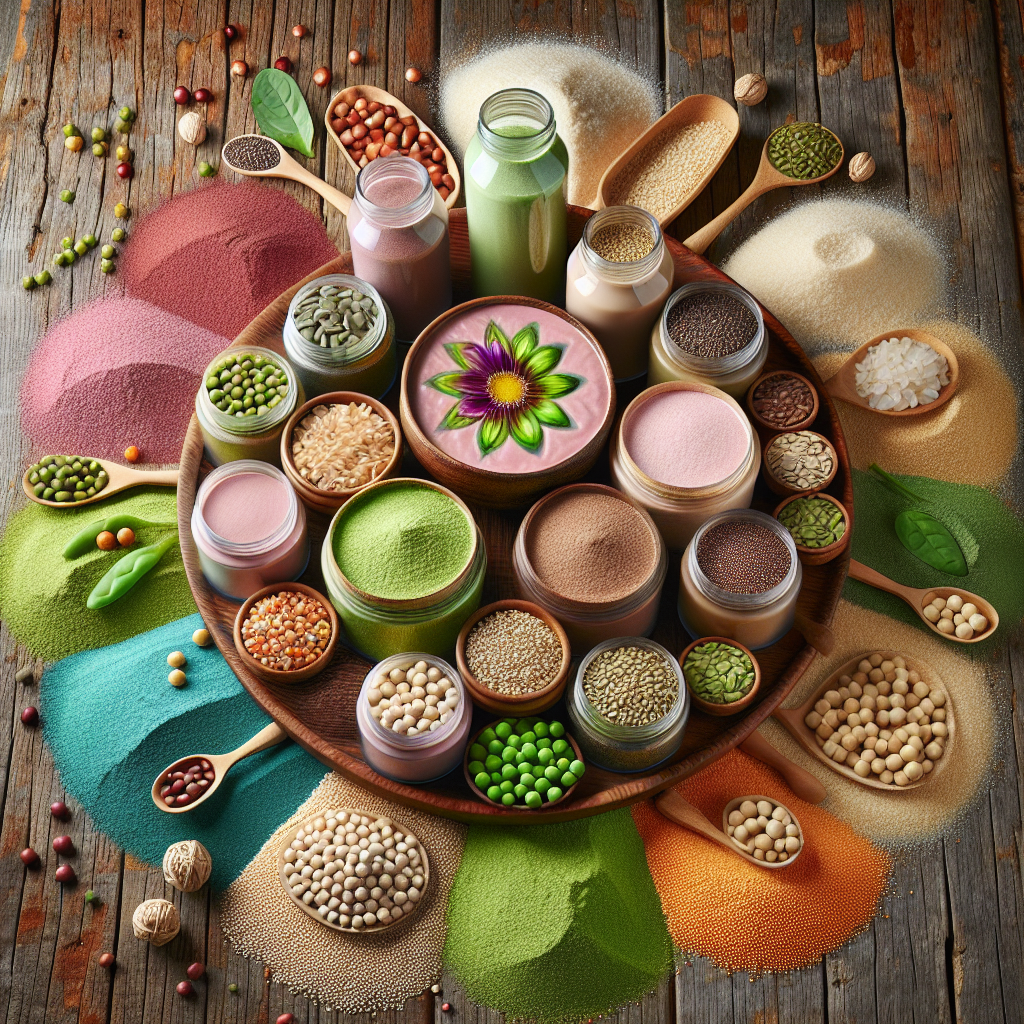
Plant-based protein powder is a dietary supplement derived from various plant sources, such as peas, rice, hemp, soy, and other legumes. It is a concentrated form of protein that provides a convenient and easily digestible way to increase your protein intake, especially for those following a plant-based or vegetarian diet.
What is Plant-Based Protein Powder?
Plant-based protein powder is typically made by extracting protein from plant sources and processing it into a powder form. The proteins are isolated through various methods such as mechanical extraction, enzymatic hydrolysis, or fermentation. The resulting powder is then often flavored and sweetened for better taste and palatability.
How is Plant-Based Protein Powder Different from Animal-Based Protein Powder?
One of the main differences between plant-based and animal-based protein powders is the source of protein. Animal-based protein powders, such as whey or casein, are derived from milk or eggs. Plant-based protein powders, on the other hand, are derived solely from plant sources.
Another difference lies in the nutrient profile. Plant-based protein powders are typically lower in saturated fat and cholesterol compared to animal-based protein powders. They also tend to be higher in fiber, vitamins, minerals, and beneficial phytochemicals found in plants.
What are the Benefits of Plant-Based Protein Powder?
There are several benefits to incorporating plant-based protein powder into your diet:
- Complete Protein: Many plant-based protein powders are considered complete proteins, meaning they contain all the essential amino acids that our bodies need to function properly.
- Easily Digestible: Plant-based protein powders are generally easier to digest compared to some animal-based protein powders, making them a suitable option for individuals with digestive sensitivities.
- Allergen-Friendly: Plant-based protein powders are free from common allergens such as dairy, lactose, and gluten, making them a suitable choice for those with dietary restrictions or allergies.
- Sustainable and Environmentally Friendly: Plant-based protein powders have a lower environmental impact compared to animal-based protein powders, as they require fewer resources and contribute less to greenhouse gas emissions.
Who Can Benefit from Plant-Based Protein Powder?
Plant-based protein powder is not limited to those following a vegan or vegetarian lifestyle. It can benefit a wide range of individuals, including:
- Vegans and Vegetarians: Plant-based protein powder offers a convenient and effective way for vegans and vegetarians to meet their protein needs without consuming animal products.
- Athletes and Fitness Enthusiasts: Protein is essential for muscle repair and growth. Plant-based protein powders can be an excellent choice for athletes and fitness enthusiasts looking to enhance their performance and support their recovery.
- Individuals with Dietary Restrictions: Plant-based protein powders are a great alternative for individuals with lactose intolerance, dairy allergies, or gluten sensitivity, as they are free from these common allergens.
- Those Seeking Weight Management: Protein plays a crucial role in satiety and can help with weight management. Plant-based protein powders can be a valuable tool in supporting a healthy weight loss or weight maintenance journey.
Now that we have a better understanding of plant-based protein powder and its benefits, let’s delve deeper into why you should choose plant-based protein powder over animal-based alternatives in the next section.
Why Choose Plant-Based Protein Powder
Choosing plant-based protein powder over animal-based alternatives can offer a multitude of benefits for your health, the environment, and even ethical considerations. In this section, we will explore the various reasons why plant-based protein powder is a preferred choice for many individuals.
Benefits of Plant-Based Protein Powder
- Health Benefits: Plant-based protein powders are often lower in saturated fats and cholesterol compared to animal-based options. They are also rich in fiber, vitamins, minerals, and beneficial phytochemicals found in plants. This nutrient-dense profile can contribute to overall health and well-being.
- Digestive Friendly: Many individuals experience digestive discomfort after consuming animal-based protein powders, especially if they have lactose intolerance or sensitive stomachs. Plant-based protein powders are typically easier to digest and can be a better option for those with digestive sensitivities.
- Allergen-Free: Plant-based protein powders are free from common allergens such as dairy, lactose, and gluten. This makes them suitable for individuals with dietary restrictions or allergies, providing an alternative protein source without triggering adverse reactions.
- Sustainable and Environmentally Friendly: The production of plant-based protein powders generally has a lower environmental impact compared to animal-based options. Plant proteins require fewer resources, land, and water, and contribute less to greenhouse gas emissions. By choosing plant-based protein powders, you can make a positive impact on the environment.
Comparison to Animal-Based Protein Powder
- Source of Protein: Plant-based protein powders derive their protein from plant sources like peas, rice, hemp, soy, and legumes. In contrast, animal-based protein powders come from milk, eggs, or meat sources.
- Nutrient Composition: Plant-based protein powders often contain a variety of essential nutrients, including fiber, antioxidants, and phytonutrients. Animal-based protein powders may have higher amounts of certain amino acids, but they can also be higher in saturated fats, cholesterol, and lower in fiber.
- Digestibility: Plant-based protein powders are generally more easily digestible, especially for individuals with lactose intolerance or digestive sensitivities. Animal-based protein powders, such as whey, may cause digestive issues in some individuals.
- Environmental Impact: Animal agriculture is a significant contributor to greenhouse gas emissions, deforestation, and water pollution. Opting for plant-based protein powders helps reduce the environmental footprint associated with animal agriculture and supports a more sustainable food system.
Ideal Candidates for Plant-Based Protein
Plant-based protein powders can be suitable for a wide range of individuals, including:
- Vegans and Vegetarians: Plant-based protein powders offer a convenient and effective way for vegans and vegetarians to meet their protein needs without consuming animal products.
- Individuals with Allergies or Dietary Restrictions: Plant-based protein powders are free from common allergens like dairy, lactose, and gluten, making them a safe and suitable choice for those with food allergies or dietary restrictions.
- Athletes and Fitness Enthusiasts: Plant-based protein powders provide a source of high-quality protein that can support muscle repair, recovery, and athletic performance.
- Health-Conscious Individuals: Those seeking to improve their overall health and well-being can benefit from the nutrient-dense profile of plant-based protein powders, which can contribute to a balanced and nutritious diet.
Now that we understand the benefits of plant-based protein powder and its suitability for various individuals, let’s move on to the next section where we will explore how to select the right plant-based protein powder for your needs.
How to Select the Right Plant-Based Protein Powder
Choosing the right plant-based protein powder can be overwhelming, given the numerous options available on the market. In this section, we will guide you through the process of selecting the best plant-based protein powder for your needs. We will explore factors such as identifying quality ingredients, understanding different types of plant proteins, and choosing the right product that aligns with your goals and preferences.
Identifying Quality Ingredients
- Organic Certification: Consider opting for plant-based protein powders that are certified organic. Organic certification ensures that the product is free from synthetic pesticides, herbicides, and genetically modified organisms (GMOs).
- Non-GMO Project Verified: Look for plant-based protein powders that are verified by the Non-GMO Project. This certification ensures that the product does not contain genetically modified ingredients.
- Clean Ingredients: Read the ingredient list carefully and avoid protein powders that contain artificial additives, sweeteners, or excessive amounts of sugar. Look for products with minimal, recognizable ingredients.
- Allergen Considerations: If you have specific allergies or dietary restrictions, ensure that the protein powder is free from allergens such as dairy, gluten, soy, or any other ingredients that may trigger adverse reactions.
Understanding Different Types of Plant Proteins
- Pea Protein: Pea protein is derived from yellow peas and is known for its high protein content and amino acid profile. It is easily digestible and often considered a complete protein.
- Rice Protein: Rice protein is derived from brown or white rice. It is hypoallergenic, easily digestible, and often suitable for individuals with dietary restrictions or sensitivities.
- Hemp Protein: Hemp protein is derived from the seeds of the hemp plant. It is a good source of omega-3 fatty acids, fiber, and essential amino acids. Hemp protein is well-tolerated and offers a complete protein profile.
- Soy Protein: Soy protein is derived from soybeans and is one of the few plant-based proteins that provide all essential amino acids. It is highly digestible and has been extensively studied for its health benefits.
Choosing the Right Product for Your Needs
- Protein Content: Consider the protein content per serving of the protein powder. Look for products that offer around 20-25 grams of protein per serving.
- Taste and Texture: Try samples or read reviews to get an idea of the taste and texture of the protein powder. Some may have a chalky or gritty texture, while others may have a smoother consistency.
- Flavors and Sweeteners: Consider your preference for flavors and sweeteners. Some protein powders come in a variety of flavors, while others may be unsweetened or use natural sweeteners like stevia or monk fruit.
- Additional Ingredients: Determine if you are looking for additional ingredients in your protein powder, such as added vitamins, minerals, or specific functional ingredients like probiotics or adaptogens.
By considering these factors, you can make an informed decision and select a plant-based protein powder that suits your dietary needs, taste preferences, and health goals. In the next section, we will discuss how to incorporate plant-based protein powder into your diet with delicious and nutritious recipes.
How to Incorporate Plant-Based Protein Powder into Your Diet
Incorporating plant-based protein powder into your diet is a versatile and convenient way to boost your protein intake. In this section, we will explore various methods of incorporating plant-based protein powder, including delicious and nutritious recipes, optimal timing for consumption, and dosage considerations for optimal results.
Delicious and Nutritious Recipes
- Smoothies and Shakes: Blend plant-based protein powder with fruits, vegetables, and your choice of liquid (such as almond milk or coconut water) to create a delicious and nutritious smoothie or shake. Customize with additional ingredients like nut butter, seeds, or greens for added flavor and nutrients.
- Protein Pancakes or Waffles: Add plant-based protein powder to your pancake or waffle batter for a protein-packed breakfast. Top with your favorite fruits, nuts, or natural sweeteners for a satisfying meal.
- Energy Balls or Bars: Create homemade energy balls or bars by combining plant-based protein powder with nuts, seeds, dried fruits, and other ingredients. These portable snacks are perfect for on-the-go nourishment.
- Protein Oats: Upgrade your morning bowl of oats by stirring in a scoop of plant-based protein powder. Top with fruits, nuts, or a drizzle of nut butter for a balanced and filling breakfast.
When to Consume for Optimal Results
- Pre-Workout: Consuming plant-based protein powder before your workout can provide your muscles with the necessary amino acids for fuel and recovery.
- Post-Workout: Consuming plant-based protein powder within 30 minutes to an hour after your workout can help replenish muscle glycogen stores and support muscle repair and growth.
- Between Meals: Plant-based protein powder can be consumed between meals as a snack to keep you satiated and provide a steady supply of amino acids throughout the day.
- Bedtime Snack: Consuming a serving of plant-based protein powder before bed can help support muscle recovery and prevent muscle breakdown during the overnight fasting period.
Dosage and Safety Precautions
- Recommended Dosage: Follow the recommended serving size provided on the packaging of your plant-based protein powder. Typically, one to two scoops (around 20-40 grams of protein) per day is a common dosage. However, individual protein requirements may vary, so consult with a healthcare professional if you are unsure.
- Hydration: Remember to drink an adequate amount of water when consuming plant-based protein powder to ensure proper digestion and absorption.
- Allergies and Sensitivities: If you have any known allergies or sensitivities to specific plant ingredients, carefully read the labels and choose a protein powder that is free from those allergens.
- Quality and Storage: Store your plant-based protein powder in a cool, dry place to maintain its freshness and quality. Check for expiration dates and discard any expired products.
By incorporating plant-based protein powder into your diet through these methods and following the recommended dosage and safety precautions, you can effectively increase your protein intake and support your overall health and fitness goals. In the next section, we will explore the impact of plant-based protein powder on health and the environment.
The Impact of Plant-Based Protein Powder on Health and Environment
Plant-based protein powder not only has a positive impact on our health but also plays a crucial role in promoting environmental sustainability. In this section, we will explore the various health benefits and potential risks of consuming plant-based protein powder, as well as the environmental impact of its production. Additionally, we will delve into the sustainable and ethical considerations surrounding plant-based protein powder.
Health Benefits and Potential Risks
- Health Benefits: Plant-based protein powder offers numerous health benefits, including supporting muscle growth and repair, promoting satiety, aiding weight management, and providing essential nutrients found in plants. It can also be a valuable source of protein for individuals with specific dietary restrictions or allergies.
- Potential Risks: While plant-based protein powders are generally safe for consumption, it’s important to be aware of potential risks. Some individuals may experience digestive discomfort, bloating, or allergies to specific plant proteins. It’s important to choose high-quality and reputable brands, follow recommended dosages, and consult with a healthcare professional if you have any concerns.
Environmental Impact of Plant-Based Protein Production
- Land and Resource Use: Plant-based protein production requires significantly less land, water, and other resources compared to animal-based protein production. This reduces deforestation, water usage, and overall environmental strain.
- Greenhouse Gas Emissions: Animal agriculture is a major contributor to greenhouse gas emissions. By choosing plant-based protein powder, you can help reduce the carbon footprint associated with animal agriculture, mitigating climate change.
- Water Pollution: Animal agriculture can lead to water pollution through the discharge of animal waste and excess nutrients. Plant-based protein production has a lower risk of water pollution, contributing to cleaner water systems.
Sustainable and Ethical Considerations
- Sustainable Agriculture: Many plant-based protein powders are made from crops grown using sustainable agricultural practices. This includes organic farming, regenerative agriculture, and reducing chemical inputs, benefiting soil health and biodiversity.
- Ethical Treatment of Animals: Opting for plant-based protein powder supports ethical practices by avoiding the use of animal products. This aligns with the principles of animal welfare and reducing animal suffering.
- Supporting Local and Fair Trade: Choose plant-based protein powders that prioritize fair trade practices and support local farmers and communities. This helps create a more equitable and sustainable food system.
By understanding the impact of plant-based protein powder on both our health and the environment, we can make informed choices that align with our values and contribute to a more sustainable and ethical future. Whether you choose plant-based protein powder for health reasons, environmental concerns, or ethical considerations, incorporating it into your diet can have a positive impact on both yourself and the planet.
In conclusion, this comprehensive guide has provided you with a thorough understanding of plant-based protein powder. From its benefits and comparison to animal-based options, to selecting the right product for your needs and incorporating it into your diet, you now have the knowledge to make informed decisions about plant-based protein powder. Embrace the power of plants and enjoy the many benefits that plant-based protein powder can offer.