
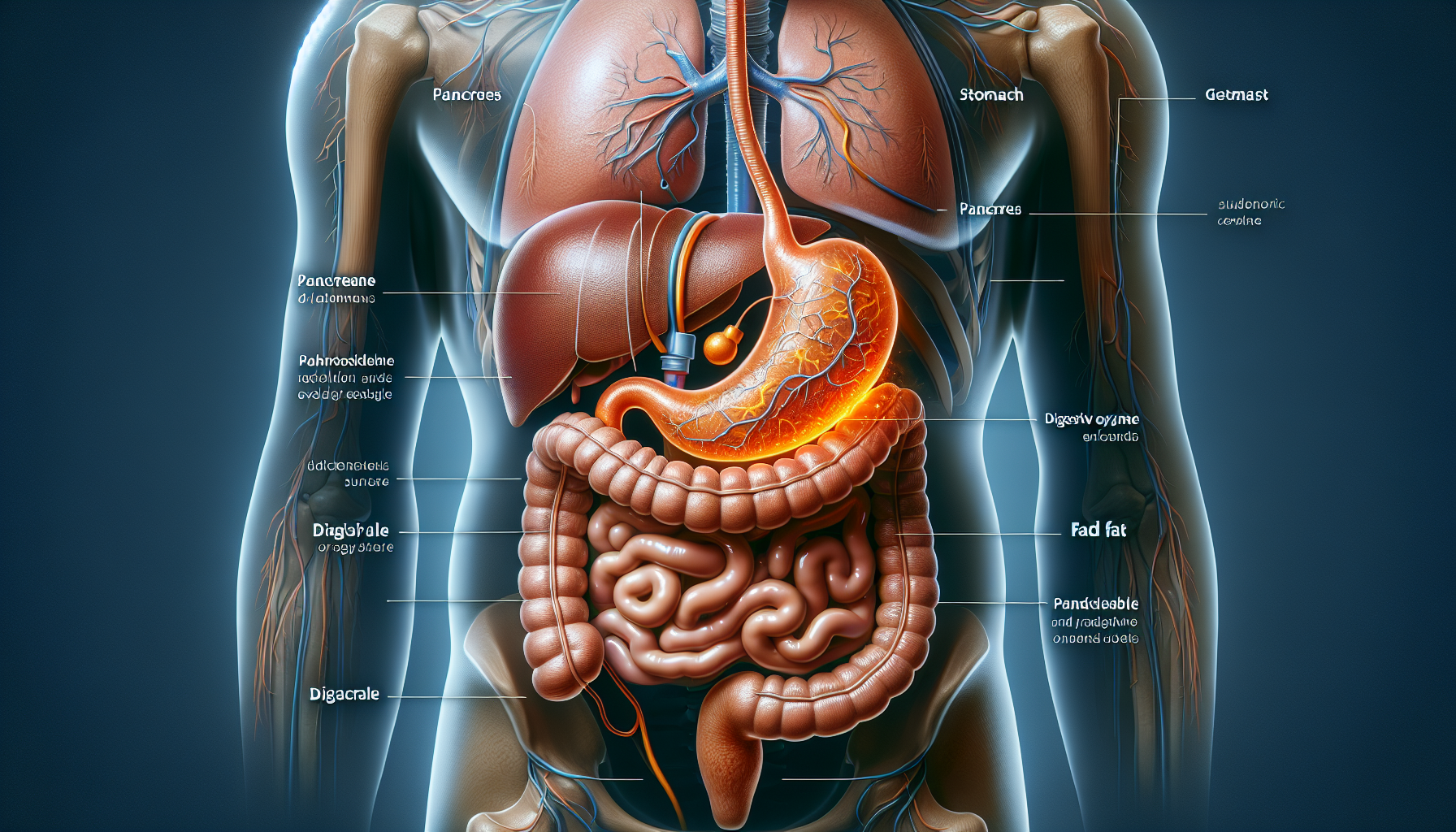
The digestion of fats is an intricate process that involves a symphony of organs and enzymes working in harmony, with the pancreas playing a pivotal role. Often overlooked in discussions about digestive health, this process is crucial for the extraction of vital nutrients and the maintenance of overall well-being. Not only does the breakdown of fats enable the body to absorb essential fatty acids and fat-soluble vitamins, but it also influences cholesterol levels and plays a key role in the management of diseases such as diabetes and pancreatitis. Understanding how the pancreas and other organs collaborate to digest fats sheds light on the complexity of the human digestive system and highlights the importance of maintaining pancreatic health.
This article delves into the step-by-step process of fat digestion, from the moment fats enter the mouth to their final absorption. It highlights the roles of crucial enzymes, such as lipase, protease, and amylase, which are secreted by the pancreas and other organs to break down triglycerides into absorbable units. Additionally, the significance of bile, produced by the liver and stored in the gallbladder, in emulsifying fats to prepare them for enzymatic digestion is examined. The intricate role of the pancreas, not only in secreting digestive enzymes but also in regulating blood sugar levels through insulin and glucagon production, is explored in depth. The article also addresses common issues that can impair fat digestion, such as gallstones and pancreatic cancer, and outlines dietary recommendations and solutions for enhancing digestive health. Through this comprehensive overview, readers will gain insight into the critical role that proper fat digestion plays in maintaining health and preventing disease.
Step-by-Step Fat Digestion Process
The digestion of fats begins in the mouth, where the enzyme lingual lipase and a small amount of phospholipid as an emulsifier initiate the process. Chewing and the action of emulsifiers enable digestive enzymes to break down the lipids into tiny droplets, separating them from the watery components .
In the stomach, gastric lipase starts to break down triacylglycerols into diglycerides and fatty acids. Within two to four hours after eating, roughly 30 percent of the triacylglycerols are converted. The stomach’s churning and contractions help to disperse the fat molecules, while the diglycerides act as further emulsifiers .
As stomach contents enter the small intestine, bile from the liver and gallbladder acts as an emulsifier, attracting and holding onto fat while simultaneously being attracted to and held on to by water. This increases the surface area of lipids over a thousand-fold, making them more accessible to digestive enzymes .
Pancreatic lipase breaks down the fats into free fatty acids and monoglycerides in the small intestine. Bile salts then envelop these components to form micelles, which have a fatty acid core with a water-soluble exterior, allowing efficient transportation to the intestinal microvillus .
Inside the intestinal cells, the monoglycerides and fatty acids reassemble into triacylglycerols. These, along with cholesterol and phospholipids, form lipoproteins called chylomicrons when joined with a protein carrier. Chylomicrons have an inner core primarily made up of triacylglycerols and cholesterol esters, with an outer envelope of phospholipids, proteins, and cholesterol .
The chylomicrons enter the lymphatic system and are released into the bloodstream via the jugular vein in the neck, transporting the fats through the body’s water-based environment to specific destinations such as the liver and other tissues .
Cholesterol absorption is aided by an increase in dietary fat components and hindered by high fiber content. Foods high in fiber, such as fresh fruits, vegetables, and oats, can bind bile salts and cholesterol, preventing their absorption and carrying them out of the colon .
If fats are not absorbed properly, as seen in some medical conditions like Crohn’s disease and cystic fibrosis, a person’s stool will contain high amounts of fat, leading to a condition known as steatorrhea .
Enzymes Involved in Breaking Down Fat
The pancreas plays a crucial role in the digestion of fats by producing essential enzymes that break down lipids into smaller, absorbable components. The main digestive enzymes secreted by the pancreas include lipase, protease, and amylase .
Production of Lipase
Lipase, the primary enzyme responsible for fat digestion, is produced in the pancreas. This enzyme works in conjunction with bile, which is produced by the liver, to break down fat in the diet. Without sufficient lipase, the body may struggle to absorb fat and important fat-soluble vitamins (A, D, E, and K), leading to symptoms such as diarrhea and fatty bowel movements .
In addition to lipase, the pancreas also secretes protease, which breaks down proteins, and amylase, which helps break down starches into sugar. Protease plays a role in protecting the body from harmful bacteria and yeast in the intestines, while amylase aids in the digestion of carbohydrates .
Function of Pancreatic Enzymes
The pancreas is considered the “powerhouse” of digestion, producing the most important digestive enzymes that break down carbohydrates, proteins, and fats . These enzymes are released into the small intestine, where they perform their specific functions:
- Lipase breaks down fats into free fatty acids and monoglycerides, which are then enveloped by bile salts to form micelles. This process increases the surface area of lipids, making them more accessible to digestive enzymes .
- Protease breaks down proteins into single amino acids, which can be absorbed by the body. Undigested proteins can cause allergic reactions in some individuals .
- Amylase breaks down complex carbohydrates into simpler sugars, which the body can use for energy. Insufficient amylase may lead to diarrhea from undigested carbohydrates .
Pancreatic enzyme insufficiency can occur due to various conditions, such as chronic pancreatitis, cystic fibrosis, gastrointestinal surgeries, and pancreatic cancer. In these cases, individuals may require pancreatic enzyme replacement therapy (PERT) to aid in the digestion and absorption of nutrients .
How Bile Aids in Fat Digestion
Bile, a fluid produced and released by the liver and stored in the gallbladder, plays a crucial role in the digestion of fats . It contains mostly cholesterol, bile acids (also called bile salts), and bilirubin, along with water, body salts, and metals like copper .
Bile Production
The liver produces bile, which is then stored and concentrated in the gallbladder. When food containing fat enters the duodenum, the gallbladder contracts, releasing bile into the small intestine through the common bile duct . The biliary system, which includes the liver, gallbladder, and bile ducts, is responsible for creating, transporting, storing, and releasing bile into the duodenum for digestion .
Emulsification Process
Bile aids in the digestion of fats through a process called emulsification. Bile salts, the main components of bile, break down large fat globules into smaller droplets, increasing the surface area for digestive enzymes to work on . This process of breaking down complex fat molecules into smaller, more easily digestible ones is known as emulsification .
The bile salts have a hydrophilic (water-loving) and a hydrophobic (fat-loving) side, allowing them to interact with both water and fat molecules. They surround the fat droplets, with their hydrophobic side facing the fat and their hydrophilic side facing the watery environment of the small intestine . This action breaks the fat into smaller droplets, creating a stable emulsion.
The emulsification of fats is significant because it allows the pancreatic enzyme lipase to efficiently break down the fats into fatty acids and monoglycerides, which can then be easily absorbed by the small intestine . Without proper emulsification, the digestion and absorption of fats would be greatly impaired, potentially leading to malnutrition and other health issues.
In summary, bile plays a vital role in fat digestion by emulsifying large fat molecules into smaller droplets, enabling digestive enzymes to break them down further for absorption. This process is essential for the proper utilization of dietary fats and the maintenance of overall health.
Role of the Pancreas in Digesting Fats
The pancreas plays a crucial role in the digestion of fats by producing pancreatic juices called enzymes. These enzymes, including lipase, protease, and amylase, break down sugars, fats, and starches . The pancreas makes about 8 ounces of digestive juice filled with enzymes each day, which travel through ducts and empty into the duodenum, the upper part of the small intestine .
Lipase, the primary enzyme responsible for fat digestion, works together with bile produced by the liver to break down fat in the diet. If there is insufficient lipase, the body may have trouble absorbing fat and important fat-soluble vitamins (A, D, E, K), leading to symptoms such as diarrhea and fatty bowel movements .
In addition to producing digestive enzymes, the pancreas also helps regulate blood sugar levels and appetite by releasing hormones such as insulin and glucagon into the bloodstream . Insulin, made by beta cells in the pancreas, helps the body use sugar for energy, while glucagon, produced by alpha cells, helps raise blood sugar levels when they get too low .
Common pancreatic problems, such as diabetes, pancreatitis, and pancreatic cancer, can affect digestion. In diabetes, the lack of insulin or the body’s inability to use it properly can lead to gastroparesis, a reduction in the motor function of the digestive system . Pancreatitis, an inflammation of the pancreas, can cause digestive enzymes to attack the pancreas, leading to severe abdominal pain and impaired digestion due to the unavailability of enzymes . Pancreatic cancer, which often begins in the cells that make digestive enzymes, can result in insufficient pancreatic enzymes for normal digestion, causing symptoms like weight loss, loss of appetite, indigestion, and fatty stools .
Common Problems in Fat Digestion
Several medical conditions can interfere with the normal digestion and absorption of fats, leading to malabsorption syndrome. This digestive problem can cause symptoms such as bloating, diarrhea, and bad-smelling, loose stools that are light in color, bulky, and hard to flush away .
Symptoms of Poor Fat Digestion
Common symptoms of malabsorption syndrome include:
- Frequent diarrhea
- Bad-smelling and loose stool
- Stools that are light in color or bulky
- Stools that are hard to flush away because they float or stick to the toilet bowl
- Weight loss
- Scaly skin rashes
Chronic or ongoing diarrhea is a very common sign of malabsorption. If left untreated, malabsorption syndrome can lead to serious complications such as a greater chance of infections, osteoporosis (low bone density) which increases the risk of bone fractures, and slower growth and weight gain in children .
Factors Affecting Pancreatic Enzymes
Several factors can affect the production and function of pancreatic enzymes, leading to malabsorption of fats:
- Cystic fibrosis, chronic pancreatitis, and other diseases that affect the pancreas can impair the production of digestive enzymes .
- Intestinal disorders such as celiac disease can injure the walls of the intestinal tract, making it harder for nutrients to be absorbed into the bloodstream .
- Surgery that removes part of the small intestine can reduce the surface area available for nutrient absorption .
- Infections from bacteria, viruses, or parasites can damage the intestinal wall, preventing digested substances from being absorbed properly .
If you experience persistent symptoms of malabsorption, it is essential to consult your doctor for proper diagnosis and treatment. Depending on the underlying cause, treatment may involve dietary changes, nutrient supplements, medications, or addressing specific digestive disorders.
Solutions for Effective Fat Digestion
Here is the citations content for the section Solutions for Effective Fat Digestion of How the Pancreas Breaks Down Fat: Understanding Digestive Enzymes in markdown format:
There are various natural ways to improve hydrochloric acid (HCl) production and upper digestive function. Bitter herbs such as gentian, globe artichoke, hops, and dandelion root are some of the safest and most effective herbs at stimulating gastric acid . They work best in tincture form, so it’s recommended to obtain them from a qualified herbalist or naturopath.
A simple Ayurvedic remedy is to slowly chew on a thin slice of fresh ginger with a pinch of rock salt 5-10 minutes before meals . Supplementing with betaine hydrochloride and pepsin can also help increase your own production of hydrochloric acid over time . However, this supplement should not be taken if you suffer from gastritis or ulcers unless under the supervision of an experienced clinician.
Apple cider vinegar or lemon juice can be helpful in the short term to acidify your stomach environment . Sipping 1-2 tsp in a small glass of water with meals or right at the beginning of a meal is recommended. Zinc is also necessary to produce carbonic anhydrase, an enzyme involved in gastric acid production .
Some other tips to improve fat digestion and support healthy HCl levels include :
- Avoiding drinking large amounts of water with meals as this dilutes gastric juices
- Eating the protein portion of the meal first to stimulate gastric acid release
- Eating in a peaceful, stress-free environment and chewing food thoroughly
- Starting meals with a small salad of bitter leaves
- Always adding some acid to meals in the form of lemon or vinaigrettes and fermented vegetables
- Avoiding over-the-counter antacids and proton-pump inhibitors
Supplementing with Ox Bile
While it may sound unappealing, ox bile is actually a popular supplement used to aid with gastrointestinal issues and for individuals who have trouble producing bile on their own . Ox bile supplements can be very beneficial for people who have had their gallbladder removed, experience persistent digestive issues, or have poor liver function .
Taking an ox bile supplement is a safe and highly effective way to support digestive health and liver function . Ox bile supplements may help improve fat digestion, enhance the absorption of fat-soluble vitamins and omega-3 fatty acids, reduce constipation, and promote healthy detoxification and liver function .
Dietary Recommendations for Better Digestion
Here is the citations content for the section Dietary Recommendations for Better Digestion of How the Pancreas Breaks Down Fat: Understanding Digestive Enzymes in markdown format:
Dietary changes can play a significant role in managing exocrine pancreatic insufficiency (EPI) and ensuring proper nutrient absorption. People with EPI should aim to eat a varied, balanced diet that provides adequate carbohydrates, fats, and proteins . Careful food selection is crucial to prevent deficiencies and maintain overall well-being.
Foods to Include
When living with EPI, it is essential to prioritize minimally processed, fresh foods whenever possible. Lean proteins, such as chicken, turkey, eggs, lentils, and fish, can provide energy while being low in trans and saturated fats . Choosing foods rich in healthy fats, such as avocados, nuts, seeds, olive oil, and fatty fish, is also important for individuals with EPI .
Eating several smaller meals throughout the day can be beneficial for those with EPI, as it may be challenging to consume three large meals . This approach can help individuals feel more comfortable and ensure they receive adequate nutrients.
Dietary supplements, particularly those containing fat-soluble vitamins like A, D, E, and K, can help increase the nutrients a person with EPI can absorb . Working with a doctor or nutritionist is essential to determine the appropriate combination of supplements as part of an individual’s treatment plan.
Foods to Avoid
People with EPI should avoid high-fiber foods, as they can interfere with the absorption of nutrients . Some guidelines suggest limiting fiber intake to less than 25 grams per day . Heavy meals should also be avoided, as they can make it more difficult for the pancreas to secrete enough enzymes to break down food adequately .
Alcohol consumption should be limited or avoided entirely, as it can further disrupt the production of pancreatic enzymes and worsen EPI symptoms . Heavy and prolonged alcohol consumption is also the leading cause of chronic pancreatitis, which can lead to EPI .
In addition to dietary changes and supplements, individuals with EPI may require pancreatic enzyme replacement therapy (PERT) to aid digestion . PERT involves taking enzymes with each meal to replace the defective or insufficient enzymes typically supplied by the pancreas.
By following these dietary recommendations, along with guidance from healthcare professionals, people with EPI can better manage their symptoms, prevent malnutrition, and maintain their overall well-being.
Health Implications of Poor Fat Digestion
Malabsorption syndrome, which impairs the body’s ability to absorb essential nutrients from food, can lead to a range of health complications if left untreated. When fats are not properly digested and absorbed due to pancreatic insufficiency or other underlying conditions, it can have far-reaching effects on overall health and well-being .
One of the most significant consequences of fat malabsorption is the inability to absorb fat-soluble vitamins, such as vitamins A, D, E, and K. These vitamins play crucial roles in maintaining healthy vision, bones, skin, and blood clotting. Chronic deficiencies in these vitamins can lead to night blindness (vitamin A deficiency), weak bones and bone pain (vitamin D deficiency), bleeding gums and nosebleeds (vitamin K deficiency), and a sore, red tongue (vitamin B12 deficiency) .
In addition to vitamin deficiencies, poor fat digestion can cause a host of gastrointestinal symptoms, including frequent diarrhea, foul-smelling and loose stools, and stools that are light in color, bulky, and difficult to flush . These symptoms not only cause discomfort but can also lead to dehydration and further nutrient loss.
Over time, untreated malabsorption syndrome can result in serious health complications. These may include:
- Greater chance of infections due to a weakened immune system
- Osteoporosis (low bone density), which increases the risk of bone fractures
- Slower growth and weight gain in children
- Unintentional weight loss, muscle wasting, and fatigue in adults
Furthermore, individuals with conditions that affect the pancreas, such as cystic fibrosis, chronic pancreatitis, and pancreatic cancer, are at a higher risk of developing malabsorption syndrome and its associated health problems .
To prevent these long-term health risks, it is essential to address the underlying causes of fat malabsorption and work closely with healthcare professionals to manage symptoms and ensure adequate nutrient intake. This may involve dietary modifications, enzyme replacement therapy, and vitamin and mineral supplementation, depending on the specific cause and severity of the condition.
By understanding the potential health implications of poor fat digestion and seeking timely medical intervention, individuals can mitigate the risk of serious complications and maintain optimal health in the face of malabsorption syndrome.
Conclusion
Through the exploration of the critical role the pancreas plays in digesting fats alongside the comprehensive breakdown of this complex process, we’ve gained a deeper understanding of how our body harnesses nutrients from fats. The elaborate mechanisms involving digestive enzymes such as lipase, bile’s emulsification process, and the intricate dance between different organs underscore the significance of each step in the digestion and absorption of fats. Consequently, the health of the pancreas and its ability to produce the necessary enzymes is paramount in ensuring the efficient breakdown of fats, absorption of fat-soluble vitamins, and overall metabolic health.
Addressing common issues that impair fat digestion, from diseases affecting the pancreas to dietary choices that hinder enzyme functionality, casts light on the importance of maintaining digestive health. Suggestions for enhancing fat digestion, from dietary adjustments to enzyme supplementation, provide practical paths for those looking to optimize their nutrient absorption and prevent malabsorption syndromes. Ultimately, this article emphasizes the essential nature of pancreatic health and effective fat digestion, reminding us of the delicate balance within our bodies that supports our well-being.
FAQs
1. Which enzyme in the pancreas is responsible for fat digestion?
Lipase is the enzyme that helps break down fats into absorbable components within the intestines. It is produced not only in the pancreas but also in the mouth and stomach.
2. What are the main enzymes produced by the pancreas and their specific functions?
The pancreas produces several key enzymes: Lipase, which breaks down fats into fatty acids; Protease, which breaks down proteins into amino acids; and Amylase, which breaks down carbohydrates into simple sugars.
3. How are digestive enzymes released by the pancreas?
Digestive enzymes are synthesized and stored in what are known as zymogen granules within the pancreatic cells. These enzymes are then transported and released into the pancreatic ductal system through a process called exocytosis, eventually reaching the intestine.
4. What is the mechanism behind pancreatic lipase breaking down fats?
Pancreatic lipase acts on fats by hydrolyzing triglycerides into fatty acids and glycerol. This process begins in the small intestine where bile salts help reduce the surface tension of fat droplets, making them more accessible to the lipase for effective breakdown.