

To learn more, visit us at https://nutriblissprobiotics.com/blog/
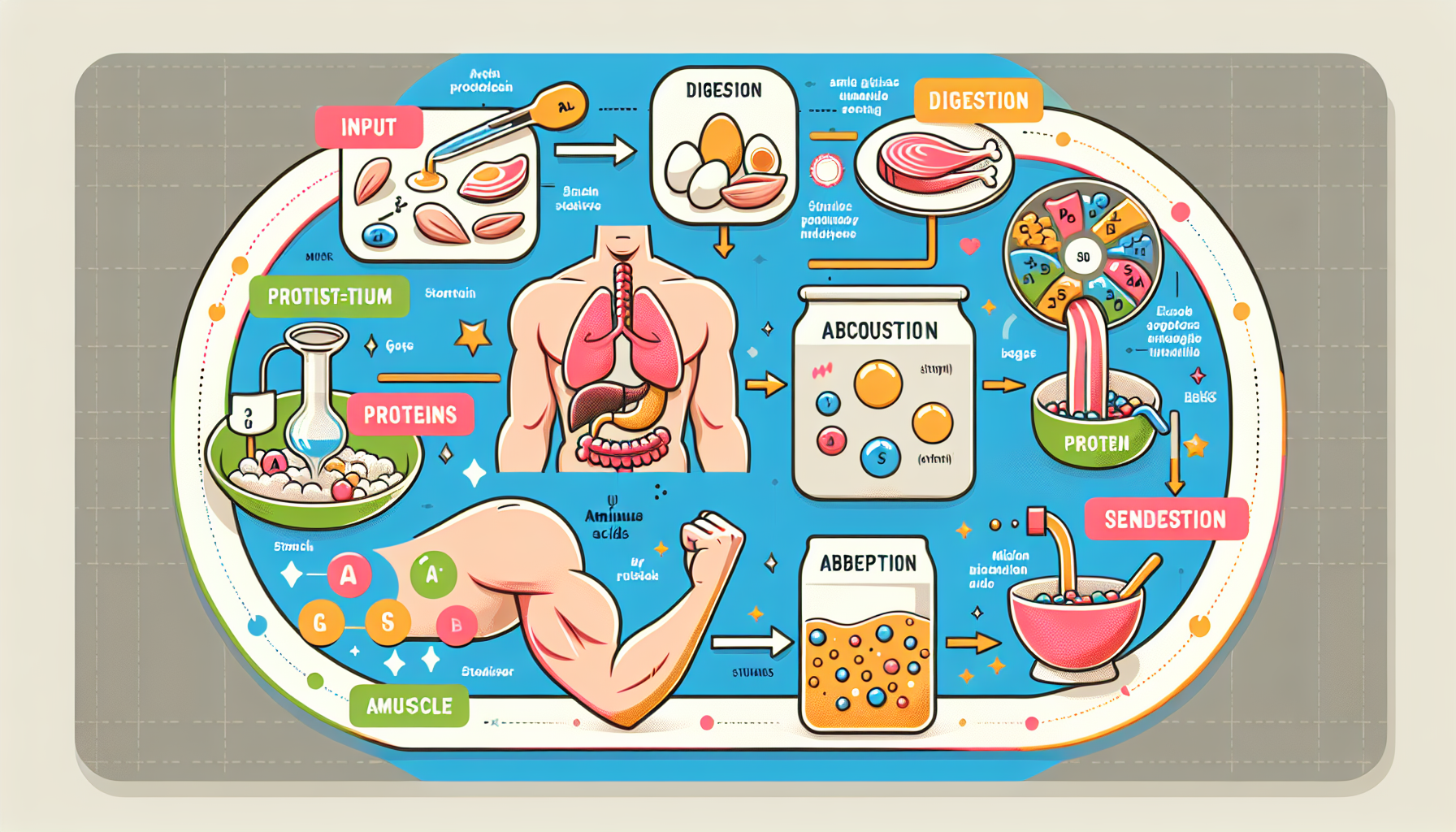
In the realm of fitness and bodybuilding, the concept of muscle protein synthesis plays a crucial role in understanding how our muscles grow and repair. Delving into the intricate mechanisms of protein synthesis can unlock the key to maximizing your muscle gains and optimizing your workout results. From the biological processes involved to the impact of exercise and nutrition, this blog post will serve as your comprehensive guide to comprehending the fascinating world of muscle protein synthesis. Let’s explore how this fundamental process shapes our muscle development and performance.
Introduction to Protein Synthesis and Its Importance
Protein synthesis is a fundamental biological process that occurs in all living organisms. It is the process by which cells build new proteins, which are essential for the structure, function, and regulation of various tissues and organs in our bodies. Without protein synthesis, life as we know it would not be possible.
The importance of protein synthesis in relation to muscle growth and repair cannot be overstated. When we engage in physical exercise, our muscles experience microscopic damage and breakdown. Protein synthesis is the key mechanism through which our bodies repair and rebuild these damaged muscle fibers, leading to muscle growth and increased strength.
Understanding the intricacies of protein synthesis is crucial for anyone looking to maximize their muscle gains and optimize their workout results. By comprehending the underlying biology and factors that influence this process, you will be better equipped to make informed decisions regarding exercise, nutrition, and recovery strategies to support muscle protein synthesis.
In the following sections, we will delve deeper into the biology of muscle protein synthesis, the impact of exercise, the role of nutrition, and address some frequently asked questions to provide you with a comprehensive understanding of this fascinating topic. Let’s embark on this journey of unraveling the mysteries behind muscle protein synthesis.
The Biology of Muscle Protein Synthesis
Muscle protein synthesis is a complex biological process that involves the creation of new proteins within muscle cells. These proteins are crucial for muscle growth, repair, and maintenance. To fully comprehend muscle protein synthesis, it is important to understand the role of amino acids, the process of protein synthesis, and the various factors that influence this process.
Understanding the Role of Amino Acids
Amino acids are the building blocks of proteins. They are essential for the synthesis and repair of muscle tissues. There are 20 different amino acids, and they can be classified into two categories: essential and non-essential.
- Essential amino acids: These are amino acids that our bodies cannot produce and must be obtained through our diet. They include leucine, isoleucine, valine, methionine, phenylalanine, histidine, lysine, threonine, and tryptophan.
- Non-essential amino acids: These are amino acids that our bodies can produce on their own. They include alanine, asparagine, aspartic acid, cysteine, glutamic acid, glutamine, glycine, proline, serine, and tyrosine.
Of particular importance to muscle protein synthesis is the essential amino acid leucine. Leucine plays a crucial role in stimulating muscle protein synthesis and is often referred to as the “trigger” for this process.
The Process of Protein Synthesis
Protein synthesis occurs in two main stages: transcription and translation.
- Transcription: This is the first step in protein synthesis, where the DNA sequence of a gene is copied into a messenger RNA (mRNA) molecule. This mRNA molecule carries the genetic information from the DNA to the ribosomes, where protein synthesis takes place.
- Translation: In this stage, the mRNA molecule moves to the ribosomes, which are the cellular structures responsible for protein synthesis. The ribosomes read the mRNA sequence and use it as a template to assemble a chain of amino acids, forming a polypeptide chain. This chain then folds into a three-dimensional protein structure.
Factors Influencing Protein Synthesis
Several factors can influence the rate of muscle protein synthesis. Understanding these factors can help individuals optimize their muscle-building efforts. Some key factors include:
- Nutrient availability: A sufficient supply of essential amino acids, particularly leucine, is critical for stimulating protein synthesis. Adequate carbohydrate and fat intake also play a role in supporting protein synthesis.
- Hormonal regulation: Hormones such as insulin, growth hormone, and testosterone can impact protein synthesis. Insulin, for example, promotes protein synthesis and muscle growth.
- Exercise stimulus: Resistance training, in particular, has been shown to stimulate muscle protein synthesis. The intensity, duration, and type of exercise can all influence the rate of protein synthesis.
- Age and health status: Protein synthesis tends to decline with age, making it more challenging for older individuals to build and maintain muscle mass. Certain health conditions and medications can also affect protein synthesis.
By understanding the biology of muscle protein synthesis and the factors that influence it, individuals can make informed decisions regarding their exercise, nutrition, and supplementation strategies to optimize muscle growth and repair. In the following sections, we will explore the impact of exercise and nutrition on muscle protein synthesis in greater detail.
Exercise and Muscle Protein Synthesis
Exercise plays a pivotal role in stimulating muscle protein synthesis. Different types of exercise, such as resistance training and aerobic exercise, can have varying effects on protein synthesis. Additionally, the timing of exercise and the importance of recovery cannot be overlooked when considering muscle protein synthesis. Let’s explore these aspects in detail.
Effect of Resistance Training on Protein Synthesis
Resistance training, also known as strength training or weightlifting, is a form of exercise that involves using external resistance to challenge and overload the muscles. This type of exercise has been extensively studied for its ability to induce muscle protein synthesis.
During resistance training, the mechanical stress placed on the muscles stimulates the activation of signaling pathways involved in protein synthesis. This leads to an increased production of proteins necessary for muscle growth and repair.
The intensity and volume of resistance training play a crucial role in determining the magnitude of the protein synthesis response. Higher-intensity workouts and training that target multiple muscle groups tend to elicit a greater protein synthesis response.
Effect of Aerobic Exercise on Protein Synthesis
Aerobic exercise, also known as cardiovascular exercise or endurance training, involves activities that increase heart rate and breathing for an extended period. While aerobic exercise is not typically associated with significant muscle hypertrophy, it still has an impact on muscle protein synthesis.
Aerobic exercise stimulates the production of certain hormones, such as insulin-like growth factor 1 (IGF-1), that can enhance protein synthesis. Additionally, aerobic exercise can improve blood flow and nutrient delivery to the muscles, facilitating the process of protein synthesis.
While the protein synthesis response to aerobic exercise may not be as pronounced as with resistance training, it still contributes to overall muscle maintenance and adaptation.
The Role of Recovery in Protein Synthesis
Recovery is a crucial component of muscle protein synthesis. After a workout, the body goes through a period of repair and adaptation, during which protein synthesis is heightened. Adequate rest and recovery allow the body to rebuild and replenish muscle tissues.
Sleep plays a vital role in the recovery process. During sleep, the body releases growth hormone, which aids in protein synthesis and muscle repair. It is recommended to get 7-9 hours of quality sleep per night to optimize recovery and muscle growth.
Additionally, providing the body with adequate nutrition, hydration, and rest days between workouts is essential for supporting muscle protein synthesis and preventing overtraining.
Understanding the impact of exercise on muscle protein synthesis can help individuals structure their workout routines and recovery strategies for optimal muscle growth and adaptation. In the next section, we will explore the role of nutrition in muscle protein synthesis.
Nutrition and Muscle Protein Synthesis
Nutrition plays a critical role in muscle protein synthesis. The foods we consume provide the necessary building blocks and nutrients to support the process of protein synthesis. In this section, we will delve into the impact of protein intake, the importance of post-workout nutrition, and the role of hydration in muscle protein synthesis.
Impact of Protein Intake
Protein is the primary macronutrient involved in muscle protein synthesis. Consuming an adequate amount of protein is essential for providing the necessary amino acids to support muscle growth and repair. The recommended daily protein intake varies depending on factors such as age, sex, and activity level.
Research suggests that consuming around 0.6-0.9 grams of protein per pound of body weight per day is sufficient for most individuals to support muscle protein synthesis. However, those engaged in intense resistance training may benefit from a higher protein intake, ranging from 0.8-1.2 grams per pound of body weight.
It’s important to distribute protein intake evenly throughout the day, as research suggests that consuming 20-30 grams of protein per meal can maximize muscle protein synthesis. Including a variety of high-quality protein sources, such as lean meats, poultry, fish, eggs, dairy products, legumes, and plant-based protein sources, can help meet protein needs.
Importance of Post-Workout Nutrition
The post-workout period is a critical time for muscle protein synthesis. Consuming the right nutrients after exercise can enhance the recovery and muscle-building process. Key components of post-workout nutrition include protein, carbohydrates, and fluids.
Protein: Consuming a protein-rich meal or snack within a few hours after exercise can promote muscle protein synthesis. This helps facilitate muscle repair and growth. Whey protein, in particular, has been shown to be highly effective due to its fast absorption and high leucine content.
Carbohydrates: Including carbohydrates in your post-workout nutrition is important for replenishing glycogen stores, providing energy, and supporting protein synthesis. Opt for complex carbohydrates like whole grains, fruits, and vegetables.
Fluids: Proper hydration is crucial for optimal muscle protein synthesis. Water helps transport nutrients to the muscles and aids in the removal of waste products. Aim to drink enough fluids throughout the day and especially after your workout.
Role of Hydration in Protein Synthesis
Staying hydrated is vital for supporting muscle protein synthesis. Dehydration can impair protein synthesis and hinder muscle recovery. When you’re dehydrated, blood flow to the muscles is compromised, which can limit nutrient delivery and hinder protein synthesis.
To ensure adequate hydration, drink water before, during, and after your workout. The exact amount of fluid you need will depend on various factors such as climate, intensity of exercise, and individual sweat rate. Monitoring your urine color is a useful indicator of hydration status – aim for a pale yellow color.
By paying attention to protein intake, post-workout nutrition, and hydration, you can optimize muscle protein synthesis and support muscle growth and recovery. In the next section, we will address some frequently asked questions about muscle protein synthesis.
Frequently Asked Questions About Muscle Protein Synthesis
In this section, we will address some common questions and concerns regarding muscle protein synthesis to further enhance your understanding of this topic. Let’s dive into these frequently asked questions:
Can You Influence Your Rate of Protein Synthesis?
Yes, there are several ways to positively influence your rate of protein synthesis. Some strategies include:
- Consuming an adequate amount of protein: As mentioned earlier, protein intake is crucial for supporting muscle protein synthesis. Ensuring you meet your daily protein requirements can help optimize the rate of synthesis.
- Including leucine-rich foods: Leucine is an essential amino acid that plays a key role in stimulating protein synthesis. Consuming foods high in leucine, such as lean meats, dairy products, and legumes, can aid in maximizing the rate of muscle protein synthesis.
- Engaging in resistance training: Resistance training, especially high-intensity workouts, has been shown to stimulate protein synthesis. Incorporating regular resistance training sessions into your exercise routine can help enhance the rate of muscle protein synthesis.
- Prioritizing post-workout nutrition: Consuming a protein-rich meal or snack after exercise, along with carbohydrates and fluids, can optimize the rate of muscle protein synthesis during the recovery period.
Does Age Affect Protein Synthesis?
Yes, age can impact protein synthesis. As we age, there is a natural decline in the rate of muscle protein synthesis, which can contribute to muscle loss and decreased muscle function. This phenomenon, known as anabolic resistance, makes it more challenging for older individuals to build and maintain muscle mass.
However, engaging in regular resistance training and consuming an adequate protein intake can help mitigate the age-related decline in protein synthesis. Older individuals may benefit from slightly higher protein intake and focusing on resistance exercises that target multiple muscle groups.
What Happens if Protein Synthesis is Disrupted?
Disruptions in protein synthesis can have negative effects on muscle growth, repair, and overall muscle health. When protein synthesis is impaired, the body struggles to adequately rebuild and repair damaged muscle tissue, leading to muscle loss, decreased strength, and impaired recovery.
Factors that can disrupt protein synthesis include inadequate protein intake, certain medical conditions, chronic illnesses, and prolonged periods of inactivity. It is important to prioritize proper nutrition, exercise, and overall health to support optimal muscle protein synthesis and maintain muscle mass.
By understanding these frequently asked questions about muscle protein synthesis, you can make informed decisions and implement strategies to support your muscle-building goals.