
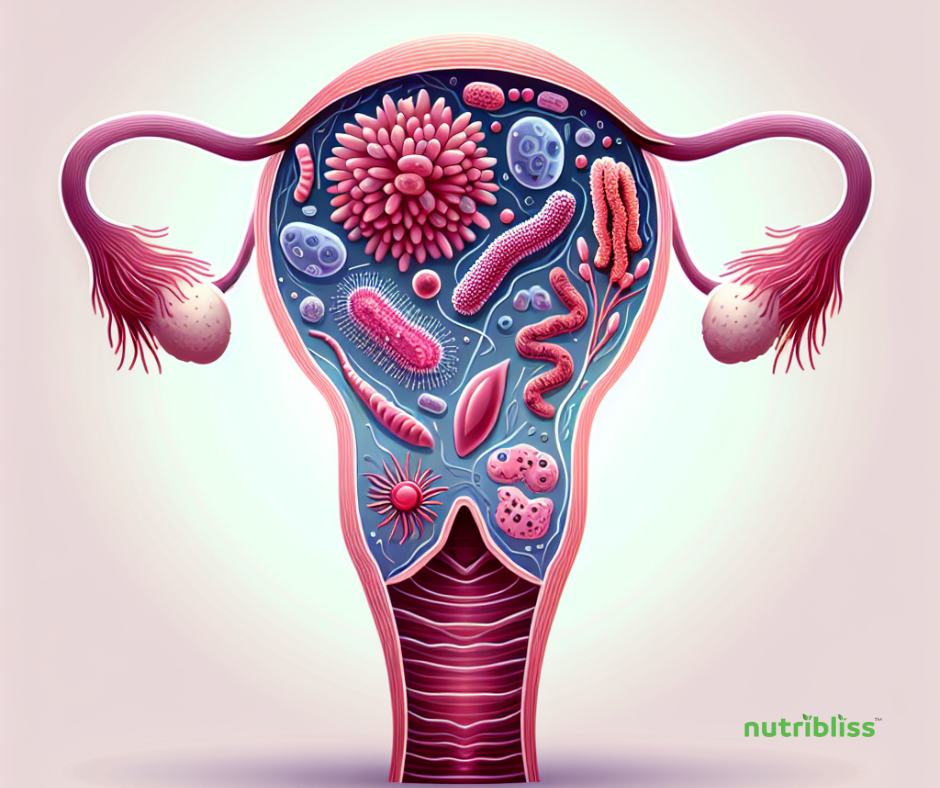
The vaginal microbiome, a complex ecosystem of microorganisms, plays a crucial role in women’s reproductive and overall health. Understanding the delicate balance of the vaginal flora and its impact on conditions like bacterial vaginosis, sexually transmitted infections, and even fertility is essential for promoting optimal well-being.
This article will take a deep dive into the fascinating world of the vaginal microbiome, exploring its composition, function, and the factors that influence its balance. We will discuss the key players, such as Lactobacillus species, and their protective role against pathogens like Gardnerella vaginalis. The article will also cover common imbalances, their symptoms (e.g., abnormal vaginal discharge), and the importance of maintaining a healthy vaginal pH. Finally, we will provide practical strategies for nurturing a balanced vaginal microbiota and discuss the potential of vaginal microbiome testing in personalized care.
The Vital Role of the Vaginal Microbiome in Women’s Health
The vaginal microbiome plays a crucial role in maintaining the overall health and well-being of women. It is a complex ecosystem consisting of billions of microorganisms, primarily bacteria, that work together to protect against infections and maintain a healthy vaginal environment [1].
Defining the Vaginal Microbiome
The vaginal microbiome is dominated by Lactobacillus species, which produce various antimicrobial compounds such as lactic acid, hydrogen peroxide, and bacteriocins [2]. These compounds help maintain a low vaginal pH (between 3.8 and 4.5), preventing the growth of harmful pathogens [2]. Lactobacillus also competes with other bacteria for space on the vaginal wall and reduces inflammation in the genital area [2].
When there is an imbalance in the vaginal microbiome, with a decrease in protective Lactobacillus and an increase in anaerobic bacteria such as Gardnerella, E. coli, and Mycoplasma, it can lead to vaginal dysbiosis [2]. This dysbiosis can cause infections like bacterial vaginosis, yeast infections, and urinary tract infections, leading to symptoms such as itching, burning, irritation, and abnormal vaginal discharge [2].
Comparison with Other Microbiomes
The vaginal microbiome is unique compared to other microbiomes in the human body. Unlike the gut microbiome, which has a high diversity of bacterial species, the vaginal microbiome is dominated by a single genus, Lactobacillus, in most healthy women [9]. This low diversity is thought to be an evolutionary adaptation to protect against sexually transmitted infections and maintain reproductive health [9].
The composition of the vaginal microbiome also differs from other mammals, which typically have a neutral vaginal pH and a mixture of bacterial species [2]. In humans, the dominance of Lactobacillus and the low vaginal pH are unique features that have likely evolved in response to continuous sexual receptivity and the need to protect against infections during pregnancy and the postpartum period [2].
The vaginal microbiome not only affects vaginal health but also plays a role in overall reproductive health. An imbalanced vaginal microbiome has been associated with an increased risk of sexually transmitted infections, pelvic inflammatory disease, fertility issues, pregnancy complications, and even gynecological cancers [9] [10] [14] [18] [19] [22] [27] [34]. Maintaining a healthy vaginal microbiome, dominated by protective Lactobacillus species, is crucial for preventing these adverse health outcomes [9].
Key Factors Influencing the Vaginal Microbiome
The vaginal microbiome is a dynamic ecosystem that can be influenced by various internal and external factors. Hormonal changes, lifestyle and hygiene practices, and antibiotic usage are among the key factors that can significantly impact the delicate balance of the vaginal microbiota [1].
Hormonal Changes
Hormonal fluctuations throughout a woman’s life, particularly during puberty, menstrual cycles, pregnancy, and menopause, can greatly influence the composition of the vaginal microbiome [2]. Estrogen levels play a crucial role in maintaining a healthy vaginal environment by promoting the growth of Lactobacillus species, which help maintain a low pH and prevent the overgrowth of pathogenic bacteria [3]. During menopause, the decline in estrogen levels can lead to a decrease in Lactobacillus and an increase in bacterial diversity, potentially increasing the risk of vaginal infections [4].
Lifestyle and Hygiene Practices
Certain lifestyle and hygiene practices can also impact the vaginal microbiome. Douching, which involves washing the vagina with water or other fluids, can disrupt the natural balance of bacteria and increase the risk of vaginal infections [5]. The use of scented feminine hygiene products, such as tampons and pads, can also alter the vaginal pH and microbiota [6]. Sexual activity, particularly with new partners or engaging in unprotected sex, can introduce new bacteria into the vaginal environment and potentially lead to imbalances [7].
Antibiotic Usage
Antibiotics, while effective in treating bacterial infections, can also disrupt the balance of the vaginal microbiome. Broad-spectrum antibiotics can eliminate both pathogenic and beneficial bacteria, including Lactobacillus species [8]. This disruption can lead to an overgrowth of opportunistic pathogens, such as Candida albicans, resulting in vaginal yeast infections [9]. Proper use of antibiotics and the consideration of probiotic supplementation during and after antibiotic treatment may help minimize the negative impact on the vaginal microbiome [10].
Understanding the key factors that influence the vaginal microbiome is essential for maintaining vaginal health and preventing infections. Women should be aware of these factors and work with their healthcare providers to develop strategies for maintaining a balanced and healthy vaginal environment.
Common Imbalances and Their Impacts
A diverse vaginal microbiota with low Lactobacillus spp. abundance, known as bacterial vaginosis (BV), is associated with increased inflammation, characterized by higher levels of pro-inflammatory cytokines and the presence of activated immune cells [17]. Women with community state type IV (CST-IV) microbiota, which is low in Lactobacillus and high in anaerobic bacteria, are four times more likely to have elevated genital pro-inflammatory cytokines compared to those with CST-I (L. crispatus-dominated) [17]. Specific bacteria associated with inflammation include Fusobacterium, Aerococcus, Sneathia, Gemella, Mobiluncus, Prevotella, BVAB1/2/3, Prevotella amnii, Prevotella pallens, Parvimonas micra, Megasphaera, G. vaginalis, and Atopobium vaginae [17] [37].
Elevated levels of IL-1α, IL-1β, and decreased CXCL10 have been proposed as biomarkers for asymptomatic STIs or BV [38]. In vitro experiments have shown increased inflammation (IL-1β, IL-6, IL-8, G-CSF, PDGF, CXCL10, CCL4, and Gro-α) when FRT cell lines are exposed to G. vaginalis or A. vaginae compared to L. johnsonii [41]. Similar results were observed in a 3D model of the human cervix, with polymicrobial exposure leading to increased production of IL-1α, IL-6, IL-8, CCL2, CCL20, and IL-1β compared to no bacterial exposure or L. crispatus exposure [42].
The vaginal microbiota also impacts immune cell recruitment and phenotype. Women with CST-IV microbiota have a 17-fold increase in HIV-1 target cells in the FRT, with elevated CCL3 and CCL5 that attract CCR5+ cells [47]. Vaginal inoculation of P. bivia in germ-free mice promoted the recruitment of CCR5+ CD4+ T cells in the FRT compared to mice inoculated with L. crispatus [47]. In cervical cytobrushes of BV+ women, CD4+ T cells were more activated (HLA-DR+, CD38+, CCR5+) [17]. RNA sequencing of isolated cell populations from cervical cytobrushes highlighted that antigen-presenting cells (APCs) are the main cell population involved in FRT inflammation, with gene upregulation in APCs isolated from dysbiotic patients involved in cell growth suppression, apoptosis, inflammatory pathways, neoplastic suppression, and pro-proliferative pathways [50].
Understanding Bacterial Vaginosis
BV is characterized by the loss or sharp decline in Lactobacillus spp. and a corresponding 100-1000 fold increase in the concentration of facultative or obligate anaerobic microbes, such as Gardnerella, Prevotella, Atopobium, Mobiluncus, Bifidobacterium, Sneathia, Leptotrichia, and some novel bacteria in the Clostridiales order referred to as BVAB1-3 [2] [3] [4] [5]. G. vaginalis is the most common microorganism identified from vaginal samples of women with BV [6] [7]. It is the predominant microbe in polymicrobial biofilms that could shelter G. vaginalis and other BV-associated microbes from adverse host environments [8].
Association with STIs and Reproductive Issues
BV increases the risk of acquiring sexually transmitted infections (STIs) such as herpes simplex virus type 2 (HSV-2), human papillomavirus (HPV), HIV, and chlamydial, gonococcal, and trichomonal infections [9] [10] [11] [12] [13]. Women with Nugent scores of 9-10 are at the highest risk, while those with scores of 4-8 are at moderate risk of any bacterial STI (N. gonorrhoeae, C. trachomatis, and T. vaginalis) [9]. BV+ women were 4 and 3.4 times more likely to test positive for N. gonorrhoeae and C. trachomatis, respectively [14]. In a large longitudinal study, BV was associated with a 1.5-2 times elevated risk for the acquisition of chlamydial, gonococcal, or trichomonal infection [15].
BV is also linked to adverse reproductive and obstetric sequelae, including preterm birth, low birth weight, miscarriage, and pelvic inflammatory disease (PID) [16] [17] [18] [19]. Preterm labor has been associated with diverse vaginal communities in several studies [20] [21], and in a large cohort of pregnant women with intermediate vaginal flora, the absence of lactobacilli was significantly associated with preterm delivery [22].
Strategies for Maintaining a Healthy Vaginal Microbiome
Maintaining a healthy vaginal microbiome is crucial for overall reproductive health and preventing infections. Several strategies can help support the delicate balance of beneficial bacteria in the vagina.
Diet and Probiotics
Consuming a balanced diet rich in nutrients like omega-3 fatty acids, betacarotene, and prebiotic fiber can support the growth of beneficial bacteria in the vaginal microbiome [32]. Omega-3 fatty acids are found in oily fish, nuts, seeds, and plant oils, while betacarotene is abundant in red, orange, and yellow vegetables, as well as dark, leafy greens [32]. Prebiotic fiber, which serves as fuel for friendly bacteria, is present in vegetables like Jerusalem artichokes, garlic, onions, beetroot, asparagus, and legumes [32].
Probiotics, particularly those containing Lactobacillus strains, can help maintain a healthy vaginal flora by making it harder for other microbes to grow [32]. Yogurt with live and active cultures is a great dietary source of probiotics [32]. Probiotic supplements, such as those containing Lactobacillus rhamnosus (GR-1®), Lactobacillus reuteri (RC-14®), and Lactobacillus crispatus, can also help restore and balance the vaginal microbiome [32].
Avoiding Disruptive Practices
Certain practices can disrupt the delicate balance of the vaginal microbiome and should be avoided. Douching, which involves washing the vagina with water or other fluids, can alter the vaginal pH and microbiota, increasing the risk of infections [32]. Using scented feminine hygiene products, such as tampons and pads, can also disrupt the vaginal environment [32].
Sexual activity, particularly with new partners or engaging in unprotected sex, can introduce new bacteria into the vagina and potentially lead to imbalances [32]. Using protection and practicing safe sex can help maintain a healthy vaginal microbiome.
Recognizing Symptoms and Seeking Treatment
It is essential to be aware of the signs and symptoms of vaginal imbalances and infections, such as abnormal discharge, itching, burning, and discomfort [32]. If these symptoms persist or worsen, it is crucial to consult with a healthcare provider for proper diagnosis and treatment.
Antibiotics, while effective in treating bacterial infections, can also disrupt the balance of the vaginal microbiome by eliminating both pathogenic and beneficial bacteria [34]. Proper use of antibiotics and considering probiotic supplementation during and after treatment may help minimize the negative impact on the vaginal microbiome [34].
By adopting a balanced diet, incorporating probiotics, avoiding disruptive practices, and seeking prompt treatment when necessary, women can take proactive steps to maintain a healthy vaginal microbiome and promote overall reproductive health [32] [34].
Conclusion
The vaginal microbiome is a complex and dynamic ecosystem that plays a vital role in women’s reproductive and overall health. By understanding the factors that influence this delicate balance, such as hormonal changes, lifestyle practices, and antibiotic usage, women can take proactive steps to maintain a healthy vaginal environment. Adopting a nutrient-rich diet, incorporating probiotics, and avoiding disruptive practices are key strategies for promoting a balanced vaginal microbiome.
Recognizing the signs and symptoms of imbalances and seeking prompt treatment when necessary are crucial for preventing adverse health outcomes. To learn more about the fascinating world of the vaginal microbiome and how to support your reproductive health, visit our blog at NutriBliss Probiotics. By staying informed and proactive, women can empower themselves to maintain optimal vaginal health and overall well-being.
FAQs
No FAQs are available at this time for “Vaginal Microbiome 101: A Deep Dive into Women’s Health.” Please check back later for more information.
Citations:
[1] – https://www.juno.bio/blog/vaginal-microbiome-101
[2] – https://seed.com/cultured/vaginal-microbiome-101/
[3] – https://www.evvy.com/blog/vaginal-microbiome
[4] – https://www.ncbi.nlm.nih.gov/pmc/articles/PMC10044948/
[5] – https://www.ncbi.nlm.nih.gov/pmc/articles/PMC8058480/
[6] – https://wyss.harvard.edu/news/a-breakthrough-in-bacterial-vaginosis-treatment-for-womens-health/
[7] – https://www.ncbi.nlm.nih.gov/pmc/articles/PMC8058480/
[8] – https://pubmed.ncbi.nlm.nih.gov/30848142/
[9] – https://www.evvy.com/blog/vaginal-microbiome
[10] – https://www.ncbi.nlm.nih.gov/pmc/articles/PMC9273862/
[11] – https://www.ncbi.nlm.nih.gov/pmc/articles/PMC8719517/
[12] – https://www.cell.com/cell-reports/pdf/S2211-1247(24)00406-6.pdf
[13] – https://www.ncbi.nlm.nih.gov/pmc/articles/PMC7343982/
[14] – https://www.ncbi.nlm.nih.gov/pmc/articles/PMC10047399/
[15] – https://www.frontiersin.org/articles/10.3389/fcimb.2021.686167
[16] – https://www.ncbi.nlm.nih.gov/pmc/articles/PMC9959050/
[17] – https://www.ncbi.nlm.nih.gov/pmc/articles/PMC7789027/
[18] – https://www.nature.com/articles/d41591-023-00096-6
[19] – https://www.ncbi.nlm.nih.gov/pmc/articles/PMC10583130/
[20] – https://www.ncbi.nlm.nih.gov/pmc/articles/PMC7386580/
[21] – https://www.frontiersin.org/articles/10.3389/fcimb.2021.631972
[22] – https://www.ncbi.nlm.nih.gov/pmc/articles/PMC8058480/
[23] – https://www.ncbi.nlm.nih.gov/books/NBK459216/
[24] – https://www.frontiersin.org/articles/10.3389/fcimb.2021.672429
[25] – https://www.ncbi.nlm.nih.gov/pmc/articles/PMC6743080/
[26] – https://www.ncbi.nlm.nih.gov/pmc/articles/PMC3225992/
[27] – https://www.frontiersin.org/articles/10.3389/frph.2022.992176
[28] – https://www.ncbi.nlm.nih.gov/pmc/articles/PMC9366906/
[29] – https://pubmed.ncbi.nlm.nih.gov/32779162/
[30] – https://journals.viamedica.pl/ginekologia_polska/article/download/GP.2020.0070/51522
[31] – https://www.ncbi.nlm.nih.gov/pmc/articles/PMC9959050/
[32] – https://www.lifespaceprobiotics.com/blogs/health-tips/the-best-and-not-so-great-foods-for-a-healthy-vaginal-microbiome
[33] – https://www.optibacprobiotics.com/learning-lab/in-depth/womens-health/vaginal-microbiome
[34] – https://www.ncbi.nlm.nih.gov/pmc/articles/PMC8232816/
[35] – https://www.acog.org/womens-health/experts-and-stories/the-latest/think-you-have-a-vaginal-infection-heres-what-you-need-to-know
[36] – https://rightasrain.uwmedicine.org/well/health/vaginal-microbiome
[37] – https://www.ncbi.nlm.nih.gov/pmc/articles/PMC9959050/
[38] – https://pubmed.ncbi.nlm.nih.gov/34763361/
[39] – https://www.sciencedirect.com/science/article/pii/S1028455923003017
[40] – https://www.ncbi.nlm.nih.gov/pmc/articles/PMC8058480/
[41] – https://www.frontiersin.org/journals/microbiology/articles/10.3389/fmicb.2022.819958/full
[42] – https://bio.libretexts.org/Bookshelves/Microbiology/Microbiomes_-_Health_and_the_Environment_(Parks)/03%3A_Human_Health_and_Disease/3.06%3A_The_Vaginal_Microbiome