
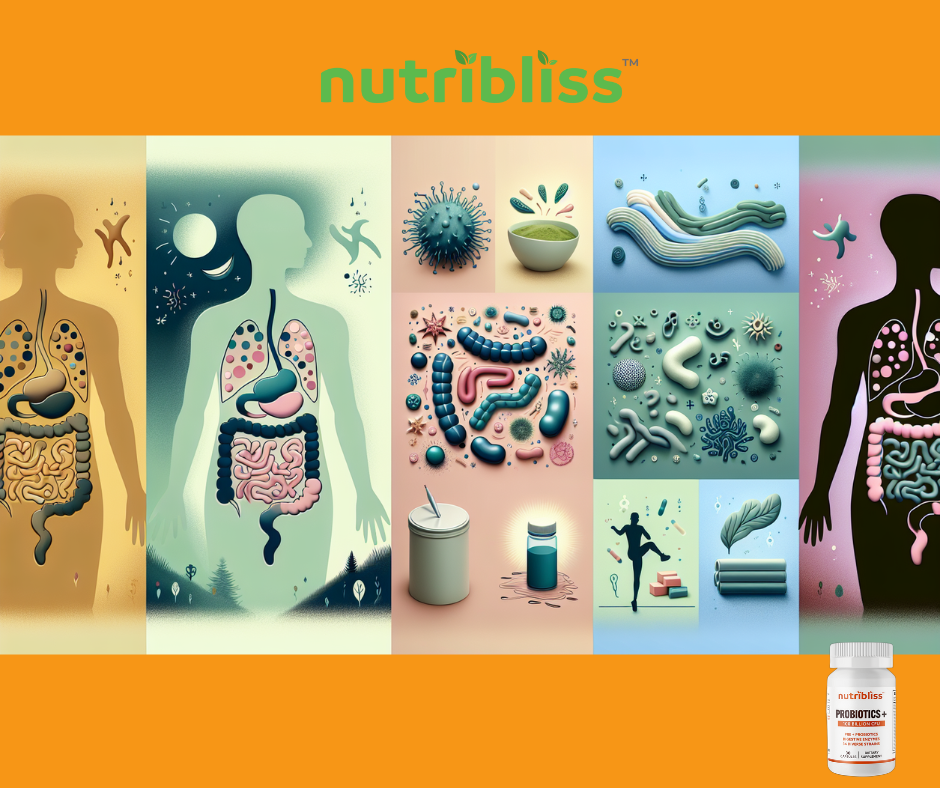
In an era where irritable bowel syndrome and inflammatory bowel disease are becoming increasingly common, understanding and maintaining gut health is more important than ever. A gut reset, aimed at restoring the natural balance of your gut flora, can be a game-changer in this context, offering a pathway to improved digestion, enhanced immunity, and overall well-being. Through strategic changes in diet and lifestyle, it is possible to heal your gut and foster a thriving microbiome, which is essential for processing food, synthesizing nutrients, and protecting against harmful pathogens. This restoration is not just about alleviating digestive discomfort; it’s a foundation for long-term health, influencing everything from your metabolism to your mental state.
This article will delve into the critical components of a gut reset, from identifying foods that harm gut health to incorporating whole foods that are rich in probiotics and prebiotics. Fasting, often overlooked, will be discussed as a method to improve gut permeability and reduce the load on the digestive system, thus allowing it to heal. Furthermore, the article will explore the crucial roles of gut bacteria and beneficial bacteria in gut health, providing insights into how to combat gut parasites and mitigate issues like gut permeability. By arming you with knowledge on gut microbiome optimization and practical tips for a gut-healthy diet plan, this ultimate guide aims to empower readers to take control of their gut health and achieve gut restoration in just 7 days.
Understanding Your Gut Microbiome
Defining the Gut Microbiome
The gut microbiome, comprising trillions of microbes including bacteria, viruses, and fungi, plays a crucial role in human health and disease. These microorganisms, predominantly located in the colon, significantly outnumber human cells and are essential for metabolism, nutrition, immune function, and disease prevention. The diversity of these microbial communities is vast, with a single individual hosting up to 160 different species out of a possible 1150 that can colonize the human gastrointestinal tract.
The Importance of Microbiome Diversity
Microbial diversity within the gut microbiome is a key indicator of gut health. A well-balanced microbiome with a wide range of bacterial species supports the body’s ability to fight off pathogens, manage digestion, and regulate immune responses. Conversely, a lack of diversity, known as dysbiosis, is often linked to numerous health issues including obesity, type 2 diabetes, and various gastrointestinal diseases like inflammatory bowel disease (IBD). Studies have shown that diverse gut microbiota is associated with populations maintaining a traditional hunter-gatherer diet, which is vastly different from the Western diet that tends to reduce microbial diversity.
How Diet Affects Your Gut
Diet is one of the most significant factors influencing the composition and diversity of the gut microbiome. The type and variety of foods consumed can either support a healthy microbiome or contribute to dysbiosis. Diets rich in fiber from fruits, vegetables, and whole grains encourage the growth of beneficial bacteria and are linked to a reduction in chronic diseases. In contrast, diets high in processed foods and sugars promote harmful bacteria that can lead to health issues. The consumption of plant-based foods not only supports microbial diversity but also enhances the microbiome’s ability to produce essential nutrients and protect against pathogens.
Foods that Harm Your Gut Health
The Impact of Processed Foods
The Western diet, characterized by high consumption of processed foods, is linked to chronic inflammation and an increased risk of metabolic and cardiovascular diseases. Ultra-processed foods (UPFs) alter the gut microbiota, leading to inflammation and potentially even epigenetic changes that can affect future generations. Studies have shown that a diet rich in UPFs is associated with an increased risk of inflammatory bowel diseases such as Crohn’s disease and ulcerative colitis.
Sugar’s Role in Gut Imbalance
High sugar intake disrupts the gut microbiota by increasing the abundance of Proteobacteria, a group of bacteria that can cause inflammation, and decreasing the presence of Bacteroidetes, which are vital for gut barrier function and immune response. This imbalance, known as dysbiosis, can lead to a range of health issues, including metabolic disorders and inflammatory bowel diseases. The consumption of refined sugars is particularly harmful as it promotes the growth of pathogenic bacteria and yeasts in the gut.
Why Reducing Sugar Intake is Crucial
Reducing the intake of added sugars can restore balance to the gut microbiota, enhancing the growth of beneficial bacteria and improving overall gut health. Registered dietitian Brigitte Zeitlin highlights that while natural sugars in fruits and vegetables are beneficial, refined sugars found in processed foods can cause inflammation and damage the microbiome. Dr. Will Bulsiewicz, a gastroenterologist, advises minimizing added sugars and opting for whole, unprocessed foods to support gut health and prevent the adverse effects of sugar on the microbiome.
Probiotics: The Good Bacteria Your Gut Needs
Types of Probiotic-Rich Foods
Fermented foods are a prime source of probiotics, which are live microorganisms essential to gut health. These foods include yogurt, kefir, kimchi, sauerkraut, and certain types of pickles that are naturally fermented, not those pickled using vinegar. It’s important to look for labels that mention “naturally fermented” to ensure the presence of live probiotics. These foods not only support the gut microbiome but also enhance the nutritional value of the food. Additionally, fermented soybean products like tempeh, miso, and natto are rich in probiotics. Natto, for instance, contains a bacterial strain known as Bacillus subtilis which is beneficial for bone and cardiovascular health.
Benefits of Incorporating Fermented Foods
Incorporating fermented foods into the diet can significantly improve gut health by increasing the diversity and health of the gut microbiome. These foods help in maintaining a balance between beneficial and harmful bacteria, which is crucial for overall health. Fermented foods also play a role in strengthening the intestinal walls, preventing conditions like leaky gut syndrome. Regular consumption of these foods from an early age can train the immune system to tolerate a diverse microbiome, which is beneficial in preventing various health issues ranging from metabolic disorders to neurodegenerative diseases. Moreover, fermented foods have been linked to numerous other health benefits including improved digestion, enhanced immune function, and reduced risk of chronic diseases.
Frequency and Quantity for Optimal Gut Health
To reap the maximum benefits of probiotics, it is recommended to incorporate a variety of fermented foods into the daily diet. Dr. Ludwig suggests adding fermented foods as a side dish, a salad topping, or even incorporating them into sandwiches. It is also beneficial to explore a range of fermented foods beyond the commonly consumed yogurt, such as kefir, kimchi, and sauerkraut, to ensure a wide spectrum of probiotics. The frequency of consumption and the variety of fermented foods can play a key role in maintaining an optimal gut microbiome, thereby supporting overall health and well-being.
Prebiotics: Fuel for Your Gut Flora
Prebiotics are essential dietary fibers that feed the beneficial bacteria in your gut, playing a pivotal role in maintaining a healthy microbiome. These fibers are not digestible by the body and thus serve as a vital source of nourishment for gut bacteria, which, in turn, contribute to various health benefits including improved digestion, enhanced immune function, and reduced risk of chronic diseases.
Identifying Prebiotic Sources
Prebiotics are found abundantly in many plant-based foods, particularly in fruits, vegetables, and whole grains. Common prebiotic-rich foods include onions, garlic, leeks, asparagus, bananas, and whole grains like barley and oats. These foods contain high levels of inulin and other prebiotic fibers that help stimulate the growth of beneficial gut bacteria. Incorporating these foods into your diet is an effective way to enhance your gut health and support the microbiome.
Integrating High-Fiber Foods into Your Diet
To boost the prebiotic content of your diet, focus on including a variety of high-fiber foods. Legumes, beans, peas, oats, bananas, berries, Jerusalem artichokes, and dandelion greens are excellent sources of prebiotic fiber. These foods not only provide the necessary fiber to feed your gut bacteria but also contribute to the production of short-chain fatty acids like butyrate, which are critical for colon health and overall well-being. Regular consumption of these high-fiber foods can significantly improve the balance and diversity of your gut flora.
Balancing Prebiotics with Probiotics
For optimal gut health, it’s crucial to maintain a balance between prebiotics and probiotics. Prebiotics serve as food for probiotics, the live beneficial bacteria that inhabit your gut. By consuming a diet rich in both prebiotics and probiotics, you can ensure a healthy balance of gut bacteria, which is essential for digestion, immune function, and preventing diseases. Foods like yogurt, kefir, and sauerkraut provide probiotics, while prebiotic-rich foods like garlic, onions, and bananas support their growth and activity in the gut.
By focusing on these key aspects of prebiotic intake and balancing them with probiotic consumption, you can effectively fuel your gut flora and enhance your overall health.
Additional Factors Affecting Gut Health
The Role of Exercise
Exercise significantly influences gut health by enhancing the diversity and number of beneficial microbial species. Regular physical activity enriches the microflora diversity and improves the Bacteroidetes-Firmicutes ratio, which is crucial for reducing weight and preventing obesity-associated pathologies and gastrointestinal disorders. Studies have shown that both moderate and high-intensity exercise contribute to a healthier microbial profile, which can mitigate the risk of inflammatory bowel disease and colon cancer by improving mucosal immunity and barrier functions. Engaging in exercise routines that combine aerobic and resistance training has been found to increase microbial diversity more effectively than aerobic-only routines.
Exposure to Natural Environments
Interaction with natural environments plays a pivotal role in enhancing the gut microbiome. Research indicates that exposure to diverse natural settings, such as rural environments, can lead to a richer gut bacterial diversity compared to urban settings. Activities like gardening and contact with soil and plant material have been shown to increase microbial diversity in individuals, suggesting that regular engagement with nature could be beneficial for gut health. Moreover, living in proximity to natural green spaces and having access to gardens with diverse plant life can positively influence the gut microbiome.
Managing Stress for Better Gut Health
Stress management is crucial for maintaining a healthy gut microbiome. High stress levels can negatively impact gut function and microbiome balance. Incorporating stress-reducing practices such as regular exercise, mindfulness, and meditation can significantly alleviate stress and promote a healthier digestive system. Physical activities like yoga and mindful breathing are particularly effective in stimulating the parasympathetic nervous system, which supports digestive health by reducing inflammation and enhancing gut function. Additionally, maintaining a diet rich in proteins and probiotics during stressful periods can support gut health by improving the communication between the gut and the brain, known as the gut-brain axis.
Building Your Gut-Healthy Diet Plan
Easing into Dietary Changes
When embarking on a journey to improve gut health, it’s crucial to make dietary changes gradually. A sudden increase in fiber can lead to discomfort; hence, starting slowly and increasing intake over time allows the body to adjust. For instance, incorporating a variety of plant-based foods such as fruits, vegetables, nuts, seeds, and whole grains can significantly enhance gut health. These foods provide a broad spectrum of dietary fibers that not only maintain the health of the digestive tract but also nourish the beneficial bacteria residing in the gut.
Sample Meal Plans
To aid in the transition to a gut-healthy diet, consider a structured meal plan that focuses on probiotics and prebiotics. A sample day might include a breakfast of yogurt with raspberries, a lunch featuring a quinoa and roasted vegetable salad, and a dinner of grilled salmon with a side of sauerkraut. Snacks could include kefir or kombucha. Each meal incorporates elements that either introduce beneficial bacteria into the gut or provide the necessary nutrients to support their growth and maintenance.
Meal-Prep Tips: Preparing meals in advance can make it easier to stick to a gut-healthy diet. For example, roasting a large batch of root vegetables at the beginning of the week ensures that you have a ready supply of nutritious, fiber-rich sides for meals. Similarly, preparing a batch of quinoa or overnight oats can save time during busy weekdays.
Monitoring and Adjusting Your Diet Over Time
It’s important to monitor how your body responds to dietary changes and adjust accordingly. If you experience discomfort, such as bloating or gas, it may be necessary to slow down the rate at which you are introducing new foods. Additionally, keeping a food diary can help identify foods that either improve or worsen symptoms. Over time, aim to diversify your diet further by trying different fruits and vegetables to provide a range of nutrients and fibers that support a healthy gut microbiome.
Conclusion
Throughout this guide, we have navigated the intricate pathways of gut health, epitomizing the significance of a balanced gut microbiome for overall well-being. By understanding the foundations of gut flora, embracing a diet rich in probiotics and prebiotics, and recognizing the roles of lifestyle factors such as exercise and stress management, individuals can embark on a transformative journey towards digestive harmony and enhanced health. The synthesis of these elements not only illuminates the path to restoring gut flora but also underscores the imperative of adopting a holistic approach to well-being.
As the curtain draws on this comprehensive exploration of gut health, it becomes evident that knowledge and mindful action are pivotal in fostering an environment where our gut flora can flourish. For those eager to delve deeper into the world of gut health and unlock further insights into nurturing the gut microbiome, the Nutribliss blog offers a wealth of information and guidance. Discover more insights and continue your journey toward optimal gut health by exploring our blog, where the quest for wellness through gut health continues.
FAQs
How Can I Quickly Improve My Gut Flora?
To enhance the presence of beneficial bacteria in your gut, you should focus on consuming a fiber-rich diet and include foods high in prebiotics and probiotics. Reducing the intake of animal products and fats, avoiding unnecessary antibiotics, and maintaining a healthy lifestyle are also crucial steps.
What Does a 7-Day Gut Reset Entail?
A 7-day gut reset typically involves removing processed foods, sugars, and other potential irritants from your diet, while emphasizing the consumption of whole foods, fiber, probiotics, and prebiotics. The goal is to lessen inflammation and encourage the growth of healthy gut bacteria.
How Much Time Is Needed to Restore Gut Flora?
The gut microbiome of most individuals can return to its original state within one to two months. However, for some, it may take significantly longer to revert to normal, especially after antibiotic use, which can have long-term effects.
What Eliminates Harmful Gut Bacteria?
To eradicate bad bacteria in the gut, start with foundational health practices such as a balanced diet, regular exercise, and sufficient sleep. If these measures are insufficient, incorporating probiotics can help by outcompeting the harmful bacteria and helping to stabilize the gut microbiome.