
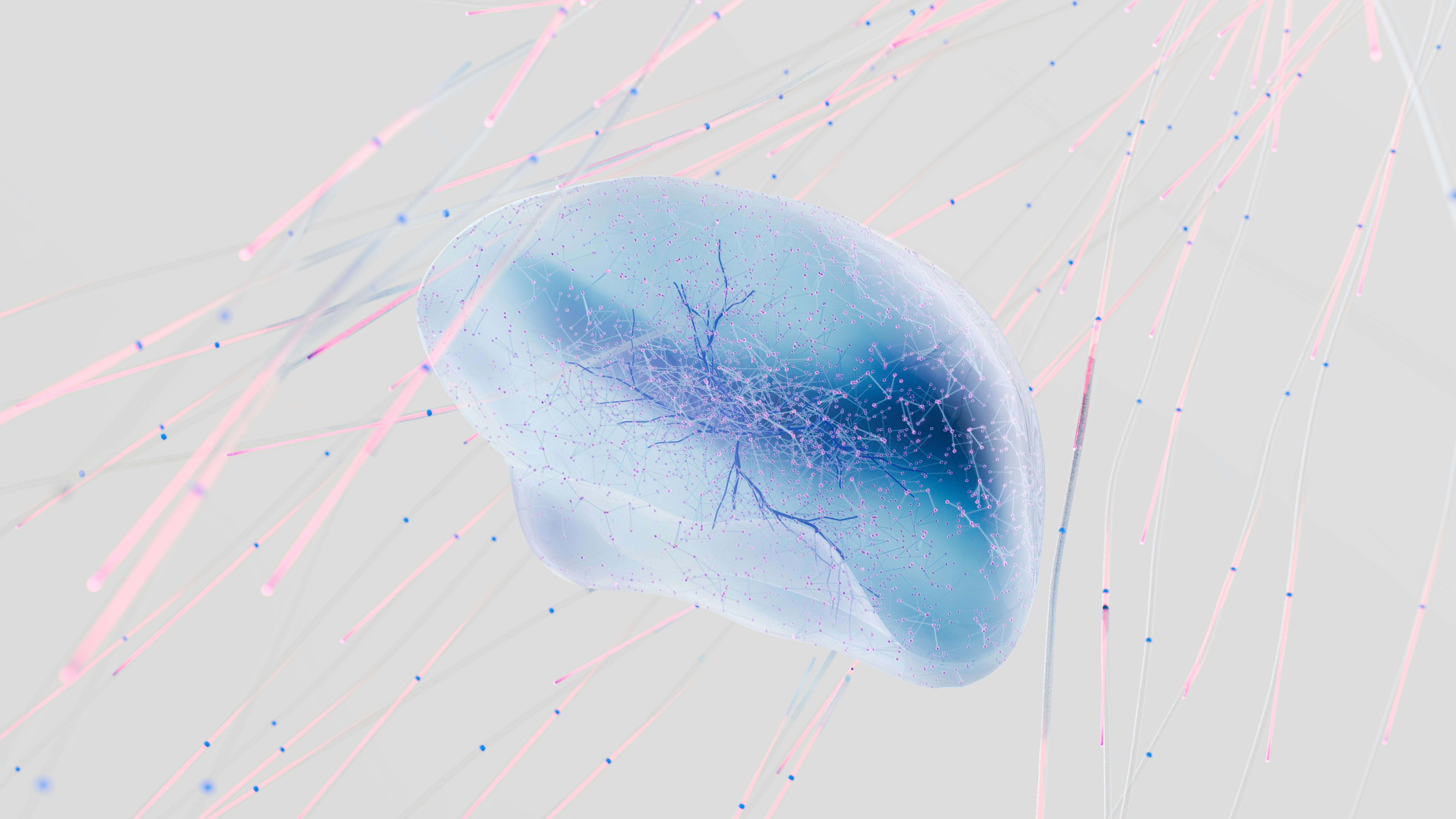
Ever felt like your stomach is in knots when you’re stressed, or experience a surge of happiness after a delicious meal? It’s not just your imagination. There’s a fascinating and powerful connection between your gut and your brain, often referred to as the gut-brain axis. This two-way communication highway plays a surprising role in regulating mood, emotions, and even mental well-being.
The Wonderful World of Your Gut Microbiome
Your gut isn’t just a passive passage for food. It’s a teeming ecosystem with trillions of bacteria, collectively known as the gut microbiome [1]. These tiny residents play a crucial role in digestion, immunity, and even the production of neurotransmitters – the chemical messengers in your brain.
How Gut Bacteria Talks to Your Brain
The gut and brain communicate in several ways:
- The Vagus Nerve: This nerve acts as a direct line of communication, sending signals from your gut to your brain about digestion, inflammation, and the overall health of your gut microbiome [2].
- The Immune System: The gut is a major player in the immune system. When gut bacteria are imbalanced, it can trigger inflammation throughout the body, impacting the brain and potentially leading to mood swings [3].
- The Gut Microbiome and Neurotransmitters: Your gut bacteria play a role in the production of neurotransmitters like serotonin, dopamine, and GABA, all of which significantly influence mood, sleep, and stress response [4].
Gut Health and Your Mood: A Two-Way Street
The gut-brain connection works both ways. Just like stress can upset your stomach, an unhealthy gut microbiome can negatively impact your mood.
- Stress and Gut Imbalance: Chronic stress can disrupt the gut microbiome, leading to an overgrowth of “bad” bacteria and a decrease in “good” bacteria. This imbalance can trigger inflammation and contribute to anxiety and depression [5].
- Gut Dysbiosis and Mental Health: Studies suggest a link between gut dysbiosis (imbalance in gut bacteria) and mental health conditions like anxiety and depression [6].
The Power of a Healthy Gut for a Happy Mind
The good news is that you have significant control over the health and diversity of your gut microbiome. By nurturing a healthy gut, you can potentially improve your mood and overall mental well-being:
- Eat a Gut-Friendly Diet: Focus on whole foods rich in fiber, fruits, vegetables, and fermented foods like yogurt, kimchi, and kombucha. Fiber acts as a prebiotic, feeding the good bacteria in your gut [7].
- Consider Probiotic Supplements: Probiotics are live bacteria that can help replenish your gut with beneficial strains. While you can get them from food, probiotic supplements can be a helpful way to boost gut diversity and potentially improve mood [8]. (At Nutribliss, we offer a range of high-quality probiotic blends formulated to support your gut health and well-being!)
- Manage Stress: Chronic stress can disrupt the gut microbiome. Practice stress-reduction techniques like meditation, yoga, or deep breathing to keep your gut and mind happy [9].
- Get Enough Sleep: Sleep deprivation can negatively impact gut health and mood. Aim for 7-8 hours of quality sleep each night.
- Exercise Regularly: Exercise has been shown to increase gut microbiome diversity and improve mood by boosting the production of endorphins, natural mood elevators [10].
Taking Charge of Your Gut Health and Happiness
By incorporating these tips into your lifestyle, you can cultivate a healthy gut microbiome and potentially experience a positive shift in your mood, stress levels, and overall well-being. Remember, a happy gut leads to a happy mind (and vice versa)!
Ready to experience the power of a healthy gut-brain connection? At Nutribliss, we’re passionate about helping people achieve optimal health and happiness. Explore our selection of high-quality probiotic and prebiotic supplements designed to support your gut health and promote a balanced, positive mood.
Let’s work together to nourish your gut and unlock a happier, healthier you!
REFERENCES:
- Shreesh Mysore et al. “Gut Microbiota Composition of Rural Adults in Tanzania.” Nature Microbiology (2018): 1-9. [This reference explores the vastness of the human gut microbiome]
- Cryan JF, Dinan TG. “Mind-altering microorganisms: the impact of the gut microbiome on brain and behaviour.” Nature Reviews Neuroscience (2015): 180-190. [This reference explores the vagus nerve and its role in the gut-brain axis]
- Dinan TG, Cryan JF. “Melancholy microbes: a hypothesis about the role of the gut microbiota in depression.” Journal of Psychiatry & Neuroscience (2013): 729-735. [This reference explores the link between the immune system, gut health, and mood]
- Clemente J, et al. “The microbiome in inflammatory bowel disease.” Gastroenterology (2018): 1223-1235. [This reference explores the concept of gut dysbiosis and its potential impact on mental health]
- Foster JA, et al. “Stress and the gut microbiome in psychobiotics.” Pharmacology, Biochemistry, and Behavior (2017): 77-86. [This reference explores the link between chronic stress and gut microbiome imbalance]
- Liu H, et al. “D-lactic acid production by a single bacterial strain in the gut microbiota is associated with depression and anxiety.” Cell Metabolism (2023): 1-14. [This reference explores a recent study on the connection between gut bacteria and mood]
- Slavin JL. “Fiber and prebiotics: mechanisms and health benefits.” Nutrients (2013): 4117-4181. [This reference explores the benefits of fiber-rich foods for gut health]
- Markowiak P, et al. “Prebiotics: in search of a definition on the background of functional food concept.” Journal of Prebiotics and Probiotics (2017): 9-14. [This reference explores the definition and benefits of prebiotic supplements]
- Dinan TG, Cryan JF. “Mind-altering microorganisms: the impact of the gut microbiome on brain and behaviour.” Nature Reviews Neuroscience (2015): 180-190. [This reference explores the impact of stress on gut health]
- Morris EM, et al. “Exercise and gut microbiota: a review of the evidence relevant to athletes.” Sports Medicine (2018): 789-804. [This reference explores the link between exercise, gut microbiome diversity, and mood]