
Understanding Probiotics
What Are Probiotics?
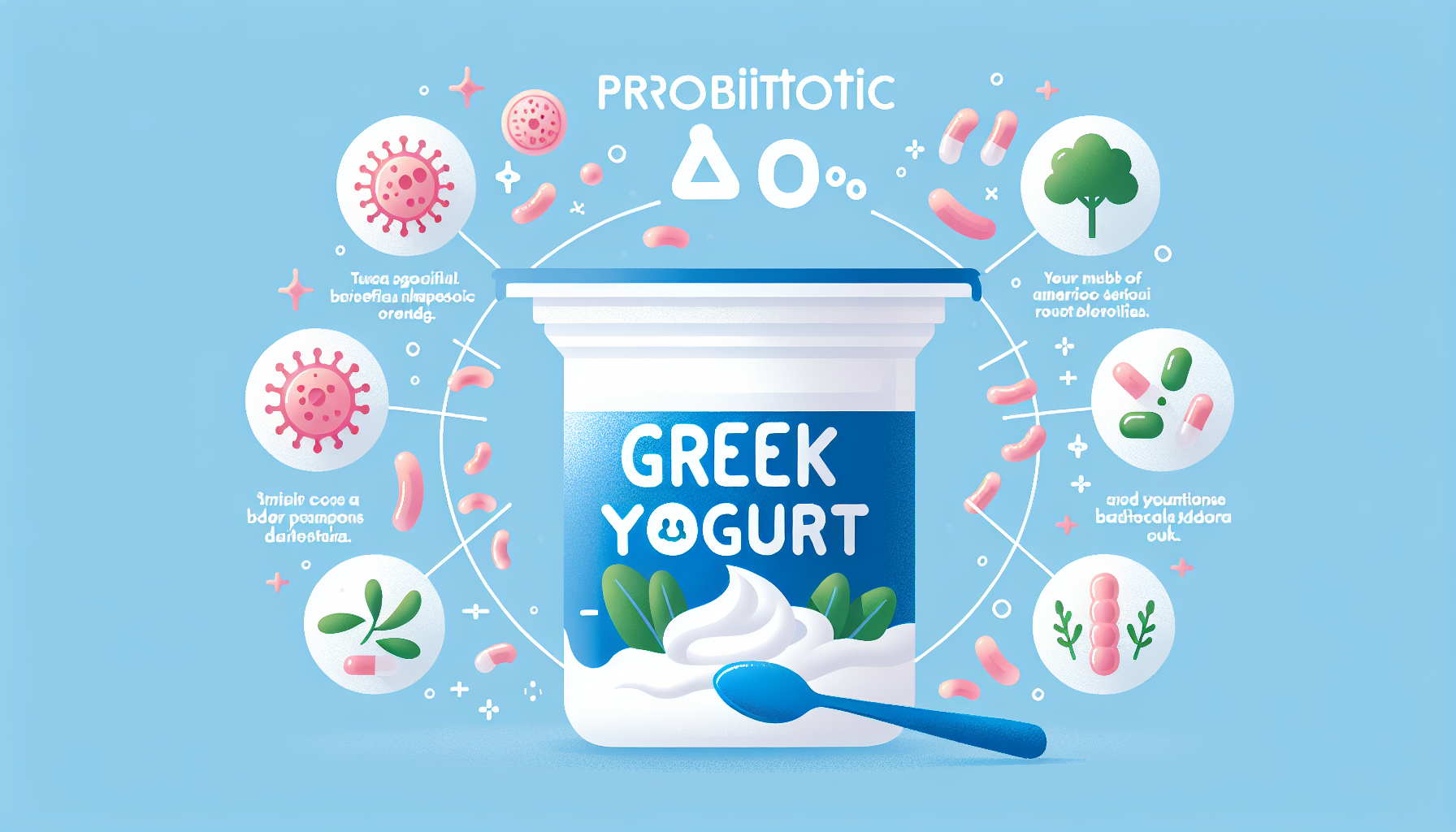
Probiotics are live microorganisms that provide health benefits when consumed in adequate amounts. They are often referred to as “good” bacteria because they help maintain a healthy balance in the gut microbiome. The gut is home to trillions of bacteria, both good and bad, and probiotics help to keep this balance in check by boosting the number of beneficial bacteria.
Probiotics can be found in various foods and supplements. They are naturally present in fermented foods like yogurt, kefir, sauerkraut, and miso. These microorganisms include strains of bacteria such as Lactobacillus and Bifidobacterium, as well as certain types of yeasts.
Importance of Probiotics
The importance of probiotics extends far beyond just gut health. They play a significant role in various bodily functions and can contribute to overall well-being. Here are some key benefits:
Gut Health and Digestion
Probiotics help maintain a healthy digestive system by balancing the gut microbiome. This can lead to improved digestion, reduced bloating, and relief from conditions like irritable bowel syndrome (IBS). For those struggling with digestive issues, incorporating probiotics into their diet can be beneficial.
Skin Health and Probiotics
Probiotics have been shown to have positive effects on skin health. They can help reduce inflammation, which is a common cause of skin conditions like acne and eczema. By maintaining a balanced gut, probiotics can also contribute to clearer and healthier skin.
Immune System Support
A significant portion of the immune system resides in the gut. Probiotics can help boost the immune system by promoting the growth of beneficial bacteria that support immune function. This can lead to a reduced risk of infections and illnesses.
| Benefit | Description |
|---|---|
| Gut Health | Improves digestion and reduces bloating |
| Skin Health | Reduces inflammation and promotes clearer skin |
| Immune Support | Boosts immune function and reduces infection risk |
Understanding the role and importance of probiotics can help individuals make informed choices about incorporating them into their daily routine. For more detailed information on specific types of probiotics and their effects, visit our section on types of probiotics.
Sources of Probiotics
Probiotics are live microorganisms that provide health benefits when consumed. They can improve gut health, aid digestion, and even enhance skin health. Here are some common sources of probiotics.
Yogurt and Live Cultures
Yogurt is a well-known source of probiotics, especially when it contains active or live cultures. These live cultures contribute to the yogurt’s probiotic benefits. It is important to choose yogurt labeled with “active” or “live cultures” for optimal benefits (Healthline). Additionally, yogurt may be suitable for individuals with lactose intolerance, as the lactose is converted into lactic acid during fermentation.
| Yogurt Type | Probiotic Content |
|---|---|
| Greek Yogurt | High |
| Regular Yogurt | Moderate |
| Plant-Based Yogurt | Varies |
For more details, check our article on probiotics.
Kefir and Its Benefits
Kefir is a fermented milk drink that is a richer source of probiotics compared to yogurt. It contains a diverse range of probiotic strains, making it highly beneficial for gut health. Kefir is also suitable for many individuals with lactose intolerance due to its lower lactose content.
| Beverage | Probiotic Count (CFU) |
|---|---|
| Kefir | Up to 20 billion |
| Yogurt | 1-5 billion |
Explore more about incorporating kefir into your diet in our section on probiotics.
Fermented Foods like Sauerkraut and Miso
Fermented foods are another excellent source of probiotics. Sauerkraut, a finely shredded cabbage fermented by lactic acid bacteria, provides probiotics along with fiber, vitamins C and K, sodium, iron, and potassium. It also contains antioxidants important for eye health.
Miso, a fermented soybean paste, is rich in protein, fiber, vitamins, and minerals. Studies suggest that miso may help protect against cancer, obesity, high blood pressure, and regulate cholesterol (Healthline).
| Fermented Food | Probiotic Benefits |
|---|---|
| Sauerkraut | Digestive health, antioxidant properties |
| Miso | Protein-rich, may protect against chronic diseases |
For more information on the health benefits of fermented foods, visit our article on probiotics.
Incorporating these probiotic-rich foods into your daily routine can offer substantial health benefits. Whether you choose yogurt, kefir, or fermented foods like sauerkraut and miso, each provides unique advantages for your gut health and overall well-being.
Health Benefits of Probiotics
Probiotics, live microorganisms that provide health benefits when consumed, offer a myriad of advantages for overall well-being. This section explores the primary health benefits of probiotics, focusing on gut health and digestion, skin health, and immune system support.
Gut Health and Digestion
Probiotics play a crucial role in maintaining a healthy gut microbiome, which is essential for digestive health. They aid in food movement through the gut by impacting the nerves that control gut movement. Probiotics are commonly used to treat conditions such as irritable bowel syndrome (IBS) and other digestive issues (WebMD).
A healthy gut microbiome with beneficial microbes can boost overall immunity, reduce inflammation, and maintain regular bowel movements. Stress and poor food choices can diminish the gut microbiome, making probiotics a recommended solution to restore balance. Daily probiotic supplements are taken by some individuals to maintain general wellness, particularly if prone to gut health issues.
| Condition | Probiotic Benefit |
|---|---|
| Irritable Bowel Syndrome (IBS) | Alleviates symptoms |
| General Digestive Health | Maintains regular bowel movements |
| Inflammation | Reduces inflammation |
Skin Health and Probiotics
Probiotics are not only beneficial for gut health but also have positive effects on skin health. They contribute to better-looking skin by potentially reducing inflammation and balancing the skin’s microbiome. A balanced skin microbiome can help manage conditions like acne, eczema, and rosacea.
Immune System Support
Probiotics interact with various body systems, including the immune system, to enhance overall health. A healthy gut microbiome can boost immunity and help the body fend off infections. Probiotics are recommended for individuals with symptoms of dysbiosis to bring the microbiome back to balance, especially after an illness or treatment that weakened the microbiome (Cleveland Clinic).
| Benefit | Probiotic Impact |
|---|---|
| Immune System | Boosts overall immunity |
| Inflammatory Response | Reduces inflammation |
Probiotics offer a comprehensive approach to health, supporting not only gut health and digestion but also skin health and the immune system. For more tips on incorporating probiotics into your routine, visit our article on probiotics.
Types of Probiotics
Probiotics are beneficial microorganisms that support various aspects of health, particularly gut health. Different types of probiotics have unique benefits and mechanisms of action. This section explores common probiotic types and their effects.
Lactobacillus and Bifidobacterium
Lactobacillus and Bifidobacterium are among the most widely studied probiotics. They are commonly found in yogurt and other dairy products (WebMD). Different strains of these probiotics offer various benefits:
| Strain | Benefits |
|---|---|
| Lactobacillus acidophilus | Aids in lactose digestion |
| Lactobacillus rhamnosus | Reduces diarrhea |
| Bifidobacterium longum | Eases symptoms of irritable bowel syndrome (IBS) |
These probiotics help maintain a healthy balance of gut bacteria, support digestion, and enhance the immune system. To learn more about probiotics in yogurt, visit our article on probiotics.
Saccharomyces boulardii
Saccharomyces boulardii is a yeast used in probiotics. It is effective in combating conditions like diarrhea and other digestive issues. Saccharomyces boulardii supports gut health by inhibiting the growth of harmful microorganisms and promoting beneficial bacteria.
| Strain | Benefits |
|---|---|
| Saccharomyces boulardii | Fights diarrhea and digestive problems |
Different Strains and Effects
Probiotics exert health effects through nonspecific, species-specific, and strain-specific mechanisms. These mechanisms include:
- Nonspecific Mechanisms: Inhibition of pathogenic microorganisms, production of bioactive metabolites, and reduction of luminal pH in the colon.
- Species-Specific Mechanisms: Vitamin synthesis, gut barrier reinforcement, bile salt metabolism, and toxin neutralization.
- Strain-Specific Mechanisms: Cytokine production, immunomodulation, and effects on the endocrine and nervous systems.
Probiotics are identified by their specific strain, which includes the genus, species, subspecies (if applicable), and an alphanumeric strain designation (NIH Office of Dietary Supplements).
| Core Genera | Common Strains |
|---|---|
| Lactobacillus | L. acidophilus, L. rhamnosus |
| Bifidobacterium | B. longum, B. bifidum |
| Saccharomyces | S. boulardii |
These different strains and their unique effects highlight the importance of selecting the right probiotic for specific health needs. For more information on incorporating probiotics into your daily routine, check out our article on probiotics.
Safety and Considerations
Who Should Consult a Doctor?
Probiotics are generally considered safe for most individuals, but there are certain groups who should exercise caution. People with immune system issues, those who have undergone surgery, and critically ill individuals should consult a doctor before taking probiotics. This is because these individuals are more susceptible to potential side effects, including serious infections.
| Group | Reason to Consult a Doctor |
|---|---|
| Individuals with weakened immune systems | Higher risk of infections |
| Post-surgery patients | Increased vulnerability to complications |
| Critically ill individuals | Potential for adverse effects |
Possible Side Effects
While probiotics are safe for most people, some may experience side effects, particularly when first starting to take them. Possible side effects include upset stomach, diarrhea, gas, bloating, and allergic reactions (WebMD).
| Side Effect | Description |
|---|---|
| Upset Stomach | Mild discomfort in the stomach area |
| Diarrhea | Frequent, loose bowel movements |
| Gas | Increased flatulence |
| Bloating | Feeling of fullness or swelling in the abdomen |
| Allergic Reactions | Skin rashes, itching, or other allergic symptoms |
Ensuring Quality and Safety
To ensure the quality and safety of probiotic products, it’s crucial to choose reputable brands and check for certifications. Probiotic products are not regulated by the FDA, so consumers should be vigilant about the sources of their supplements.
Key tips for ensuring quality and safety include:
- Check for third-party testing: Look for products that have been tested by independent laboratories.
- Read labels carefully: Ensure that the product lists the specific strains and CFU (colony-forming units) count.
- Consult a healthcare provider: Particularly if you fall into one of the high-risk groups mentioned above.
For more information on incorporating probiotics into your routine, visit our guide on probiotics.
Probiotics in Daily Life
Probiotics play a crucial role in maintaining a balanced gut microbiome, which can have numerous health benefits. Incorporating probiotics into your daily routine can help improve gut health, boost immunity, and support overall wellness.
Incorporating Probiotics in Your Routine
To incorporate probiotics into your daily routine, consider adding foods rich in live cultures to your diet. Options include:
- Yogurt with live cultures
- Kefir
- Sauerkraut
- Kimchi
- Miso
- Tempeh
These foods are not only delicious but also provide a natural source of beneficial bacteria. Including a variety of these foods in your diet can help maintain a healthy gut microbiome. For more information on the benefits of probiotics, visit our probiotics page.
Probiotic Supplements
In addition to consuming probiotic-rich foods, you can also consider taking probiotic supplements. Probiotic supplements come in various forms, including capsules, tablets, and powders. They contain specific strains of beneficial bacteria, which can help restore and maintain a healthy gut microbiome.
When selecting a probiotic supplement, consider the following factors:
- Strain diversity: Look for supplements that contain multiple strains of beneficial bacteria.
- CFU count: Check the colony-forming units (CFUs) to ensure an adequate amount of live bacteria.
- Storage requirements: Some probiotics need to be refrigerated to maintain potency.
- Quality and safety: Choose reputable brands that ensure the quality and safety of their products.
For more detailed information on choosing the right probiotic supplements, visit our probiotics page.
Importance of Consistency
Consistency is key when it comes to reaping the benefits of probiotics. Regular consumption of probiotic-rich foods or supplements can help maintain a balanced gut microbiome, which in turn supports overall health. According to the Cleveland Clinic, a healthy gut microbiome can boost immunity, reduce inflammation, and maintain regular bowel movements.
To ensure consistency, try incorporating probiotics into your daily routine by:
- Adding yogurt or kefir to your breakfast
- Including fermented vegetables in your meals
- Taking a daily probiotic supplement
Remember that maintaining a healthy gut microbiome requires ongoing effort. By making probiotics a regular part of your routine, you can enjoy the long-term health benefits they offer. For more tips on how to incorporate probiotics into your daily life, check out our probiotics page.
| Probiotic Source | Form | CFU Count (per serving) | Storage Requirements |
|---|---|---|---|
| Yogurt | Food | 1-10 billion | Refrigerated |
| Kefir | Beverage | 10-20 billion | Refrigerated |
| Sauerkraut | Food | 1-5 billion | Refrigerated |
| Probiotic Supplement | Capsule | 5-50 billion | Varies |
| Probiotic Supplement | Powder | 5-50 billion | Varies |
For more detailed information on the health benefits of probiotics, visit our probiotics page.