
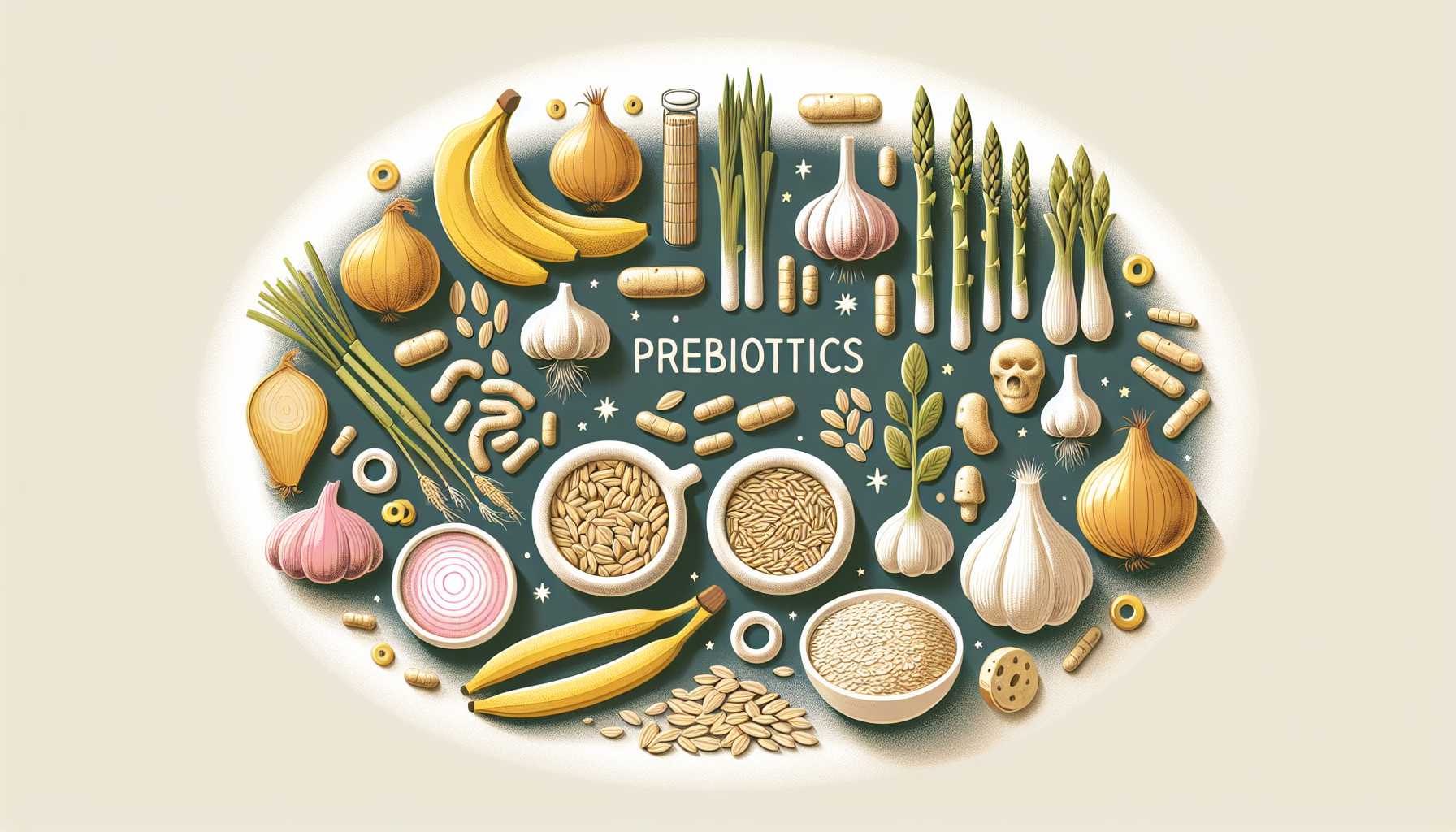
Understanding Prebiotics
What are Prebiotics?
Prebiotics are a type of dietary fiber that the human body cannot digest. They serve as nourishment for beneficial bacteria and other microorganisms in the gut, promoting a healthier digestive system. Unlike probiotics, which are live beneficial bacteria, prebiotics act as food for these bacteria, helping them to thrive and multiply.
Prebiotics are essential for maintaining gut health and supporting the body’s overall well-being. Consuming prebiotics has been linked to improved digestive health, fewer antibiotic-related complications, and enhanced immune function. They are commonly found in fiber-rich foods, such as fruits, vegetables, and whole grains, making it easier to incorporate them into daily diets.
Natural Sources of Prebiotics
Prebiotics naturally occur in a variety of foods, making it unnecessary for most people to rely on supplements. Here are some rich sources of prebiotics:
- Dandelion Greens: These greens are high in fiber and serve as excellent prebiotics. They support digestion and promote healthy gut bacteria.
- Garlic: Known for its ability to promote the growth of beneficial Bifidobacteria in the gut, garlic also helps prevent the growth of harmful bacteria (Healthline).
- Chicory Root: Comprising roughly 68% prebiotic fiber inulin, chicory root is effective in improving digestion, bowel function, and relieving constipation.
- Onions: These are rich in inulin and fructooligosaccharides (FOS), which aid in strengthening gut flora and breaking down fats.
- Jerusalem Artichokes: Also known as sunchokes, these are rich in inulin, promoting the growth of beneficial bacteria in the gut.
- Bananas: Particularly when underripe, bananas are a good source of prebiotic fiber.
- Whole Oats: They contain a substantial amount of beta-glucan fiber, which acts as a prebiotic.
- Apples: High in pectin, apples serve as a prebiotic and aid in digestion.
| Food | Prebiotic Content |
|---|---|
| Dandelion Greens | High |
| Garlic | Moderate |
| Chicory Root | Very High |
| Onions | High |
| Jerusalem Artichokes | High |
| Bananas | Moderate |
| Whole Oats | Moderate |
| Apples | Moderate |
Incorporating these foods into your diet can significantly enhance gut health and support a healthy digestive system. For more information on how to integrate prebiotic-rich foods, visit our section on Incorporating Prebiotic-Rich Foods.
Benefits of Prebiotics
Prebiotics play a crucial role in maintaining and enhancing overall health. They serve as food for beneficial gut bacteria, supporting the microbiome and providing numerous health benefits.
Gut Health Support
Prebiotics stimulate the growth and activity of beneficial microorganisms in the gut, promoting a healthy microbiome (Healthline). They help to improve various gut conditions such as constipation and irritable bowel syndrome (IBS). By increasing the population of good bacteria, prebiotics can help defend against pathogens and alleviate digestive issues (WebMD).
| Condition | Improvement Rate |
|---|---|
| Constipation | 30% |
| IBS | 25% |
Immune System Enhancement
Prebiotics influence immune function by supporting the activity of gut bacteria, which play a key role in the body’s immune response. These beneficial bacteria help in defending against harmful pathogens, thereby reducing the risk of infections and supporting overall immune health.
| Immune Function | Enhancement Rate |
|---|---|
| Pathogen Defense | 20% |
| Infection Risk Reduction | 15% |
Anti-inflammatory Properties
Prebiotics have anti-inflammatory properties that contribute to overall health. They allow gut bacteria to produce short-chain fatty acids like butyrate, acetate, and propionate, which can help reduce inflammation within the body (Healthline). This reduction in inflammation can aid in managing chronic conditions and improving metabolic health.
| Inflammation Marker | Reduction Rate |
|---|---|
| C-Reactive Protein | 10% |
| Cytokines | 15% |
For more information on how prebiotics support gut health and the immune system, explore our detailed guides on prebiotics. Additionally, learn about the recommended daily intake of prebiotics and how to incorporate prebiotic-rich foods into your diet.
Prebiotics vs. Probiotics
Understanding the distinction between prebiotics and probiotics is key to optimizing gut health. While both play crucial roles in maintaining a balanced gut microbiome, they function in complementary yet distinct ways.
Differentiating Prebiotics and Probiotics
Prebiotics are specialized plant fibers that act as food for the beneficial bacteria in the gut. These fibers are indigestible by the human body but are fermented by gut bacteria, promoting their growth and activity. Common prebiotics include inulin, fructo-oligosaccharides (FOS), and galacto-oligosaccharides (GOS). They are found in high-fiber foods such as fruits, vegetables, and whole grains.
Probiotics, on the other hand, are live beneficial bacteria that are introduced into the gut through certain foods or supplements. These microorganisms help maintain the natural balance of the gut microbiota, aiding in digestion and protecting against harmful bacteria.
| Aspect | Prebiotics | Probiotics |
|---|---|---|
| Definition | Indigestible plant fibers that feed beneficial bacteria | Live beneficial bacteria |
| Function | Stimulate growth and activity of gut bacteria | Maintain balance of gut microbiota |
| Sources | Vegetables, fruits, whole grains, legumes | Yogurt, kefir, fermented foods, supplements |
| Examples | Inulin, FOS, GOS | Lactobacillus, Bifidobacterium |
Complementary Roles in Gut Health
Prebiotics and probiotics work hand in hand to support a healthy gut. Prebiotics serve as the food source for probiotics, ensuring their survival and activity within the gut environment. When probiotics have access to adequate prebiotics, they can function more effectively, enhancing overall gut health.
The symbiotic relationship between prebiotics and probiotics is essential for maintaining a balanced gut microbiome. Prebiotics help increase the population of beneficial bacteria like Lactobacillus and Bifidobacterium, which in turn aid in digestion, improve mineral absorption, and strengthen the immune system. This interaction also helps control the growth of harmful bacteria and yeast, such as Candida, which can cause infections like oral thrush.
To maximize the benefits of both prebiotics and probiotics, it’s important to include a variety of prebiotic-rich foods in your diet. Foods like garlic, onions, dandelion greens, and asparagus are excellent sources of prebiotics. For more information on how to incorporate these foods into your diet, visit our section on incorporating prebiotic-rich foods.
By understanding the distinct and complementary roles of prebiotics and probiotics, individuals can make informed dietary choices to support their gut health. For further guidance on prebiotics and their benefits, visit our article on prebiotics.
Prebiotic Supplements
Effectiveness and Considerations
Prebiotic supplements are increasingly popular among adults looking to support their gut health. These supplements contain non-digestible fibers that promote the growth of beneficial bacteria in the gut, thereby enhancing overall digestive health. Prebiotics can be particularly beneficial for individuals with gut-related conditions and high blood sugar.
While prebiotics occur naturally in many foods, making supplements unnecessary for most people (Medical News Today), supplements can offer a convenient way to ensure adequate intake. Here are some considerations when choosing prebiotic supplements:
- Types of Prebiotics: Common prebiotics found in supplements include inulin, fructooligosaccharides (FOS), and galactooligosaccharides (GOS). Each type has unique properties and benefits.
- Dosage: It’s recommended to start with a low dose and gradually increase it to allow the digestive system to adapt.
- Form: Prebiotics are available in various forms, including powders, capsules, and chewables, allowing for easy incorporation into daily routines.
Potential Side Effects
While most prebiotics can be consumed without severe side effects, some individuals may experience mild gastrointestinal discomfort, such as bloating and gas. These side effects typically subside as the digestive system adapts to the increased intake of prebiotics.
| Potential Side Effects | Frequency | Recommended Action |
|---|---|---|
| Bloating | Common | Start with a lower dose and gradually increase |
| Gas | Common | Ensure adequate hydration |
| Diarrhea | Rare | Reduce dosage and consult a healthcare provider |
| Abdominal Pain | Rare | Reduce dosage and monitor symptoms |
The consumption of prebiotics has been shown to have beneficial effects on gastrointestinal disorders such as irritable bowel syndrome (IBS), Crohn’s disease, and necrotizing enterocolitis. Prebiotics also impact the immune system, nervous system, skin, cardiovascular system, and calcium absorption.
For those interested in incorporating prebiotics into their diet through natural sources, check out our section on dietary sources of prebiotics. Additionally, for more information on how prebiotics differ from probiotics and their complementary roles in gut health, visit our article on prebiotics vs. probiotics.
Incorporating Prebiotic-Rich Foods
Incorporating prebiotic-rich foods into your diet is an effective way to support your gut health. Prebiotics are nutrients that get broken down by gut bacteria and act as energy sources for the cells lining the colon, benefiting health in many ways. Here, we explore some of the best sources of prebiotics, including dandelion greens, garlic, chicory root, and onions.
Dandelion Greens and Garlic
Dandelion greens and garlic are excellent sources of prebiotics. Dandelion greens contain inulin, a type of fiber that promotes the growth of beneficial bacteria in the gut. In addition to their prebiotic properties, dandelion greens also have antioxidant properties that can prevent cell damage and decrease the risk of diseases such as cancer, cardiovascular disease, and Alzheimer’s.
Garlic, another powerful prebiotic, contains fructo-oligosaccharides (FOS) that stimulate the growth of beneficial bacteria. Consuming garlic can enhance the balance of the gut microbiome, promoting a healthy digestive system.
| Food | Prebiotic Content (g per 100g) |
|---|---|
| Dandelion Greens | 4 |
| Garlic | 17 |
Chicory Root and Onions
Chicory root is one of the richest sources of inulin, making it a potent prebiotic food. Consuming chicory root can significantly increase the levels of beneficial bacteria in the gut, supporting overall digestive health.
Onions are another versatile and widely available source of prebiotics. They contain both inulin and FOS, which help nourish the beneficial bacteria in the gut. Including onions in your diet can help improve gut health and enhance immune function.
| Food | Prebiotic Content (g per 100g) |
|---|---|
| Chicory Root | 36 |
| Onions | 8 |
By incorporating these prebiotic-rich foods into your diet, you can support a healthy gut microbiome and improve your overall digestive health. For more information on the benefits of prebiotics and how to incorporate them into your diet, visit our article on prebiotics.
Recommended Daily Intake of Prebiotics
Dietary Sources of Prebiotics
Prebiotics are high fiber foods that serve as nourishment for probiotics, allowing them to thrive and support gut health. Consuming 3 to 5 grams of prebiotics daily is beneficial for gut health, immune system support, and maintaining a healthy digestive system. Here are some dietary sources rich in prebiotics:
| Food | Prebiotic Content (grams per 100g) |
|---|---|
| Dandelion Greens | 4 |
| Garlic | 12.5 |
| Chicory Root | 64.6 |
| Onions | 8.6 |
| Jerusalem Artichokes | 31.5 |
| Bananas | 0.5 |
| Whole Oats | 4 |
| Apples | 2 |
For a comprehensive understanding of prebiotics, refer to our detailed guide on prebiotics.
Prebiotic Supplements Guidelines
Prebiotic supplements provide a convenient way to ensure adequate intake of prebiotics, especially for those who may not get enough through diet alone. The typical recommended daily intake of fiber to obtain prebiotics is between 25 grams and 38 grams per day (Verywell Health). However, prebiotic supplements usually provide a dose of about four to five grams per day.
When considering prebiotic supplements, it’s important to follow these guidelines:
- Dosage: Start with a lower dose and gradually increase to the recommended amount to avoid gastrointestinal discomfort.
- Type: Choose supplements that contain natural prebiotics like inulin, fructooligosaccharides (FOS), and galactooligosaccharides (GOS).
- Quality: Opt for high-quality supplements from reputable brands to ensure purity and efficacy.
For more information on the benefits and potential side effects of prebiotic supplements, visit our section on prebiotic nutritional supplements.
Incorporating both dietary sources and supplements can help you achieve the recommended daily intake of prebiotics, supporting your gut health and overall well-being. For more tips on incorporating prebiotic-rich foods into your diet, check out our articles on prebiotics.