
Understanding Prebiotics
Definition of Prebiotics
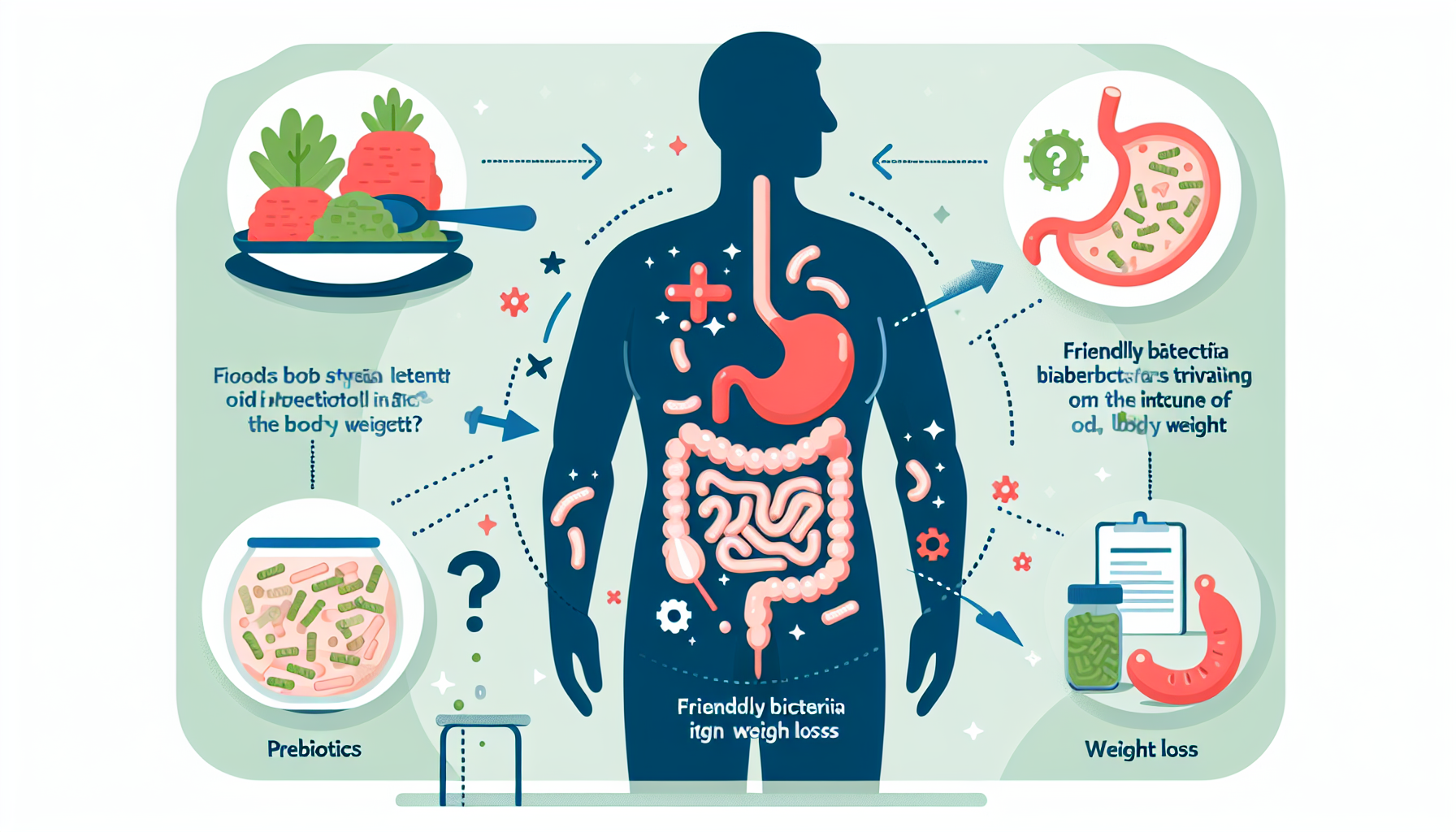
Prebiotics are specialized plant fibers that act as food for the beneficial bacteria in the gut, stimulating their growth and activity. Unlike probiotics, which add live bacteria to the gut, prebiotics primarily consist of fibers or complex carbohydrates that the human body cannot digest. These fibers pass through the upper part of the gastrointestinal tract undigested and reach the colon, where they serve as a food source for the good bacteria already present.
Some common sources of prebiotics include:
- Chicory root
- Garlic
- Onions
- Asparagus
- Bananas
Importance of Prebiotics in Gut Health
Prebiotics play a crucial role in maintaining and enhancing gut health. By serving as nourishment for beneficial bacteria like Lactobacillus and Bifidobacterium, prebiotics promote the production of essential nutrients such as short-chain fatty acids (SCFAs) like butyrate, acetate, and propionate. These SCFAs are vital for the overall health of colon cells and the digestive system.
Key benefits of prebiotics in gut health:
- Improved Digestion: Prebiotics aid in the breakdown and absorption of nutrients, leading to a healthier digestive system.
- Constipation Relief: By stimulating the growth of beneficial bacteria, prebiotics help to ease constipation and promote regular bowel movements.
- Enhanced Mineral Absorption: Prebiotics improve the absorption of essential minerals like calcium and magnesium, contributing to better bone health.
- Cholesterol Regulation: Prebiotics can help regulate cholesterol levels by promoting the growth of specific bacteria that metabolize bile acids.
- Strengthened Immune System: By supporting the growth of healthy gut bacteria, prebiotics enhance the body’s immune response.
For more information on the benefits of prebiotics, check out our section on prebiotics and overall wellness.
By incorporating prebiotic-rich foods and prebiotic supplements into your diet, you can support your gut health and overall well-being. For a deeper dive into the differences between prebiotics and probiotics, visit our article on prebiotics vs. probiotics.
Prebiotic-Rich Foods
Including prebiotic-rich foods in your diet can significantly improve your gut health. Here are some key foods that are high in prebiotic content.
Chicory Root Fiber
Chicory root fiber is a potent source of inulin, a prebiotic fiber that makes up about 68% of its composition. Inulin aids in improved digestion, bowel function, and relief from constipation. It is often used as an additive in foods and beverages to boost fiber content.
| Nutrient | Amount per 100g |
|---|---|
| Inulin (prebiotic fiber) | 68g |
| Calories | 17 |
| Carbohydrates | 4g |
| Protein | 0.6g |
Garlic as a Prebiotic
Garlic is not only a flavorful addition to meals but also a powerful prebiotic. It promotes the growth of beneficial Bifidobacteria in the gut while inhibiting the growth of harmful bacteria (Healthline). Incorporating garlic into your diet can enhance overall digestive health and support a balanced gut microbiome.
| Nutrient | Amount per 100g |
|---|---|
| Prebiotic Fiber | 17.5g |
| Calories | 149 |
| Carbohydrates | 33g |
| Protein | 6.4g |
Pectin in Apples
Apples are rich in pectin, a soluble fiber with prebiotic properties. Pectin increases the production of butyrate, a short-chain fatty acid that nourishes beneficial gut bacteria and reduces harmful bacteria. Eating apples regularly can contribute to a healthier gut environment.
| Nutrient | Amount per 100g |
|---|---|
| Pectin (prebiotic fiber) | 2.4g |
| Calories | 52 |
| Carbohydrates | 14g |
| Protein | 0.3g |
Wheat Bran for Gut Health
Wheat bran is high in arabinoxylan oligosaccharides (AXOS) fiber, which boosts healthy Bifidobacteria in the gut. It also increases the presence of Bifidobacterium in fecal matter, leading to softer stools and better bowel movement (Healthline). Integrating wheat bran into your diet can support digestive health and regularity.
| Nutrient | Amount per 100g |
|---|---|
| AXOS (prebiotic fiber) | 25g |
| Calories | 216 |
| Carbohydrates | 64g |
| Protein | 15g |
Incorporating these prebiotic-rich foods into your daily diet can enhance gut health and overall well-being. For more information on prebiotics, visit our comprehensive guide on prebiotics.
Health Benefits of Prebiotics
Prebiotics play a significant role in maintaining and improving overall health, particularly in areas such as digestion, immune support, and metabolic health.
Digestive Health
Prebiotics are essential for a healthy digestive system. They serve as food for beneficial gut bacteria, which in turn produce short-chain fatty acids (SCFAs) like butyrate, acetate, and propionate. These SCFAs nourish colon cells and promote a healthier digestive tract. Prebiotics can also help alleviate constipation, improve mineral absorption, and regulate cholesterol levels.
| Benefit | Mechanism |
|---|---|
| Improved Digestion | Production of SCFAs |
| Eased Constipation | Increased gut motility |
| Better Mineral Absorption | Enhanced gut health |
| Cholesterol Regulation | SCFA production |
Immune System Support
Prebiotics contribute to a robust immune system by stimulating the growth of beneficial bacteria like Lactobacillus and Bifidobacterium. These bacteria play a pivotal role in defending against pathogens and maintaining gut integrity. By supporting the gut microbiome, prebiotics strengthen the body’s immune response and help in managing gut-related conditions such as inflammatory bowel diseases (News-Medical).
| Immune Benefit | Mechanism |
|---|---|
| Enhanced Immunity | Growth of beneficial bacteria |
| Reduced Inflammation | SCFA production |
| Gut Integrity | Nourishment of bowel wall |
Metabolic Health Benefits
Prebiotics also have significant metabolic health benefits. They help regulate blood sugar, cholesterol, and triglyceride levels, contributing to overall metabolic health. Additionally, prebiotics have shown potential in managing obesity by improving gut barrier integrity, reducing low-grade inflammation, and promoting weight loss. They achieve this by increasing the secretion of satiety-promoting peptides like GLP-1 and PYY and decreasing the production of ghrelin.
| Metabolic Benefit | Mechanism |
|---|---|
| Blood Sugar Regulation | Enhanced gut health |
| Cholesterol Management | SCFA production |
| Weight Management | Secretion of satiety peptides |
Prebiotics are a powerful tool for enhancing digestive health, supporting the immune system, and improving metabolic functions. For more detailed information on prebiotics, explore other sections of our article.
Prebiotics vs. Probiotics
Differentiating Between Prebiotics and Probiotics
Understanding the difference between prebiotics and probiotics is essential for anyone looking to improve their gut health.
Prebiotics are specialized plant fibers that act as food for the good bacteria in the gut. These fibers stimulate the growth of preexisting beneficial bacteria, promoting a healthier digestive system. Prebiotics are not living organisms; they are naturally occurring components found in many fruits, vegetables, and whole grains.
On the other hand, probiotics are living strains of bacteria that add to the population of good bacteria in the digestive system. These microorganisms are found in fermented foods like yogurt, kimchi, and sauerkraut, and they help maintain gut health by increasing the number of beneficial bacteria while decreasing harmful ones.
| Feature | Prebiotics | Probiotics |
|---|---|---|
| Definition | Specialized plant fibers | Living strains of bacteria |
| Function | Feed good bacteria in the gut | Increase population of good bacteria in the gut |
| Source | Fruits, vegetables, whole grains | Fermented foods like yogurt, kimchi, sauerkraut |
| Role | Promote growth of healthy bacteria | Maintain balance of gut microbiome |
For more details on the specific benefits of prebiotics, you can explore our section on prebiotics.
Synergistic Relationship between Prebiotics and Probiotics
Prebiotics and probiotics work together synergistically to support gut health. This relationship is often referred to as a synbiotic relationship.
Prebiotics serve as the fuel or “fertilizer” that allows probiotics to thrive. When prebiotics are consumed, they help gut bacteria produce nutrients for colon cells, leading to a healthier digestive system (Healthline). These nutrients include short-chain fatty acids like butyrate, acetate, and propionate, which are crucial for colon health.
Probiotics, on the other hand, help support the composition of bacteria in the gut. They increase the amount of beneficial bacteria and decrease harmful ones, creating a balanced gut microbiome. When combined, prebiotics and probiotics enhance each other’s effectiveness, leading to improved digestive health, immune function, and overall well-being (Healthline).
Consuming both prebiotic and probiotic-rich foods is a simple way to increase the intake of these beneficial components. For tips on how to incorporate them into your diet, visit our article on prebiotics.
By understanding the differences and the synergistic relationship between prebiotics and probiotics, individuals can make informed decisions about their dietary choices to support a healthy gut.
Prebiotics and Gut Conditions
Prebiotics play a significant role in maintaining gut health and can be particularly beneficial for individuals with specific gut conditions. This section explores the role of prebiotics in irritable bowel syndrome (IBS), their potential benefits for inflammatory bowel disease (IBD), and side effects and management.
Role in Irritable Bowel Syndrome (IBS)
Prebiotics may play a role in the treatment of irritable bowel syndrome (IBS). However, the results are mixed. Some studies suggest that prebiotics can worsen IBS symptoms due to their high carbohydrate content. On the other hand, they may help ease gut inflammation and improve gut health.
Potential Benefits for Inflammatory Bowel Disease (IBD)
Prebiotics have shown potential in managing inflammatory bowel diseases (IBD) such as Crohn’s disease and ulcerative colitis. They can modify the composition or activity of gut microflora, stimulate the production of short-chain fatty acids (SCFA), and nourish the bowel wall. These effects may help reduce gut inflammation and alleviate symptoms associated with IBD (News-Medical).
Side Effects and Management
Prebiotics are generally considered safe and can be beneficial for gut health. However, consuming large doses may lead to symptoms like gas, cramps, diarrhea, and bloating. The likelihood of side effects depends on factors such as the molecular structure or chain length of the prebiotic and the dosage. To minimize digestive side effects, it is recommended to start with smaller doses and gradually increase the amount over time.
| Side Effect | Likelihood (High Dose) |
|---|---|
| Gas | High |
| Cramps | Moderate |
| Diarrhea | Low |
| Bloating | Moderate |
For more information on how prebiotics can benefit your gut health, check out our detailed article on prebiotics.
Prebiotics and Overall Wellness
Prebiotics for Obesity Management
Prebiotics have shown therapeutic potential for obesity by improving gut barrier integrity, reducing low-grade inflammation, and promoting weight loss. They achieve this by increasing the secretion of satiety-promoting peptides like GLP-1 and PYY, while decreasing the production of ghrelin. These changes help in regulating appetite and enhancing energy expenditure.
| Mechanism | Effect |
|---|---|
| Gut Barrier Integrity | Improved |
| Low-Grade Inflammation | Reduced |
| Satiety Peptides (GLP-1, PYY) | Increased |
| Ghrelin Production | Decreased |
For more insights on the benefits of prebiotics, visit our detailed article on the topic.
Impact on Colon Cancer Prevention
Prebiotics have shown potential in diseases such as colorectal cancer by modifying the composition or activity of the microflora, stimulating the production of SCFA (short-chain fatty acids), and nourishing the bowel wall (News-Medical). These actions may aid in preventing the development of colon cancer.
| Benefit | Mechanism |
|---|---|
| Modification of Microflora | Promotes healthy gut bacteria |
| SCFA Production | Enhances gut health |
| Bowel Wall Nourishment | Supports intestinal integrity |
Explore more about how prebiotics can contribute to gut health and overall wellness.
Considerations for Prebiotic Supplements
Prebiotics are generally considered safe, even for pregnant and lactating individuals. However, taking large doses may lead to symptoms like gas, cramps, diarrhea, and bloating. The likelihood of side effects depends on factors such as the molecular structure or chain length of the prebiotic and the dosage (Healthline).
| Dosage | Potential Side Effects |
|---|---|
| Small | Minimal to None |
| Large | Gas, Cramps, Diarrhea, Bloating |
For those interested in starting prebiotic supplements, it is recommended to start with smaller doses and gradually increase the amount over time to minimize digestive side effects. Always consult with a healthcare professional before beginning any new supplement regimen to determine if it is appropriate for your specific health needs.
Learn more about various prebiotics and how they can benefit your health.