
Understanding Prebiotics
What are Prebiotics?
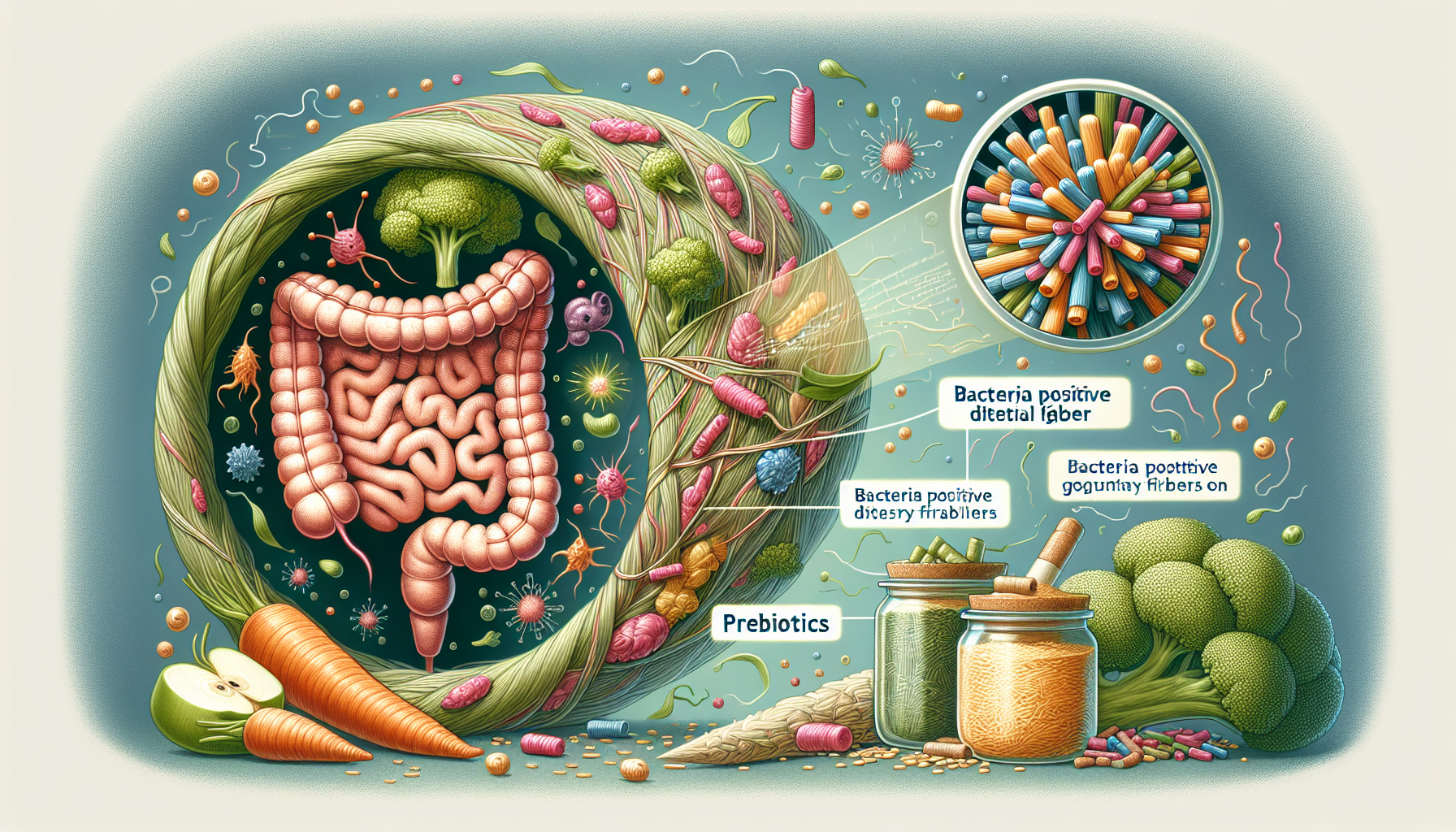
Prebiotics are a type of dietary fiber found in various foods such as vegetables, fruits, and legumes. They serve as food for the beneficial bacteria in your gut, helping these microorganisms thrive and maintain a healthy digestive system. Unlike probiotics, which are live microorganisms, prebiotics are non-digestible fibers that pass through the upper part of the gastrointestinal tract and stimulate the growth and activity of beneficial bacteria in the colon.
Prebiotics are primarily composed of complex carbohydrates like inulin, fructooligosaccharides (FOS), and galactooligosaccharides (GOS). These fibers are resistant to digestion, allowing them to reach the colon intact, where they are fermented by the gut microbiota. This fermentation process produces short-chain fatty acids (SCFAs) such as butyrate, acetate, and propionate, which provide numerous health benefits (Healthline).
Importance of Prebiotics
The importance of prebiotics cannot be overstated when it comes to maintaining gut health and overall well-being. By fostering a healthy gut microbiome, prebiotics contribute to improved digestion, better nutrient absorption, and enhanced immune function (Lifespan.org).
-
Digestive Health: Prebiotics help in maintaining a balanced gut microbiome, which is essential for efficient digestion and nutrient absorption. They also aid in relieving constipation and preventing gastrointestinal disorders like irritable bowel syndrome (IBS) and inflammatory bowel disease (IBD).
-
Immune System Support: A healthy gut microbiome plays a crucial role in supporting the immune system. Prebiotics promote the growth of beneficial bacteria that help ward off pathogens and reduce inflammation. This, in turn, strengthens the immune system and enhances the body’s ability to fight infections.
-
Metabolic Health: Prebiotics contribute to metabolic health by helping regulate blood sugar levels and reducing the risk of metabolic disorders such as obesity and type 2 diabetes. The production of SCFAs during the fermentation of prebiotics has been shown to positively impact metabolic processes and improve insulin sensitivity.
-
Bone Health: Prebiotics also play a role in enhancing bone health by improving the absorption of essential minerals like calcium and magnesium. This is particularly important for maintaining strong bones and preventing conditions like osteoporosis.
| Health Benefit | Description |
|---|---|
| Digestive Health | Improves digestion, prevents constipation, and reduces the risk of IBS and IBD |
| Immune System Support | Enhances immune function, reduces inflammation, and helps fight infections |
| Metabolic Health | Regulates blood sugar levels, reduces the risk of obesity and type 2 diabetes |
| Bone Health | Improves absorption of calcium and magnesium, supports bone strength |
For more information on the relationship between prebiotics and probiotics, check out our section on Prebiotics vs. Probiotics. To explore the various food sources rich in prebiotics, visit the Food Sources of Prebiotics section.
Prebiotics vs. Probiotics
Complementary Roles
Prebiotics and probiotics play crucial roles in maintaining gut health. While they are often mentioned together, they serve different functions. Prebiotics are high-fiber foods that act as “food” for probiotics. Examples of prebiotic foods include fruits, vegetables, and whole grains. On the other hand, probiotics are live organisms that add to the existing amount of beneficial microbes in the gut.
Prebiotics act as fertilizers, encouraging the growth of good bacteria in the gut. By providing a food source, prebiotics help probiotics to thrive and multiply, thus enhancing their effectiveness. Both prebiotics and probiotics are essential for a balanced gut microbiome, which is crucial for digestion, nutrient absorption, and reducing the risk of diseases like Crohn’s disease, ulcerative colitis, and irritable bowel syndrome.
Relationship in Gut Health
The gut microbiome is a micro-ecosystem consisting of microscopic organisms and bacteria that aid in digestion, nutrient intake, and overall physical health. A balanced microbiome is essential for reducing the risk of heart and kidney diseases. Probiotics contribute to this balance by adding beneficial bacteria to the gut, while prebiotics support the existing good bacteria by providing them with the necessary nutrients to function effectively.
Prebiotics and probiotics work synergistically to improve gut health. Prebiotics not only help in the growth of probiotics but also enhance their survival in the gut. This relationship is essential for maintaining a healthy gut environment, which in turn supports overall well-being.
| Function | Prebiotics | Probiotics |
|---|---|---|
| Type | High-fiber foods | Live organisms |
| Role | Food for probiotics | Add beneficial bacteria |
| Examples | Fruits, vegetables, whole grains | Yogurt, kefir, sauerkraut |
| Benefits | Supports existing good bacteria | Adds to the gut microbiome |
| Impact | Enhances probiotic effectiveness | Improves gut health |
For more detailed information on the benefits of prebiotics and probiotics, you can visit our section on prebiotics.
By understanding the complementary roles of prebiotics and probiotics, individuals can take informed steps to support their gut health. Incorporating both into their diet can lead to a balanced and healthy microbiome, crucial for overall well-being. For tips on incorporating these into your diet, check out our articles on prebiotics and probiotics.
Benefits of Prebiotics
Prebiotics play a crucial role in maintaining overall health by supporting the growth of beneficial bacteria in the gut. This section will explore the various benefits of prebiotics, focusing on digestive health, immune system support, and metabolic health.
Digestive Health
Prebiotics are essential for promoting digestive health. They support the growth of beneficial bacteria in the gut, which helps in digestion and nutrient absorption. Studies have shown that prebiotics can improve gut conditions such as constipation. Treatment with inulin, a type of prebiotic, may benefit individuals with irritable bowel syndrome (IBS) by improving stool frequency and consistency.
| Digestive Benefits | Details |
|---|---|
| Improved Stool Frequency | Inulin-type prebiotics can enhance stool frequency |
| Better Stool Consistency | Helps in making stool softer and easier to pass |
| Enhanced Transit Time | Reduces the time it takes for food to move through the digestive tract |
For more information on how prebiotics support digestive health, visit our page on prebiotics.
Immune System Support
Prebiotics also play a significant role in strengthening the immune system. By increasing the population of beneficial bacteria, prebiotics help to ward off pathogens and reduce inflammation. This, in turn, enhances overall immunity. Prebiotics have been shown to impact systems involved in allergic disease development, thereby helping with allergy prevention and symptoms of eczema. They also induce the expression of cytokines, which are critical in immune response.
Metabolic Health
Prebiotics contribute to improved metabolic health by supporting the production of short-chain fatty acids (SCFAs) that provide energy to colon cells and reduce inflammation. These SCFAs enhance metabolic processes and improve overall health (Lifespan.org). Studies have shown that prebiotics like Inulin-type fructans (ITF) can significantly reduce fasting blood sugar, glycosylated hemoglobin (HbA1c), and fasting insulin levels in people with prediabetes and type 2 diabetes (Healthline).
| Metabolic Benefits | Details |
|---|---|
| Reduced Fasting Blood Sugar | ITF prebiotics help in lowering blood sugar levels |
| Lower HbA1c Levels | Reduces glycosylated hemoglobin in diabetics |
| Improved Insulin Sensitivity | Helps in managing insulin levels effectively |
To learn more about the metabolic benefits of prebiotics, check our detailed guide on prebiotics.
By incorporating prebiotics into their diet, individuals can experience a wide range of health benefits, from improved digestion and enhanced immunity to better metabolic health. For a deeper understanding of prebiotics and their role in gut health, visit our extensive resources on prebiotics.
Food Sources of Prebiotics
Prebiotics are essential for maintaining a healthy gut and supporting the growth of beneficial bacteria. This section explores various food sources rich in prebiotics, categorized into fruits and vegetables, whole grains, and legumes.
Fruits and Vegetables
Fruits and vegetables are some of the best sources of prebiotics. They contain fibers and compounds that promote the growth of beneficial gut bacteria.
- Chicory Root: Contains about 68% fiber from inulin, which improves digestion and relieves constipation. (Healthline)
- Garlic: Promotes the growth of beneficial Bifidobacteria and prevents the growth of harmful bacteria. (Healthline)
- Apples: Rich in pectin, a soluble fiber that increases the production of short-chain fatty acids and reduces harmful bacteria. (Healthline)
| Food Source | Prebiotic Fiber Content |
|---|---|
| Chicory Root | 68% Inulin |
| Garlic | Promotes Bifidobacteria |
| Apples | Pectin |
For more information on how prebiotics impact gut health, see our section on Prebiotics and Gut Microbiome.
Whole Grains
Whole grains are another excellent source of prebiotics. They contain fibers that serve as food for beneficial gut bacteria.
- Wheat Bran: Contains arabinoxylan oligosaccharides (AXOS) which boost healthy Bifidobacteria and improve digestion. (Healthline)
| Whole Grain | Prebiotic Fiber Content |
|---|---|
| Wheat Bran | Arabinoxylan Oligosaccharides |
For more benefits of prebiotics, check out our section on Benefits of Prebiotics.
Legumes
Legumes are rich in prebiotic fibers that support gut health.
- Chickpeas: High in various fibers that foster the growth of beneficial bacteria.
| Legume | Prebiotic Fiber Content |
|---|---|
| Chickpeas | Various Fibers |
For additional ways to support your gut health, explore our article on prebiotics.
Incorporating these prebiotic-rich foods into your diet can help maintain a healthy gut and support your overall well-being. For more information on how prebiotics can benefit your health, visit our section on Prebiotics and Health Conditions.
Prebiotics and Gut Microbiome
Prebiotics play a crucial role in maintaining and enhancing gut health by supporting the growth of beneficial bacteria in the microbiome. This section delves into the impact of prebiotics on microbial balance and their role in short-chain fatty acid production.
Impact on Microbial Balance
The gut microbiome is a complex ecosystem of microorganisms and bacteria that aid in digestion, nutrient absorption, and overall health. Prebiotics are non-digestible food components that promote the growth of beneficial bacteria in the gut (Healthline). By serving as a food source for probiotics, prebiotics help maintain a balanced microbiome, which is essential for reducing the risk of various health conditions such as Crohn’s disease, ulcerative colitis, and irritable bowel syndrome (Lifespan.org).
A balanced microbiome, supported by prebiotics, is also crucial for reducing the risk of heart and kidney diseases (Lifespan.org). The presence of a diverse range of healthy bacteria aids in maintaining gut health and improving overall physical well-being.
| Health Conditions | Impact of Prebiotics |
|---|---|
| Crohn’s Disease | Reduces risk |
| Ulcerative Colitis | Reduces risk |
| Irritable Bowel Syndrome | Alleviates symptoms |
| Heart Disease | Reduces risk |
| Kidney Disease | Reduces risk |
Short-Chain Fatty Acid Production
Prebiotics stimulate the growth of healthy bacteria in the gut, which in turn produce short-chain fatty acids (SCFAs). SCFAs are essential for providing energy to colon cells, reducing inflammation, and enhancing immunity, thus improving metabolic and overall health (Lifespan.org). These fatty acids affect not only the gastrointestinal tract but also other distant organs, highlighting their systemic benefits.
SCFAs, such as acetate, propionate, and butyrate, play a vital role in maintaining gut health by:
- Providing energy to colon cells
- Reducing inflammation
- Enhancing immunity
| Short-Chain Fatty Acid | Function |
|---|---|
| Acetate | Provides energy to colon cells |
| Propionate | Reduces inflammation |
| Butyrate | Enhances immunity |
Prebiotics are essential to a healthy microbiome, and their benefits extend beyond just gut health. By supporting the growth of beneficial bacteria and promoting the production of SCFAs, prebiotics contribute to overall health and well-being. For more information on the benefits of prebiotics, visit our prebiotics page.
Prebiotics and Health Conditions
Inflammatory Conditions
Prebiotics can play a significant role in managing inflammatory conditions by reducing inflammation and fortifying the immune system. According to WebMD, prebiotics may help in preventing allergies and mitigating symptoms of eczema. They impact systems involved in allergic disease development, offering relief and protection from various inflammatory conditions.
Metabolic Disorders
Prebiotics can also improve metabolic health. Inulin-type fructans (ITF), a type of prebiotic, have been shown to significantly reduce fasting blood sugar, glycosylated hemoglobin (HbA1c), and fasting insulin levels in individuals with prediabetes and type 2 diabetes (Healthline). This makes them a valuable dietary component for managing and potentially reversing metabolic disorders.
| Metabolic Marker | Effect of ITF |
|---|---|
| Fasting Blood Sugar | Significant Reduction |
| Glycosylated Hemoglobin (HbA1c) | Significant Reduction |
| Fasting Insulin Levels | Significant Reduction |
Bone Health
Prebiotics can also contribute to bone health. By feeding the intestinal microbiota, prebiotics lead to the production of short-chain fatty acids, which have beneficial effects beyond the gastrointestinal tract. These short-chain fatty acids can enhance the absorption of minerals like calcium and magnesium, which are crucial for maintaining strong and healthy bones.
For more information on how prebiotics can improve various health conditions, check out our section on the importance of prebiotics. If you’re interested in incorporating more prebiotics into your diet, visit our guide on prebiotic food sources.