
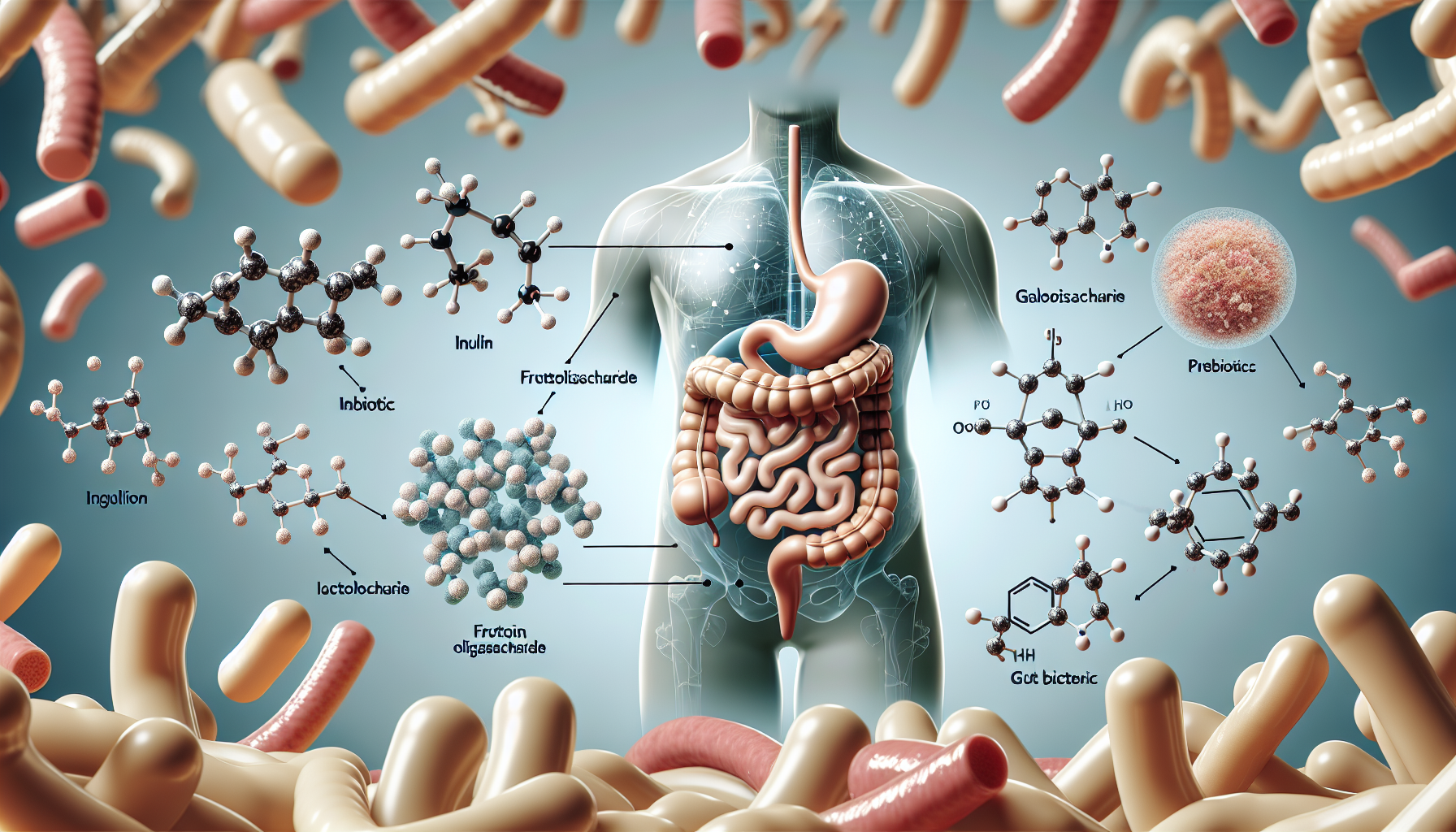
Understanding Prebiotics and Gut Health
What are Prebiotics?
Prebiotics are specialized plant fibers that act as food for the beneficial bacteria in the gut. They stimulate the growth of preexisting good bacteria, helping to maintain a healthy gut microbiome. Unlike probiotics, which are live strains of bacteria, prebiotics serve as a food source for these beneficial microorganisms.
| Component | Description |
|---|---|
| Prebiotics | Specialized plant fibers, food for good bacteria |
| Probiotics | Live strains of beneficial bacteria |
For more information on the importance of prebiotics, visit our detailed guide on prebiotics.
Role of Prebiotics in Gut Health
Prebiotics play a crucial role in maintaining gut health by providing the necessary nutrients for probiotics. These fibers support the growth and activity of beneficial bacteria, which in turn contribute to a balanced gut environment.
The benefits of prebiotics extend beyond just gut health. They help improve overall health by reducing inflammation, promoting immunity, providing energy to colon cells, and producing necessary mucus. In essence, prebiotics act as fertilizers that help good bacteria flourish in the gut.
For a comprehensive look at how prebiotics can benefit your digestive health and beyond, check our section on prebiotics.
By understanding what prebiotics are and their role in gut health, individuals can make informed decisions about incorporating these beneficial fibers into their diet. Whether through natural food sources or supplements, supporting the gut microbiome with prebiotics is a step towards better health. For more on how prebiotics differ from probiotics, explore our comparison of prebiotics vs. probiotics.
Benefits of Prebiotics
Prebiotics are nutrients that get broken down by gut bacteria and act as energy sources for the cells lining the colon, benefiting health in many ways. Here we explore the various benefits of prebiotics, from digestive health improvements to immune system support and metabolic health enhancement.
Digestive Health Benefits
Prebiotics play a significant role in promoting digestive health. They influence the makeup and function of gut bacteria, promoting the growth of beneficial microbes (Healthline). This can lead to several digestive health benefits:
- Improved Stool Consistency: Prebiotics can help with conditions such as constipation by improving stool consistency and intestinal transit time.
- Enhanced Nutrient Absorption: Prebiotics allow gut bacteria to produce nutrients for colon cells, leading to a healthier digestive system. These nutrients include short-chain fatty acids like butyrate, acetate, and propionate.
| Benefit | Description |
|---|---|
| Improved Stool Consistency | Enhances intestinal transit time and stool consistency |
| Enhanced Nutrient Absorption | Supports the production of short-chain fatty acids |
Immune System Support
Prebiotics have potential benefits for immune function. By promoting the growth of beneficial gut bacteria, prebiotics can help in:
- Boosting Immune Response: A healthy gut microbiome is crucial for a robust immune system. Prebiotics can enhance the body’s ability to fight off infections.
- Reducing Inflammation: Prebiotics may help in reducing systemic inflammation, which is linked to various chronic diseases.
While more research is needed to confirm these effects, prebiotics show promising potential in supporting overall immune health (Healthline).
Metabolic Health Improvement
Prebiotics can also improve metabolic health by influencing various metabolic processes. Some of the key benefits include:
- Blood Sugar Regulation: Prebiotics may help in reducing blood sugar levels, making them beneficial for individuals with prediabetes and type 2 diabetes.
- Cholesterol Reduction: Certain prebiotics, such as those found in barley, can lower total and LDL (bad) cholesterol levels, thereby reducing the risk of cardiovascular disease.
- Appetite Regulation: Prebiotics may also play a role in appetite regulation and energy expenditure, although more research is needed to confirm these effects (Healthline).
| Metabolic Health Benefit | Description |
|---|---|
| Blood Sugar Regulation | Helps in reducing blood sugar levels |
| Cholesterol Reduction | Lowers total and LDL cholesterol levels |
| Appetite Regulation | Potential role in controlling appetite and energy expenditure |
By incorporating prebiotics into your diet, you can support your gut health and enjoy a range of health benefits. For more information on the best sources of prebiotics, visit our sections on natural food sources and prebiotic fiber supplements.
Sources of Prebiotics
Prebiotics are essential for maintaining a healthy gut microbiome. They can be found in various natural food sources, as well as in prebiotic fiber supplements. Understanding the different sources of prebiotics can help you make informed choices to support your digestive health.
Natural Food Sources
Natural food sources of prebiotics are rich in fibers that promote the growth of beneficial gut bacteria. Here are some top natural sources:
| Food | Prebiotic Content |
|---|---|
| Chicory Root | 68% of fiber from inulin |
| Garlic | Promotes growth of Bifidobacteria |
| Barley | Contains beta-glucan |
| Apples | Contains pectin |
Chicory root is an excellent source of prebiotics, with approximately 68% of its fiber coming from inulin, a compound that helps improve digestion, bowel function, and relieve constipation (Healthline). Garlic acts as a prebiotic by promoting the growth of beneficial Bifidobacteria in the gut and preventing disease-promoting bacteria from growing (Healthline).
Barley contains beta-glucan, a prebiotic fiber that has been shown to lower total and LDL (bad) cholesterol, reduce the risk of cardiovascular disease, and help lower blood sugar levels. Apples contain pectin, a type of soluble fiber with prebiotic benefits that increases butyrate, a short-chain fatty acid that feeds beneficial gut bacteria and reduces harmful bacteria.
For more information on the benefits of prebiotics, visit our section on digestive health benefits.
Prebiotic Fiber Supplements
In addition to natural food sources, prebiotic fiber supplements can be an effective way to ensure you are getting enough prebiotics in your diet. These supplements are designed to provide a concentrated source of prebiotic fibers, making it easier to support your gut health.
Some popular prebiotic fiber supplements include:
| Supplement | Key Ingredient |
|---|---|
| Ritual Synbiotic+ | Blend of prebiotics, probiotics, and postbiotics |
| Transparent Labs Prebiotic Greens | Blend of greens and prebiotic fibers |
| Renew Life Prebiotic Capsules | Inulin and other prebiotic fibers |
Ritual Synbiotic+ combines prebiotics, probiotics, and postbiotics to provide comprehensive support for your gut health. Transparent Labs Prebiotic Greens features a blend of greens and prebiotic fibers, making it a convenient option for those looking to boost their intake of prebiotics. Renew Life Prebiotic Capsules contain inulin and other prebiotic fibers to promote healthy digestion.
For more details on the best prebiotic supplements, check out our section on best prebiotic supplements.
By incorporating both natural food sources and prebiotic fiber supplements into your diet, you can effectively support your gut health and overall well-being. For further reading, explore our article on the synergistic relationship between prebiotics and probiotics.
Prebiotics vs. Probiotics
How Prebiotics Differ from Probiotics
Prebiotics and probiotics are both essential for maintaining a healthy gut, but they serve different functions. Understanding their differences can help individuals make informed choices about their gut health.
Prebiotics are specialized plant fibers that act as food for the good bacteria already present in the gut. They stimulate the growth of beneficial bacteria, which, in turn, supports overall digestive health. These fibers are not digested by the human body but instead serve as nourishment for the gut’s microbiome.
Probiotics, on the other hand, are living strains of bacteria that contribute directly to the population of good bacteria in the digestive system. They help to increase the number of beneficial bacteria and decrease harmful ones, thereby promoting gut health (Intermountain Healthcare).
Key Differences:
| Aspect | Prebiotics | Probiotics |
|---|---|---|
| Definition | Specialized plant fibers | Living bacterial strains |
| Function | Feed existing good bacteria | Introduce new beneficial bacteria |
| Digestion | Not digested by the human body | Active in the digestive system |
| Source | Found in plant-based foods (e.g., garlic, onions) | Found in fermented foods (e.g., yogurt, kefir) |
Synergistic Relationship between Prebiotics and Probiotics
Prebiotics and probiotics work together synergistically to promote optimal gut health. While probiotics introduce beneficial bacteria into the gut, prebiotics provide the essential food source needed for these bacteria to thrive. This relationship is crucial for maintaining a balanced gut microbiome, which is linked to various health benefits, including improved digestion, enhanced immune function, and better metabolic health.
Research has shown that consuming both prebiotic and probiotic-rich foods can lead to a more balanced and diverse gut microbiome. This balanced environment helps protect against harmful bacteria and supports overall well-being.
Benefits of Combining Prebiotics and Probiotics:
- Enhanced Digestive Health: Prebiotics feed probiotics, enhancing their effectiveness in promoting regular bowel movements and reducing bloating and gas.
- Improved Immune Function: A healthy gut microbiome supports the immune system, helping the body fend off infections and diseases.
- Better Nutrient Absorption: The synergy between prebiotics and probiotics improves the body’s ability to absorb essential nutrients from food.
For those looking to support their gut health, incorporating both prebiotics and probiotics into their diet is essential. Prebiotic supplements, such as Ritual Synbiotic+, and probiotic-rich foods can be beneficial. Always consult with a healthcare professional to determine the best approach for individual health needs.
For further reading on prebiotics and their impact on overall health, visit our section on prebiotics.
Best Prebiotic Supplements
Choosing the right prebiotic supplement can significantly improve gut health and alleviate issues like bloating and gas. Here, we’ll explore three top-rated prebiotic supplements: Ritual Synbiotic+, Transparent Labs Prebiotic Greens, and Renew Life Prebiotic Capsules.
Ritual Synbiotic+
Ritual Synbiotic+ is a clinically backed prebiotic supplement that contains 15 milligrams of prebiotics sourced from PreforPro, a patented prebiotic blend. PreforPro accelerates a broad range of probiotic species, making it highly effective for enhancing gut health. This supplement is designed to support digestive health, reduce bloating, and improve overall gut function.
| Supplement | Prebiotic Source | Amount per Serving |
|---|---|---|
| Ritual Synbiotic+ | PreforPro | 15 mg |
Transparent Labs Prebiotic Greens
Transparent Labs Prebiotic Greens combines an algae greens blend with prebiotic fibers, including organic acacia, green banana flour, and organic Jerusalem artichoke fiber. This unique blend not only supports gut health but also provides a variety of essential nutrients. The prebiotic fibers help nourish beneficial gut bacteria, promoting a balanced gut microbiome.
| Supplement | Prebiotic Source | Amount per Serving |
|---|---|---|
| Transparent Labs Prebiotic Greens | Acacia, Green Banana Flour, Jerusalem Artichoke Fiber | Various |
Renew Life Prebiotic Capsules
Renew Life Prebiotic Capsules contain 2 grams of fiber and 50 milligrams of organic fennel seed. This combination helps relieve occasional constipation, gas, and bloating. The fiber content supports regular bowel movements, while the fennel seed provides additional digestive comfort.
| Supplement | Prebiotic Source | Amount per Serving |
|---|---|---|
| Renew Life Prebiotic Capsules | Fiber, Organic Fennel Seed | 2 g, 50 mg |
For more detailed information on prebiotics, including natural food sources and their benefits, check out our articles on prebiotics and natural food sources of prebiotics. Each of these supplements offers a unique set of benefits, making them suitable choices for those looking to improve their gut health.
Prebiotics and Overall Health
Impact on Various Body Systems
Prebiotics, while primarily known for their role in gut health, have far-reaching effects on multiple body systems. Research indicates that prebiotics can influence not only the gastrointestinal tract but also distant organs and systems, including the central nervous system, immune system, cardiovascular system, and skin (source).
- Central Nervous System: Prebiotics may impact brain health through the gut-brain axis, potentially affecting mood and cognitive functions.
- Immune System: They support immune function by promoting the growth of beneficial gut bacteria, which help protect against harmful pathogens.
- Cardiovascular System: Prebiotics can aid in reducing inflammation and improving lipid profiles, contributing to heart health.
- Skin: A healthy gut microbiome can translate to better skin health, reducing issues like acne and eczema.
Importance for Maintaining Gut Microbiome
The balance of the gut microbiome is crucial for overall physical health. Prebiotics are essential for maintaining good gut bacteria, which play a vital role in various bodily functions. They are naturally found in foods, but their concentrations are relatively low, making prebiotic supplements a viable option to ensure sufficient intake (Garage Gym Reviews).
| Health Aspect | Role of Prebiotics |
|---|---|
| Immune Function | Supports the growth of beneficial bacteria that boost immune responses |
| Digestive Health | Helps in maintaining a balanced microbiome, reducing risks of conditions like IBS and Crohn’s disease (Lifespan) |
| Appetite Regulation | May influence hormones that control appetite and energy expenditure (Healthline) |
| Obesity and Metabolic Health | Aids in weight management and metabolic functions by enhancing gut health (Healthline) |
Maintaining a healthy gut microbiome is crucial for reducing the risk of various diseases, including heart and kidney diseases. An imbalance in the microbiome can lead to conditions like ulcerative colitis and irritable bowel syndrome. Combining prebiotics with probiotics is essential for a balanced and healthy gut environment. For more information on the benefits of prebiotics, visit our detailed article on prebiotics.