
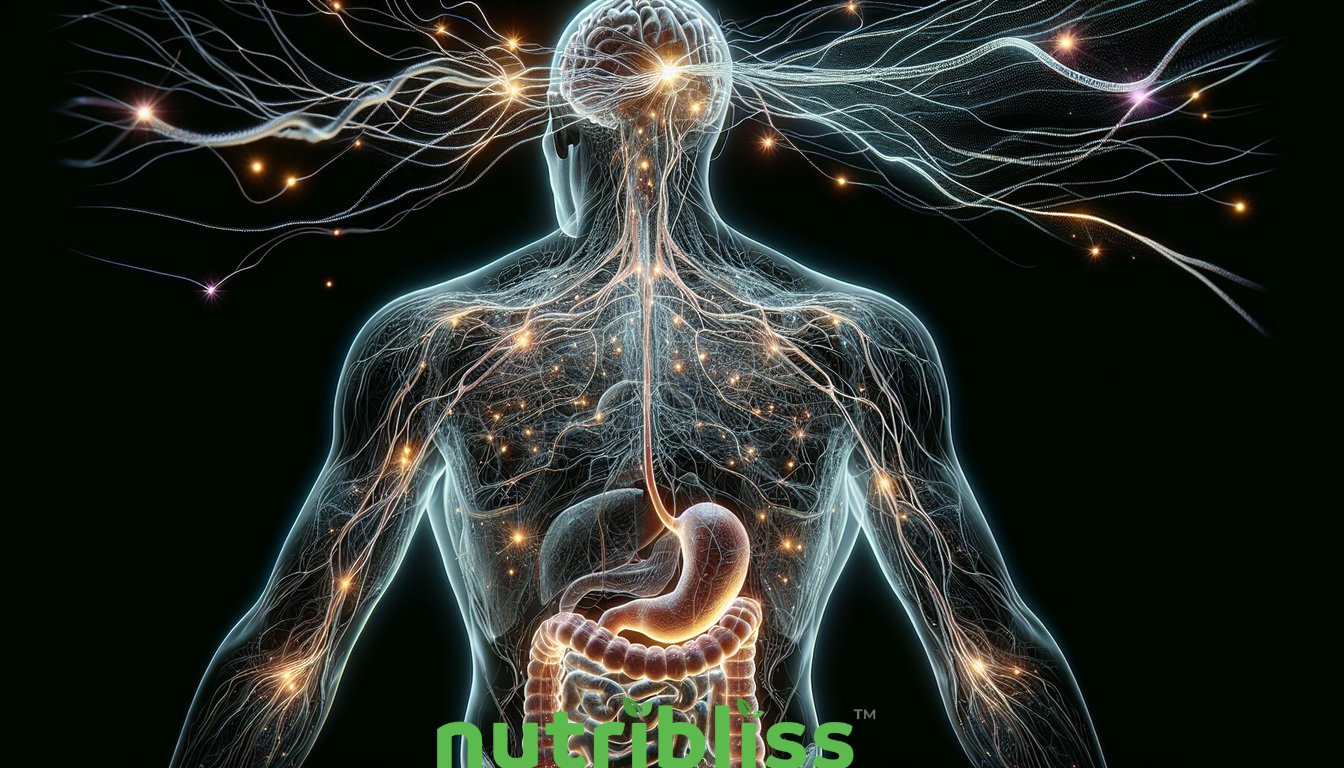
Welcome to an enthralling journey into the heart of our well-being, where the symbiotic relationship between our digestive system and brain takes center stage. The narrative that physical health is separate from mental health is being rewritten by groundbreaking research into the gut-brain connection. As we dive into the complexities of this relationship, we find that the billions of microorganisms residing in our gut may play a pivotal role in shaping our emotions, behaviors, and overall mental health.
The Gut-Brain Axis: An Overview
The gut-brain connection, or the gut-brain axis, refers to the bidirectional communication network that links the enteric nervous system of the gut with the central nervous system of the brain. This network utilizes an array of chemical messengers, including hormones, neurotransmitters, and immune system molecules, to relay information back and forth. These messages can influence a wide range of bodily functions, from digestion to mood regulation.
The Role of Microbiota
The microbiota, a term used to describe the diverse community of microorganisms in our gut, is essential in this communication. Recent studies suggest that these tiny creatures can produce and respond to neurotransmitters and other neuroactive compounds, influencing our stress response, anxiety levels, and even the risk of depression. For instance, serotonin, a key neurotransmitter in mood regulation, is predominantly produced in the gut.
Stress and the Gut Microbiome
Chronic stress is notorious for wreaking havoc on the body, and the gut microbiome is no exception. Stress can alter the composition and diversity of gut bacteria, leading to a domino effect that can disturb gut-brain communication. This can manifest in various mental health challenges, emphasizing the importance of managing stress for gut and brain health.
Nurturing Your Gut for Mental Well-Being
Understanding the gut-brain relationship opens a new frontier for enhancing mental health. Here are some strategies that can support a healthy microbiome and, by extension, promote mental well-being:
- Eating a diverse and balanced diet rich in fiber, prebiotics, and probiotics to support the growth of beneficial bacteria.
- Engaging in regular physical activity, which has been shown to positively influence the diversity of the microbiome.
- Adopting stress-reduction techniques such as meditation, yoga, or deep breathing exercises.
- Considering the use of dietary supplements that are grounded in scientific research and focus on gut health.
Speaking of supplements, Nutribliss, a company specializing in dietary supplements, recognizes the significance of the gut-brain connection. Their Probiotics+ and Ashwagandha Gummies are designed with the aim of supporting gut health and alleviating stress. Customers who have incorporated these supplements into their routine have reported experiencing benefits like enhanced mood and better stress management.
Scientifically Backed and Customer Approved
Quality ingredients and a strong foundation in scientific research are the cornerstones of Nutribliss’s product line. These supplements are not only based on the latest findings but are also reflected in the positive reviews by users who appreciate the attention to detail and effectiveness of the products.
Join the Conversation
Nutribliss doesn’t just stop at providing high-grade supplements; they also maintain a journal on their website dedicated to educating the public on the importance of gut health. Whether you’re new to the concept of the microbiome or seeking to deepen your knowledge, their resources serve as a valuable tool in your journey towards optimal health.
In conclusion, the gut-brain connection is an exciting field that holds promise for the future of mental health treatment. By understanding and nurturing this relationship, we can unlock new ways to improve our mental well-being. Remember, when it comes to health, always mind your gut!