
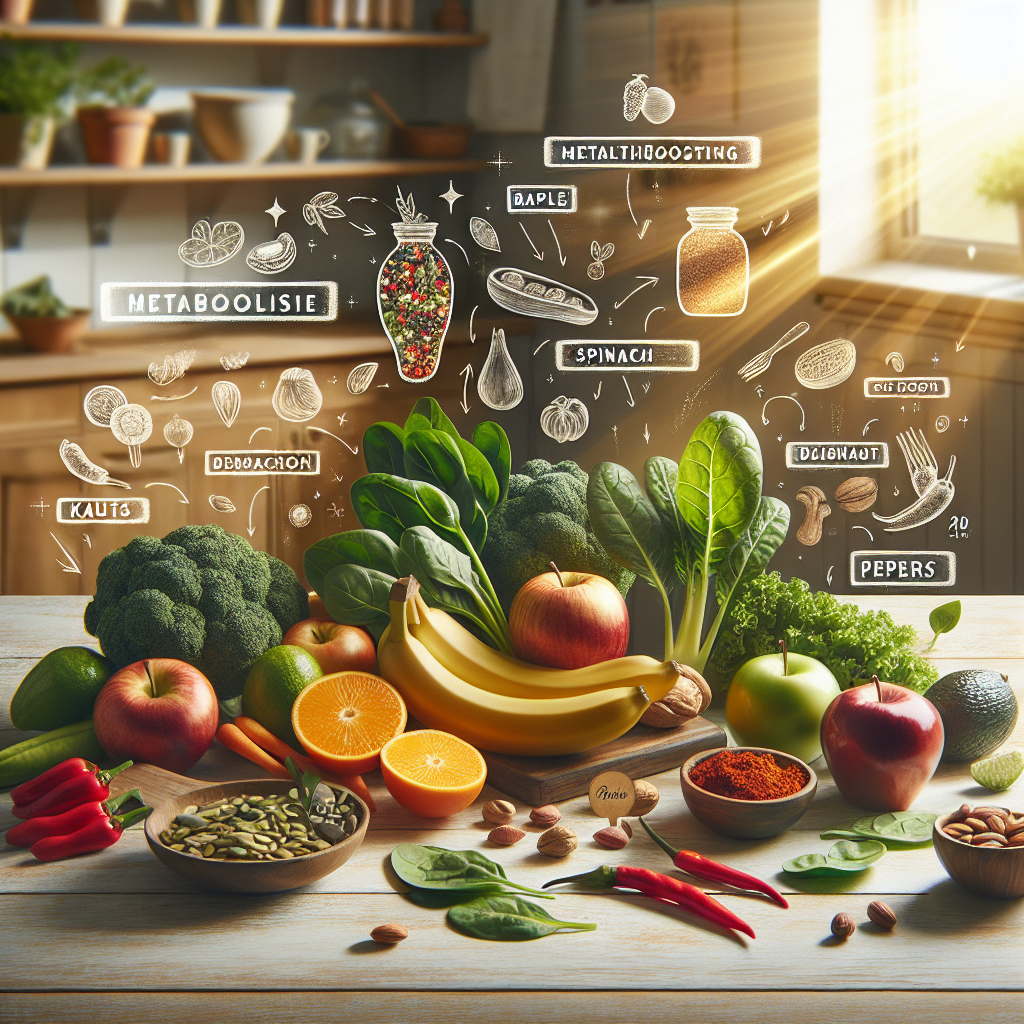
In the quest for a healthier lifestyle and weight management, the concept of metabolism often takes center stage. Metabolism, the process by which your body converts what you eat and drink into energy, plays a crucial role in determining how efficiently you burn calories and maintain your overall well-being. One key factor that can influence your metabolism is the food you consume. In this blog post, we will delve into the world of “Metabolism Boosting Foods” and explore the various ways in which certain foods can rev up your metabolic rate. From protein-rich options to metabolism-boosting drinks and fiber-packed delights, we will uncover the secrets to incorporating these foods into your diet to optimize your metabolism and support your health goals. Join us on this journey to discover the power of food in enhancing your metabolism and achieving a healthier, more energized you.
Understanding Metabolism: The Basics
Metabolism is a complex process that refers to the chemical reactions occurring within your body to convert food and drink into energy. It is responsible for various bodily functions, such as breathing, digestion, cell repair, and hormone production. Understanding the basics of metabolism is crucial in comprehending how certain foods can impact its efficiency.
At its core, metabolism can be divided into two main components: catabolism and anabolism. Catabolism involves the breakdown of molecules to release energy, while anabolism focuses on the synthesis of compounds needed for cellular maintenance and growth.
Several factors influence your metabolic rate, including age, gender, body composition, and genetics. Generally, men tend to have a higher metabolic rate than women due to their higher muscle mass. Additionally, metabolism tends to slow down with age, which may contribute to weight gain or difficulty in losing weight.
The basal metabolic rate (BMR) is the number of calories your body needs to function at rest. It accounts for around 60-75% of your total daily energy expenditure and is influenced by factors such as weight, height, age, and body composition. By understanding your BMR, you can estimate the number of calories your body requires to maintain its current weight.
Metabolism can also be influenced by lifestyle factors, such as physical activity and exercise. Regular exercise helps increase muscle mass, which in turn boosts your metabolic rate. Additionally, high-intensity workouts can lead to an “afterburn effect,” where your body continues to burn calories even after you’ve finished exercising.
By gaining a solid understanding of the basics of metabolism, you can appreciate the role that food plays in fueling and optimizing this vital process. In the following sections, we will explore specific foods that have been shown to boost metabolism and help you achieve your health and weight management goals.
The Role of Diet in Metabolism
Diet plays a crucial role in determining the efficiency of your metabolism. The food you consume provides the necessary nutrients for your body to carry out metabolic processes effectively. In this section, we will explore how different aspects of your diet can impact your metabolic rate and overall health.
How Food Influences Metabolic Rate
The thermic effect of food (TEF), also known as diet-induced thermogenesis, refers to the energy expenditure required for digestion, absorption, and processing of nutrients from the food you consume. Different macronutrients have varying effects on TEF, with protein having the highest thermic effect (around 20-30%), followed by carbohydrates (5-10%) and fats (0-3%). By consuming a diet rich in protein, you can increase your metabolic rate and burn more calories during digestion.
Importance of a Balanced Diet
Maintaining a balanced diet is essential for supporting a healthy metabolism. A balanced diet includes a variety of nutrient-dense foods from all food groups, such as fruits, vegetables, whole grains, lean proteins, and healthy fats. Each nutrient plays a specific role in metabolic processes, and deficiencies or imbalances can negatively impact your metabolism. By ensuring you meet your body’s nutritional needs, you can optimize your metabolic rate and overall health.
Impact of Dehydration on Metabolism
Staying hydrated is not only important for overall health but also for maintaining a healthy metabolism. Dehydration can slow down metabolic processes and reduce energy expenditure. It is recommended to consume an adequate amount of water throughout the day to support optimal hydration and metabolism.
Understanding the role of diet in metabolism is crucial for making informed choices about the foods you consume. By focusing on a balanced diet, incorporating metabolism-boosting foods, and staying hydrated, you can support a healthy metabolic rate and achieve your health and weight management goals. In the following sections, we will delve deeper into specific foods that have been shown to boost metabolism and explore how to incorporate them into your daily diet.
Specific Foods that Boost Metabolism
When it comes to boosting your metabolism, certain foods have been shown to have a positive impact. Including these metabolism-boosting foods in your diet can help increase calorie burn, enhance fat oxidation, and support weight management. In this section, we will explore specific foods that have been found to have metabolism-boosting properties and discuss how they can be beneficial for your overall health.
Protein-Rich Foods
Protein is known for its thermogenic effect, as it requires more energy to digest compared to carbohydrates and fats. By incorporating protein-rich foods into your meals and snacks, you can stimulate your metabolism and increase calorie burn. Examples of protein-rich foods include lean meats, poultry, fish, eggs, dairy products, legumes, and plant-based proteins like tofu and tempeh.
Green Tea and Other Metabolism-Boosting Drinks
Green tea is often touted for its metabolism-boosting properties. It contains catechins, a type of antioxidant that has been shown to increase fat oxidation and thermogenesis. Other metabolism-boosting drinks include black tea, oolong tea, and coffee. These beverages contain caffeine, which can temporarily increase your metabolic rate and enhance fat burning.
Spicy Foods
Spicy foods, such as chili peppers, contain a compound called capsaicin, which has been found to have metabolism-boosting effects. Capsaicin can increase thermogenesis and promote fat oxidation, leading to an increase in calorie burn. Including spicy foods in your meals can provide a temporary metabolic boost and add flavor to your dishes.
Foods High in Healthy Fats
Contrary to popular belief, not all fats are bad for you. Healthy fats, such as those found in avocados, nuts, seeds, and olive oil, can actually support a healthy metabolism. These fats provide satiety, help regulate blood sugar levels, and support hormone production. Including moderate amounts of healthy fats in your diet can promote a balanced metabolism and overall well-being.
Foods High in Fiber
Fiber-rich foods are not only beneficial for digestion but also for metabolism. High-fiber foods, such as fruits, vegetables, whole grains, and legumes, require more energy to digest and help regulate blood sugar levels. By incorporating fiber into your diet, you can support a healthy metabolism, maintain stable energy levels, and promote feelings of fullness.
Incorporating these metabolism-boosting foods into your diet can have a positive impact on your overall health and weight management goals. In the next section, we will discuss practical tips on how to include these foods in your daily meals and snacks to optimize your metabolism.
Incorporating Metabolism Boosting Foods into Your Diet
Now that we have explored specific foods that can boost your metabolism, it’s time to discuss practical ways to incorporate these foods into your daily diet. By making conscious choices and planning your meals strategically, you can optimize your metabolic rate and support your health goals. In this section, we will provide you with tips and suggestions on how to include metabolism-boosting foods in your diet effectively.
Creating a Balanced Meal Plan
One of the most effective ways to incorporate metabolism-boosting foods into your diet is by creating a balanced meal plan. This involves including a variety of nutrient-dense foods from different food groups in each meal. Aim to include a source of lean protein, such as chicken, fish, tofu, or legumes, along with a serving of vegetables and whole grains. Add a small amount of healthy fats, like avocado or olive oil, to round out the meal. By following a balanced meal plan, you can ensure that you are providing your body with the necessary nutrients to support a healthy metabolism.
Healthy Snack Ideas
Snacking can be an opportunity to include metabolism-boosting foods in your diet. Instead of reaching for processed snacks that are high in sugar and unhealthy fats, opt for nutritious options that can rev up your metabolism. Some healthy snack ideas include a handful of nuts, Greek yogurt with berries, carrot sticks with hummus, or a hard-boiled egg. These snacks provide a combination of protein, healthy fats, and fiber to keep you satisfied and support your metabolic rate.
Tips for Eating Out
Eating out doesn’t mean you have to abandon your efforts to incorporate metabolism-boosting foods into your diet. When dining out, look for menu options that include lean protein, such as grilled chicken or fish, along with a side of vegetables or a salad. Opt for dishes that are prepared using healthier cooking methods, such as grilling, steaming, or baking, rather than frying. Additionally, be mindful of portion sizes and try to avoid excessive amounts of added sugars and unhealthy fats.
By being mindful of your meal planning, choosing healthy snacks, and making informed choices when eating out, you can successfully incorporate metabolism-boosting foods into your diet. These small changes can have a significant impact on your metabolic rate and overall health.
In the following section, we will address some common misconceptions and myths surrounding metabolism-boosting foods to help you make informed decisions about your dietary choices.
Misconceptions and Myths about Metabolism Boosting Foods
As with any popular topic, there are often misconceptions and myths surrounding metabolism-boosting foods. It’s important to separate fact from fiction to make informed decisions about your diet and lifestyle. In this section, we will debunk some common misconceptions and myths about metabolism-boosting foods.
Myth 1: Certain Foods Can “Supercharge” Your Metabolism
While it is true that certain foods can have a slight impact on your metabolic rate, there is no magical food that can dramatically “supercharge” your metabolism. The overall impact of metabolism-boosting foods on your metabolic rate is relatively small and temporary. It is essential to focus on a balanced diet and overall healthy lifestyle habits rather than relying solely on specific foods to boost your metabolism.
Myth 2: Eating Spicy Foods Will Significantly Increase Your Metabolism
While spicy foods, such as chili peppers, can temporarily increase your metabolic rate due to the thermogenic effect of capsaicin, the effect is relatively modest and short-lived. It is unlikely that consuming spicy foods alone will lead to significant weight loss or a substantial increase in your metabolic rate. However, incorporating spicy foods as part of a balanced diet can still provide flavor and variety to your meals.
Myth 3: Eating Late at Night Slows Down Your Metabolism
The idea that eating late at night slows down your metabolism and leads to weight gain is a common myth. The key factor in weight management is the total number of calories consumed throughout the day, rather than the specific timing of your meals. While it’s generally recommended to have your last meal a few hours before bedtime to promote better sleep, the impact on your metabolism is not significant.
Myth 4: Metabolism-Boosting Foods Alone Can Lead to Weight Loss
While incorporating metabolism-boosting foods into your diet can have some positive effects on your metabolic rate, it is important to remember that weight loss and weight management require a comprehensive approach. Simply consuming metabolism-boosting foods without considering overall calorie intake, portion sizes, and physical activity levels is unlikely to lead to sustainable weight loss. It is best to focus on a well-rounded, balanced diet and a healthy lifestyle as a whole.
By understanding and debunking these misconceptions and myths, you can make more informed decisions about your dietary choices and optimize your overall health and wellness. In the final section of this blog post, we will conclude our discussion and summarize the key takeaways on achieving a faster metabolism through diet.
Conclusion: Achieving a Faster Metabolism Through Diet
In conclusion, while there are no magical foods or quick fixes to achieve a significantly faster metabolism, incorporating certain foods into your diet can have a positive impact on your metabolic rate and overall health. By focusing on a balanced diet that includes protein-rich foods, metabolism-boosting drinks like green tea, spicy foods, healthy fats, and high-fiber options, you can support a healthy metabolism and enhance your weight management efforts.
It’s important to remember that metabolism is a complex process influenced by various factors, including age, gender, body composition, and genetics. While diet plays a role in supporting a healthy metabolism, it is just one piece of the puzzle. Regular physical activity, sufficient sleep, and overall lifestyle choices also contribute to a well-functioning metabolism.
Additionally, it is crucial to be aware of common misconceptions and myths surrounding metabolism-boosting foods. While certain foods may have a modest impact on your metabolic rate, they are not a magic solution for weight loss or a significant increase in metabolism. A holistic approach, including a balanced diet, portion control, regular exercise, and overall healthy lifestyle habits, is key to achieving sustainable weight management and optimizing your metabolism.
By understanding the basics of metabolism, incorporating metabolism-boosting foods into your diet, and dispelling the myths, you can make informed choices to support a healthy metabolism and overall well-being.
Remember, achieving a faster metabolism is not just about the number on the scale but also about feeling energized, maintaining a healthy body composition, and supporting long-term health. Embrace a balanced approach to nutrition and lifestyle, and consult with a healthcare professional or registered dietitian for personalized advice and guidance on optimizing your metabolism.
Here’s to a healthier, more vibrant you!
To learn more, visit https://nutriblissprobiotics.com/blog/
To purchase our products, visit nutribliss.us