
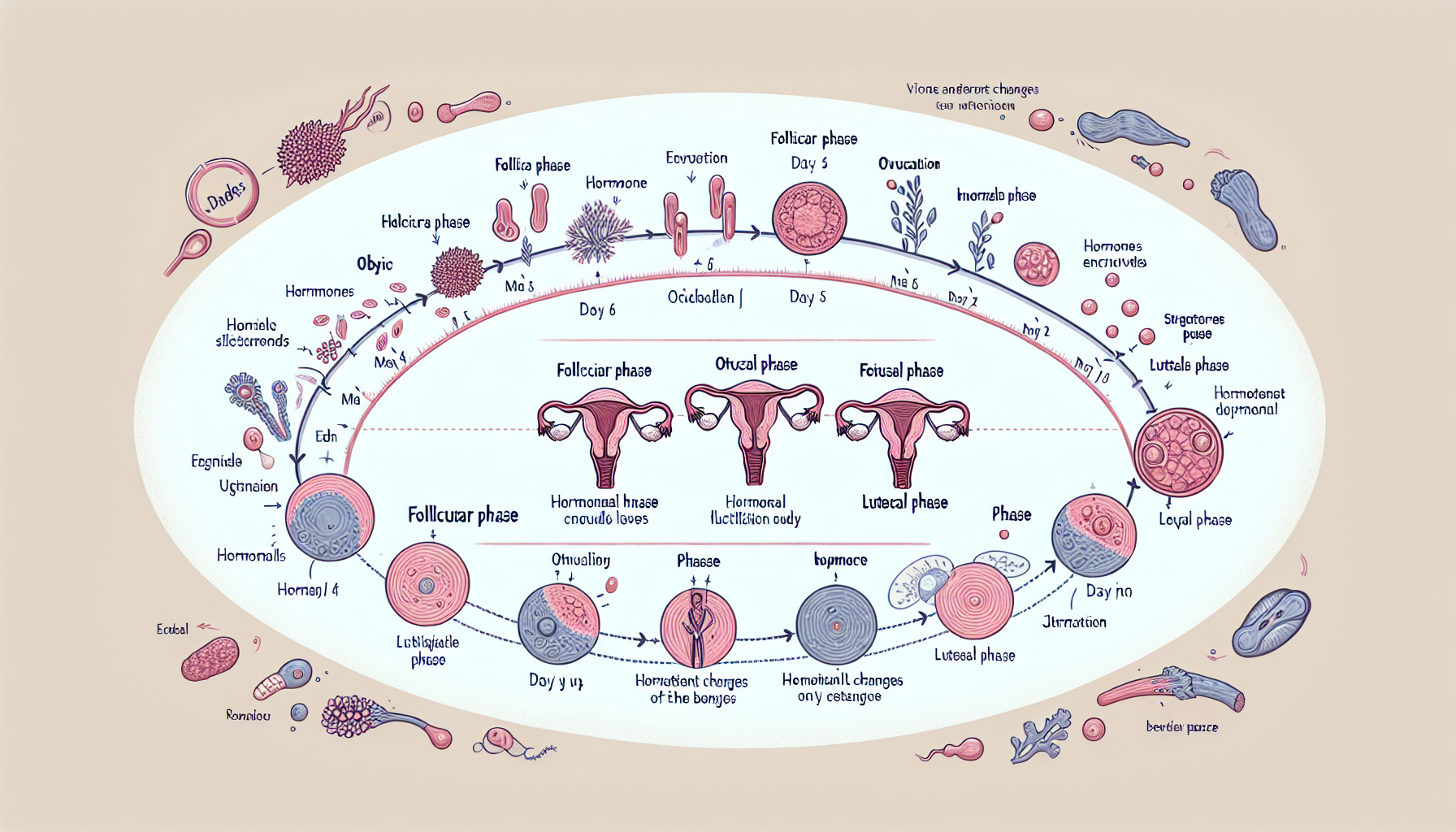
Navigating the intricacies of the menstrual cycle is an essential aspect of women’s health and well-being. Understanding the phases of this natural process can empower individuals to better comprehend their bodies and take charge of their reproductive health. In this blog post, we will delve into the four key phases of the menstrual cycle – the follicular phase, ovulation phase, luteal phase, and menstruation phase. By gaining insight into each stage, you can learn how to track, predict, and manage your menstrual cycle effectively. Join us as we explore the fascinating journey that occurs within the female body each month.
Introduction: Basics of the Menstrual Cycle
The menstrual cycle is a natural, monthly process that occurs in the female reproductive system. It involves a series of hormonal changes and physical events that prepare the body for potential pregnancy. Understanding the basics of the menstrual cycle is crucial for women of all ages, as it not only affects fertility and reproduction but also has an impact on overall health and well-being.
The menstrual cycle typically lasts around 28 days, although it can vary from person to person. It is divided into four distinct phases: the follicular phase, ovulation phase, luteal phase, and menstruation phase. Each phase is characterized by specific hormonal shifts and changes in the reproductive organs.
During the follicular phase, the body prepares for ovulation by stimulating the growth of follicles in the ovaries. These follicles contain eggs, and as they mature, they release estrogen, which triggers the thickening of the uterine lining. This phase usually lasts for about 10-14 days.
The ovulation phase marks the release of a mature egg from one of the ovaries. This occurs around the middle of the menstrual cycle, typically on day 14 in a 28-day cycle. Ovulation is a crucial period for conception, as the egg is released into the fallopian tube where it can be fertilized by sperm.
Following ovulation, the luteal phase begins. This phase is characterized by the release of progesterone, which helps prepare the uterus for potential implantation of a fertilized egg. If conception does not occur, hormone levels start to decline, signaling the onset of the menstruation phase.
The menstruation phase, also known as the menstrual period, is when the uterus sheds its lining if fertilization has not taken place. This results in bleeding that typically lasts for 3-7 days. Afterward, the cycle starts again with the follicular phase.
Throughout the menstrual cycle, various hormonal fluctuations can lead to physical and emotional changes in women. These changes can include mood swings, breast tenderness, bloating, and fatigue. Understanding these fluctuations can help individuals recognize and manage any discomfort or symptoms they may experience.
In the following sections, we will delve deeper into each phase of the menstrual cycle, exploring the specific changes that occur, how to track and predict them, and how to effectively manage any associated symptoms. By gaining a comprehensive understanding of the menstrual cycle, you can optimize your reproductive health and overall well-being.
The Follicular Phase
The follicular phase is the first phase of the menstrual cycle and is characterized by the development and maturation of ovarian follicles. This phase sets the stage for ovulation and prepares the body for potential pregnancy. Understanding the events and factors that occur during the follicular phase is essential for tracking and managing your menstrual cycle effectively.
What Happens During the Follicular Phase
During the follicular phase, the hypothalamus in the brain releases a hormone called gonadotropin-releasing hormone (GnRH), which signals the pituitary gland to produce follicle-stimulating hormone (FSH). FSH is responsible for stimulating the growth of follicles in the ovaries.
Several follicles begin to develop in the ovaries, each containing an immature egg. As the follicles grow, they produce estrogen, a hormone that plays a crucial role in thickening the uterine lining (endometrium) in preparation for potential implantation.
Typically, only one dominant follicle continues to develop and mature, while the others stop growing and are reabsorbed by the body. This dominant follicle produces increasing levels of estrogen, which triggers a surge in luteinizing hormone (LH) from the pituitary gland.
Factors Affecting the Follicular Phase
Various factors can influence the duration and progression of the follicular phase. These include:
- Hormonal balance: Imbalances in hormones such as estrogen, FSH, and LH can affect the development and maturation of follicles.
- Stress levels: High levels of stress can disrupt the hormonal signals between the brain and reproductive system, potentially impacting the follicular phase.
- Age and reproductive health: As women age, the number and quality of their ovarian follicles naturally decline, which can affect the follicular phase.
- Medical conditions: Certain medical conditions, such as polycystic ovary syndrome (PCOS) or thyroid disorders, can interfere with the follicular phase.
How to Track the Follicular Phase
Tracking the follicular phase can provide valuable insights into your menstrual cycle and help you predict ovulation. Here are some methods for tracking this phase:
- Basal body temperature (BBT) charting: By measuring your body temperature every morning before getting out of bed, you can observe a slight increase in temperature after ovulation, indicating the end of the follicular phase.
- Cervical mucus monitoring: Changes in cervical mucus consistency can indicate fertile days and provide clues about the progress of the follicular phase. As estrogen levels rise, cervical mucus becomes clearer, stretchy, and more abundant.
- Ovulation predictor kits (OPKs): These kits detect the surge in LH that occurs just before ovulation, helping you identify the end of the follicular phase and the beginning of the ovulation phase.
Understanding and tracking the follicular phase can enhance your awareness of your menstrual cycle, increase your chances of conception, or help you manage your fertility goals effectively. In the next section, we will explore the ovulation phase, which marks the pinnacle of the menstrual cycle.
The Ovulation Phase
The ovulation phase is a pivotal period in the menstrual cycle, representing the release of a mature egg from the ovary. This phase is crucial for conception, as it is the window of opportunity for fertilization to occur. Understanding the signs, prediction methods, and significance of the ovulation phase is essential for those trying to conceive or simply monitoring their reproductive health.
Signs of Ovulation
Recognizing the signs and symptoms of ovulation can help you identify when you are most fertile. Here are some common signs of ovulation:
- Changes in cervical mucus: Around the time of ovulation, cervical mucus becomes clear, slippery, and stretchy, resembling raw egg whites. This fertile cervical mucus facilitates sperm transport and survival.
- Increased sex drive: Many women experience a surge in libido during ovulation, which can be attributed to hormonal changes.
- Mittelschmerz: Some women may experience mild pelvic pain or a twinge on one side of the lower abdomen during ovulation. This is known as mittelschmerz and is caused by the release of the egg.
- Breast tenderness: Hormonal fluctuations during ovulation can cause breast tenderness or sensitivity in some individuals.
How to Predict Ovulation
Predicting ovulation can help you plan intercourse for optimal chances of conception or avoid pregnancy. Here are some methods to predict ovulation:
- Ovulation predictor kits (OPKs): Similar to pregnancy tests, OPKs detect the surge in luteinizing hormone (LH) that occurs before ovulation. This surge indicates that ovulation is likely to occur within the next 12-36 hours.
- Basal body temperature (BBT) charting: Tracking your basal body temperature can help identify the shift that occurs after ovulation. By charting your daily temperatures, you can observe a slight rise in temperature indicating that ovulation has taken place.
- Cervical position and texture: Monitoring changes in the position, firmness, and opening of the cervix can provide additional clues about ovulation. Around the time of ovulation, the cervix tends to become higher, softer, and more open.
- Ovulation tracking apps: There are numerous smartphone apps available that utilize various data inputs, including menstrual cycle length, BBT, and cervical mucus observations, to predict ovulation and fertile days.
Importance of the Ovulation Phase
The ovulation phase is crucial for those trying to conceive, as it represents the peak of fertility. Understanding when you are ovulating can significantly increase the chances of successful conception. Additionally, tracking ovulation can help identify irregularities in your menstrual cycle, providing valuable information for those seeking medical assistance for fertility concerns.
Even for individuals not actively trying to conceive, understanding the ovulation phase can be beneficial. It allows you to gain insights into your body’s natural rhythm, recognize changes in your menstrual cycle, and better understand your reproductive health.
In the next section, we will explore the luteal phase, which follows ovulation and is characterized by hormonal changes and potential early pregnancy symptoms.
The Luteal Phase
The luteal phase is the third phase of the menstrual cycle and follows ovulation. It is a crucial period for potential pregnancy, as the body prepares for implantation of a fertilized egg. Understanding the changes, symptoms, and factors affecting the luteal phase can provide insight into your reproductive health and help you manage any associated symptoms.
What Happens During the Luteal Phase
After ovulation, the ruptured follicle in the ovary transforms into a structure called the corpus luteum. The corpus luteum secretes progesterone, a hormone that helps prepare the uterine lining for potential implantation of a fertilized egg. Progesterone also inhibits further ovulation during this phase.
If fertilization of the egg occurs, the fertilized egg will travel to the uterus for implantation. If fertilization does not occur, the corpus luteum will begin to degenerate, leading to a decline in progesterone and estrogen levels.
Symptoms of the Luteal Phase
The luteal phase can be accompanied by various symptoms, which may vary from person to person. Here are some common symptoms experienced during this phase:
- Breast tenderness: Hormonal changes during the luteal phase can cause breast tenderness or sensitivity.
- Bloating and water retention: Some individuals may experience bloating and water retention due to hormonal fluctuations during this phase.
- Mood swings: Hormonal changes can also affect mood, leading to mood swings, irritability, or heightened emotions.
- Fatigue: Some women may experience increased fatigue or a general feeling of tiredness during the luteal phase.
Factors Affecting the Luteal Phase
Several factors can influence the duration and symptoms experienced during the luteal phase. These factors include:
- Progesterone levels: Imbalances in progesterone levels can affect the length and quality of the luteal phase.
- Stress levels: High levels of stress can impact hormone levels and potentially disrupt the luteal phase.
- Medical conditions: Certain medical conditions, such as polycystic ovary syndrome (PCOS) or thyroid disorders, can affect the luteal phase.
- Medications: Some medications, such as certain types of hormonal contraceptives or fertility treatments, can alter hormone levels and affect the luteal phase.
Understanding the luteal phase and its accompanying symptoms can help you identify any irregularities in your menstrual cycle and seek appropriate medical guidance if needed. In the next section, we will explore the final phase of the menstrual cycle – the menstruation phase.
The Menstruation Phase
The menstruation phase, also known as the menstrual period, is the final phase of the menstrual cycle. It is characterized by the shedding of the uterine lining, resulting in vaginal bleeding. Understanding the menstrual flow, what to expect during menstruation, and how to manage associated symptoms is essential for women’s overall well-being and reproductive health.
Understanding Menstrual Flow
Menstrual flow refers to the discharge of blood and tissue from the uterus through the vagina. It is a natural process that occurs in women of reproductive age who are not pregnant. Menstrual blood consists of the shedding of the thickened uterine lining, which was prepared during the previous menstrual cycle in anticipation of pregnancy.
What to Expect During Menstruation
Menstruation typically lasts for about 3-7 days, although the duration can vary from person to person. During this time, you may experience the following:
- Bleeding: Menstrual bleeding is characterized by a steady flow of blood from the vagina. The color of the blood can range from bright red to dark brown.
- Menstrual cramps: Many women experience cramping pain in the lower abdomen during menstruation. These cramps, known as dysmenorrhea, are caused by uterine contractions as the body expels the menstrual blood.
- Hormonal fluctuations: Hormonal changes during menstruation can lead to mood swings, irritability, or changes in energy levels.
- Fatigue and bloating: Some individuals may experience fatigue and bloating as a result of hormonal changes and water retention during menstruation.
How to Manage Menstruation Symptoms
Managing menstruation symptoms can help make your period more comfortable. Here are some tips for managing common symptoms:
- Pain relief: Over-the-counter pain relievers such as ibuprofen or acetaminophen can help alleviate menstrual cramps. Applying heat to the lower abdomen or taking a warm bath may also provide relief.
- Hygiene and comfort: Use sanitary products such as pads, tampons, menstrual cups, or period panties to manage menstrual flow. Change your sanitary product regularly to maintain cleanliness and prevent odor.
- Regular exercise: Engaging in light to moderate exercise, such as walking or yoga, can help relieve menstrual cramps and improve mood.
- Healthy lifestyle choices: Maintaining a balanced diet, staying hydrated, and getting enough rest can contribute to overall well-being during menstruation.
It is important to note that if you experience severe or debilitating menstrual symptoms that significantly impact your daily life, it is recommended to seek medical advice.
Understanding the menstruation phase and how to manage its associated symptoms can empower women to navigate their menstrual cycles with confidence and comfort. By learning about each phase of the menstrual cycle, you can gain a comprehensive understanding of your body’s natural rhythms and take charge of your reproductive health.

To learn more, visit us at https://nutriblissprobiotics.com/blog/
For supplement: https://nutribliss.us/collections/all