
To learn more, visit us at https://nutriblissprobiotics.com/blog/
Are you looking to start your journey into the world of meditation but not sure where to begin? Meditation is a powerful practice that can bring clarity, peace, and mindfulness into your life. In this blog post, we will guide you through the basics of meditation for beginners, helping you understand its importance and benefits, how to prepare for your practice, the different types of meditation techniques, and how to start and maintain your meditation practice. Whether you’re seeking stress relief, improved focus, or a sense of inner calm, this beginner’s guide to meditation will set you on the path to a more centered and balanced life.
Understanding the Basics: Importance and Benefits of Meditation
Meditation has been practiced for centuries and is known for its numerous benefits on mental, emotional, and physical well-being. Before diving into the practice itself, it’s important to understand the basics and the significance of meditation in our lives.
What is Meditation?
Meditation is a practice that involves training the mind to focus and redirect thoughts. It is a state of deep relaxation and awareness where the mind is free from the constant chatter and distractions of everyday life. By engaging in meditation, individuals can cultivate a sense of inner peace, clarity, and tranquility.
The Importance of Meditation
- Stress Reduction: One of the primary reasons people turn to meditation is its ability to reduce stress. Through meditation, we can learn to quiet the mind, let go of worries, and bring a sense of calmness into our lives.
- Enhanced Emotional Well-being: Meditation helps us develop emotional resilience and manage our emotions more effectively. It can reduce anxiety, depression, and improve overall emotional well-being.
- Improved Focus and Concentration: Regular meditation practice can enhance our ability to concentrate and stay focused. It trains the mind to stay present and avoid getting caught up in distractions.
- Increased Self-Awareness: Meditation allows us to become more aware of our thoughts, emotions, and patterns of behavior. This self-awareness helps us make conscious choices and respond to situations with greater clarity and wisdom.
- Better Sleep: By calming the mind and releasing tension from the body, meditation can greatly improve the quality of our sleep. It helps to alleviate insomnia and promotes a more restful and rejuvenating sleep.
- Physical Health Benefits: Meditation has been linked to numerous physical health benefits, including reduced blood pressure, improved immune function, and decreased inflammation in the body.
Scientific Evidence Supporting Meditation
Over the years, extensive research has been conducted to understand the effects of meditation on the mind and body. Scientific studies have consistently shown that meditation has positive impacts on various aspects of our well-being. These studies have demonstrated the physiological changes that occur during meditation, such as reduced cortisol levels (the stress hormone), increased activity in brain regions associated with happiness and emotional regulation, and improved cognitive function.
Conclusion
Understanding the importance and benefits of meditation lays the foundation for embarking on a successful meditation journey. From stress reduction to improved focus and emotional well-being, the practice of meditation offers a multitude of advantages that can positively impact every aspect of our lives. In the next section, we will explore how to prepare for meditation by creating the ideal environment and setting up your meditation space.
Preparing for Meditation
Before you begin your meditation practice, it’s important to prepare yourself and create an environment that is conducive to deep relaxation and focus. This section will guide you through the necessary steps to prepare for a successful meditation session.
Choosing the Right Environment
Selecting the right environment for meditation can greatly enhance your experience. Here are some factors to consider:
- Quiet and Peaceful: Find a space where you can minimize external distractions and noise. Choose a room or area where you can have some privacy and uninterrupted time for meditation.
- Comfortable Temperature: Ensure that the temperature of the room is comfortable for you. Extreme temperatures can be distracting and make it difficult to relax.
- Lighting: Natural light is ideal for meditation, but if that’s not possible, opt for soft and gentle lighting. Avoid harsh fluorescent lights that can be jarring to the senses.
- Aromatherapy: Consider using essential oils or incense to create a calming and soothing atmosphere. Scents like lavender, sandalwood, or chamomile can promote relaxation and enhance the meditation experience.
Setting Up Your Meditation Space
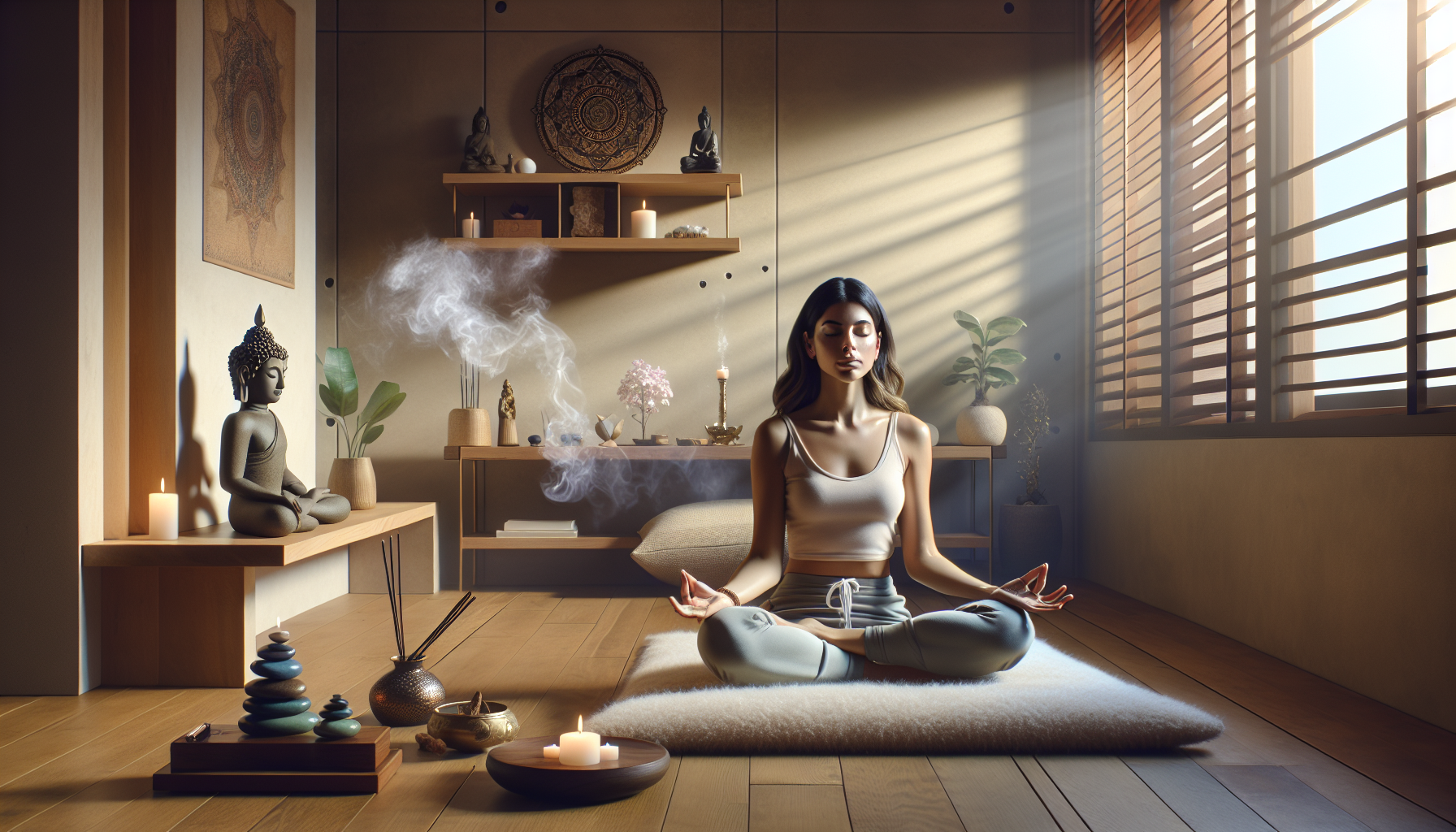
Creating a dedicated meditation space can help you establish a routine and signal to your mind that it’s time for focused introspection. Here are some tips for setting up your meditation space:
- Choose a Comfortable Seating Option: Select a cushion, meditation bench, or chair that provides proper support for your posture. Ensure that you can sit comfortably for an extended period without strain.
- Clear the Clutter: Declutter the space to create a sense of calm and tranquility. Remove any unnecessary items or distractions from the area.
- Personalize the Space: Add elements that inspire and resonate with you, such as candles, crystals, or meaningful objects. These can serve as reminders of your intention and enhance your connection to the practice.
- Consider a Meditation Altar: If it resonates with you, create a small altar with items that hold personal significance. This can include pictures, statues, or symbols that represent your spiritual or mindfulness journey.
Picking the Best Time for Meditation
Choosing the right time to meditate is a personal preference, but there are certain factors to consider:
- Morning Meditation: Many people find that meditating in the morning helps set a positive tone for the day. It can provide a sense of clarity and calmness that carries throughout the day.
- Evening Meditation: Meditating in the evening can be a great way to unwind and release the accumulated stress of the day. It can promote better sleep and help you relax before bedtime.
- Consistency is Key: Regardless of the time you choose, consistency is crucial. Establish a regular meditation practice by selecting a time that works best for you and sticking to it.
Conclusion
Preparing for meditation sets the stage for a successful and fulfilling practice. By choosing the right environment, setting up a dedicated meditation space, and picking the best time for your sessions, you create an atmosphere that supports deep relaxation and focus. In the next section, we will explore different types of meditation techniques to help you find the style that resonates with you.
Understanding Different Types of Meditation Techniques
Meditation encompasses a wide range of techniques, each with its own unique approach and benefits. In this section, we will explore some of the most popular types of meditation techniques to help you find the one that resonates with you.
Mindfulness Meditation
Mindfulness meditation involves bringing your attention to the present moment and cultivating a non-judgmental awareness of your thoughts, emotions, and sensations. It focuses on observing and accepting whatever arises in your experience without getting caught up in judgments or attachments. Mindfulness meditation can be practiced while sitting, walking, or engaging in daily activities.
Transcendental Meditation
Transcendental Meditation (TM) is a widely practiced technique that involves the use of a mantra – a word or sound repeated silently to aid in concentration. During TM, you sit with your eyes closed and silently repeat the mantra, allowing your mind to naturally settle into a state of deep relaxation and inner awareness. TM is known for its simplicity and effectiveness in reducing stress and promoting clarity.
Guided Visualization
Guided visualization is a form of meditation that involves using your imagination to create mental images or scenarios. It typically involves listening to a guided meditation or visualization script that leads you through a series of vivid and calming images. Guided visualization can be used to promote relaxation, enhance creativity, and manifest positive changes in your life.
Loving-Kindness Meditation
Loving-kindness meditation, also known as metta meditation, focuses on developing feelings of love, compassion, and goodwill towards oneself and others. It involves silently repeating phrases or intentions of well-being, such as “May I be happy, may I be healthy, may I be safe.” This practice cultivates a sense of empathy, kindness, and interconnectedness with all beings.
Other Meditation Techniques
There are numerous other meditation techniques, including:
- Mantra Meditation: Similar to Transcendental Meditation, mantra meditation involves the repetition of a specific word or phrase to quiet the mind and promote inner stillness.
- Body Scan Meditation: This technique involves systematically scanning your body from head to toe, bringing awareness to each sensation and releasing any tension or stress held in the body.
- Breath Awareness Meditation: Focusing on the breath is a common and foundational practice in meditation. It involves bringing your attention to the inhalation and exhalation, observing the breath without trying to control it.
Conclusion
Understanding the different types of meditation techniques allows you to explore various approaches and find the one that resonates with you the most. Whether you prefer mindfulness, transcendental meditation, guided visualization, loving-kindness, or any other technique, each offers a unique path to inner peace, self-discovery, and well-being. In the next section, we will delve into how to start meditating, providing practical tips for beginners to embark on their meditation journey.
How to Start Meditating
Starting a meditation practice can feel overwhelming for beginners. However, with the right approach and mindset, anyone can begin their meditation journey. In this section, we will provide practical tips and guidance on how to start meditating.
Beginning with Short Meditation Sessions
When starting out, it’s important to set realistic expectations and start with shorter meditation sessions. Here’s how to begin:
- Start with 5-10 Minutes: Begin by dedicating just a few minutes each day to meditation. As you become more comfortable, gradually increase the duration of your sessions.
- Find a Quiet Space: Choose a quiet and comfortable space where you can sit undisturbed. This could be your meditation space or any other quiet area in your home.
- Get into a Comfortable Position: Sit in a position that is comfortable for you, whether it’s cross-legged on a cushion, sitting on a chair, or even lying down. The key is to maintain an upright posture that supports alertness and relaxation.
- Set a Timer: Use a timer or meditation app to set the duration of your session. This will help you stay focused and avoid constantly checking the clock.
Focusing on Your Breath
A common anchor for meditation is the breath. Here’s how to incorporate breath awareness into your practice:
- Bring Attention to Your Breath: Direct your attention to the sensation of your breath entering and leaving your body. Notice the rise and fall of your abdomen or the feeling of air passing through your nostrils.
- Allow Thoughts to Pass: As you focus on your breath, thoughts and distractions may arise. Instead of getting caught up in them, acknowledge them and gently let them go, returning your attention to your breath.
- Cultivate a Non-Judgmental Attitude: Approach your meditation practice with a sense of curiosity and non-judgment. Be patient with yourself and avoid labeling thoughts as good or bad.
Dealing with Distractions
Distractions are a natural part of meditation. Here are some strategies to deal with them:
- Acknowledge and Let Go: When distractions arise, acknowledge them without judgment and gently bring your attention back to your breath or chosen focal point.
- Use Guided Meditations: If you find it challenging to stay focused, consider using guided meditation recordings or apps. These can provide instructions and support to help you maintain your focus.
- Practice Self-Compassion: Be kind to yourself when distractions occur. Remember that meditation is a practice, and it’s normal to have wandering thoughts. Simply bring your attention back without self-criticism.
Conclusion
Starting a meditation practice requires patience, consistency, and an open mind. By beginning with short sessions, focusing on your breath, and learning to deal with distractions, you can lay a solid foundation for your meditation journey. Remember, the key is to approach your practice with a sense of curiosity and self-compassion. In the next section, we will explore how to maintain your meditation practice and overcome common challenges that may arise.
Maintaining Your Meditation Practice
Maintaining a consistent meditation practice is essential for reaping the long-term benefits. In this section, we will explore strategies to help you integrate meditation into your daily routine, track your progress, and overcome challenges that may arise.
Keeping a Meditation Journal
Keeping a meditation journal can be a valuable tool for tracking your progress and deepening your practice. Here’s how to get started:
- Set Aside Time: Dedicate a few minutes after each meditation session to reflect and write in your journal.
- Reflect on Your Experience: Note down any insights, observations, or emotions that arose during your meditation. Reflect on the challenges you faced and the moments of clarity or peace you experienced.
- Track Your Progress: Record the duration of your meditation sessions and any milestones or breakthroughs you achieve. This will help you stay motivated and see how your practice evolves over time.
Incorporating Meditation into Your Daily Routine
To maintain a consistent meditation practice, it’s helpful to integrate it into your daily routine. Here are some tips:
- Set a Regular Time: Choose a specific time of day when you can dedicate yourself to meditation consistently. This could be in the morning, during a lunch break, or before bed.
- Create Rituals: Develop rituals around your meditation practice to signal to your mind that it’s time to enter a state of mindfulness. This could include lighting a candle, practicing a few minutes of gentle stretching, or reciting an affirmation.
- Start Small: If you’re short on time, start with shorter meditation sessions and gradually increase the duration as you progress. Even a few minutes of meditation can have a significant impact.
Coping with Meditation Challenges
Challenges may arise during your meditation practice, but with patience and perseverance, you can overcome them. Here are some common challenges and how to address them:
- Restlessness: If you find it difficult to sit still, try incorporating movement meditation, such as walking meditation or yoga. Alternatively, observe the restlessness without judgment and gently bring your attention back to your breath.
- Monkey Mind: When your mind is busy with thoughts, gently acknowledge them and let them go. Use techniques like counting breaths or repeating a mantra to anchor your focus.
- Impatience: It’s normal to feel impatient or frustrated when progress feels slow. Remember that meditation is a journey, and each session contributes to your growth. Cultivate patience and trust in the process.
Conclusion
Maintaining a consistent meditation practice requires dedication and perseverance. By keeping a meditation journal, incorporating meditation into your daily routine, and addressing challenges with patience and self-compassion, you can cultivate a sustainable practice that brings lasting benefits. Remember, meditation is a lifelong journey of self-discovery and inner peace. Embrace the process, and allow yourself to grow and evolve through your practice.