
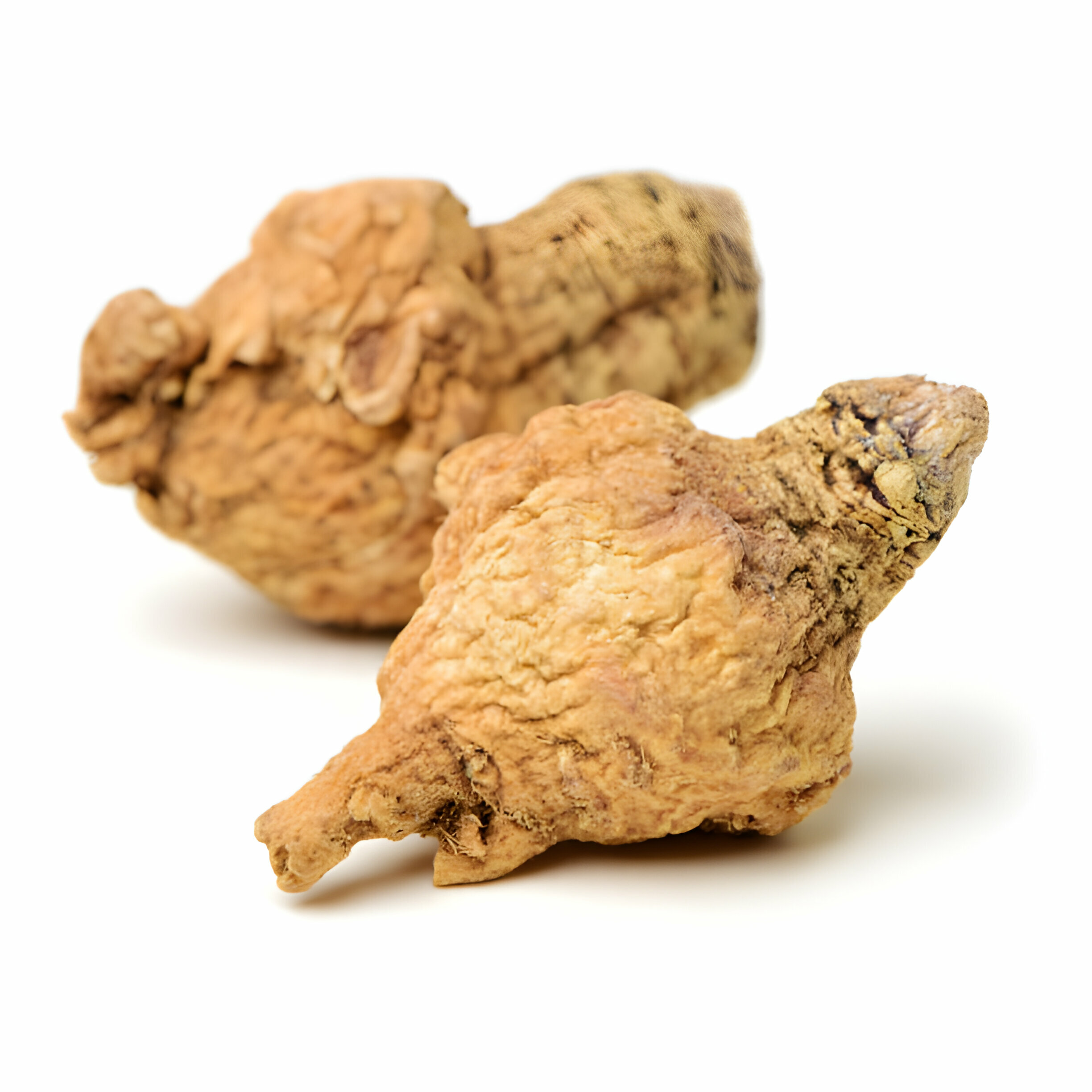
Maca root, a natural supplement long-revered for its comprehensive range of health benefits, has garnered attention for its role in improving libido, enhancing energy levels, and offering nutritional support. Originating from the Peruvian Andes, maca root has been traditionally used for centuries, not just for its health advantages but also for medicinal purposes. Its rise in popularity in recent years is a testament to its potential in addressing a variety of health concerns, making it a subject of interest for both research and consumption. This guide aims to explore the multifaceted nature of maca root, highlighting its benefits, nutritional value, and the scientific evidence backing its claims.
In the sections that follow, readers will be introduced to what maca root is, including its history and how it fits into today’s health and wellness landscape. We’ll delve into the health benefits of maca root, covering how it supports sexual health and fertility in both men and women, aids in weight management, and interacts with other supplements like ashwagandha for enhanced effects. The nutritional profile of maca root will be outlined, shedding light on why it’s considered a superfood. Additionally, we’ll analyze the scientific evidence surrounding maca root, discuss potential side effects and risks to consider, and advise on the best time to take maca root, recommended dosages, and effective ways to incorporate this powerful supplement into one’s diet. This comprehensive guide promises to equip readers with all they need to know about leveraging the health benefits of maca root for improved well-being.
What is Maca Root?
Maca, sometimes referred to as Peruvian ginseng, is derived from the root of a plant native to the Andes Mountains. This plant, scientifically known as Lepidium meyenii, is part of the Brassicaceae family, which also includes vegetables like broccoli, turnips, and cabbage 101112. Indigenous to the high Andean plateaus, maca has been cultivated and utilized by the Andean people for over 2,000 years, valued both as a food source and for its medicinal properties 1112.
The root of the maca plant is rich in nutrients, containing essential amino acids, iron, and calcium. It also houses several compounds unique to maca, which have been traditionally used to enhance sexual function, fertility, and overall health 10. Maca’s ability to thrive in the harsh climates of the Peruvian Andes, at elevations over 4,000 meters, highlights its robust nature 11.
In traditional Andean culture, maca has been a staple food and a natural remedy. The dried hypocotyls of the plant are particularly noted for their longevity, capable of being stored for years. These are typically rehydrated and consumed in various forms, such as juices, which are a popular method of intake among the locals 8.
Historically, the first documented mention of maca dates back to 1553, when it was described by the chronicler Cieza de Leon during the Spanish conquest of Peru. He noted its use by the natives of the province of Bombón for sustenance in the harsh Andean environment 8. Later, in 1653, Father Cobo provided further details, describing maca as a plant that grows in the coldest areas of the Chinchaycocha province, where no other sustenance crop could survive. He also highlighted its use for enhancing fertility 8.
Today, maca continues to be a significant element in Peruvian culture, not only for its traditional medicinal uses but also as a supplement for various health benefits, including boosting energy, libido, and managing menopause symptoms 12.
Health Benefits of Maca Root
Erectile Function
Maca root has shown promising results in improving sexual well-being in men, particularly those experiencing mild erectile dysfunction (ED). Studies indicate that maca may enhance sexual desire and performance, with some evidence suggesting improvements in erectile function and overall sexual satisfaction 252627. For instance, men taking maca have reported more significant erectile improvements compared to those who did not participate in the studies 25.
Healthy Menopause
Maca is beneficial in managing symptoms associated with menopause. Research has demonstrated that maca can alleviate common menopausal symptoms such as hot flashes, night sweats, and mood swings. It achieves this by helping to balance hormone levels, particularly by modulating estrogen 182526. Additionally, maca has been noted to improve bone density markers, which is crucial for women in the postmenopausal phase, reducing the risk of osteoporosis 16.
Female Sexuality
Maca may also enhance sexual function in women, especially those affected by sexual dysfunction related to the use of antidepressants. Studies have reported that maca supplementation can lead to improved interest, arousal, orgasm, and overall sexual satisfaction. Postmenopausal women have shown the most significant benefits, suggesting maca’s potential role in enhancing female sexual health 2527.
Fertility
The impact of maca on fertility, particularly in men, has been well-documented. Various studies suggest that maca can increase sperm count, improve sperm motility, and enhance overall semen quality, thereby boosting male fertility 2324. Additionally, maca has been associated with increased levels of estrogen and progesterone in women, suggesting benefits for female reproductive health 2223.
Overall Health and Energy
Maca has been traditionally used to boost energy and stamina. Research supports these claims, showing that maca consumption can enhance mood, increase energy levels, and improve overall health. It has been particularly effective in reducing fatigue in different populations, including young adult women 2627. Maca’s adaptogenic properties also contribute to its effectiveness in improving physical and mental well-being, making it a valuable supplement for those seeking to enhance their quality of life 182325.
These findings underscore maca’s potential as a multifaceted supplement that supports various aspects of health and well-being across different stages of life. However, while promising, more research is needed to fully understand the extent of maca’s benefits and its mechanisms of action 252627.
Nutritional Profile of Maca Root
Maca root, a cruciferous vegetable native to the high Andes of Peru and Bolivia, is renowned not only for its historical significance but also for its impressive nutritional profile 283031. This section delves into the various nutrients that make maca a standout superfood.
Caloric Composition
Maca provides approximately 32.5 calories per 10 gram serving. The caloric distribution is predominantly from carbohydrates (77%), followed by proteins (18%), and a small amount from fats (5%) 2831.
Protein and Amino Acids
Each 10 gram serving of maca contains about 1.6 grams of bioavailable plant protein. Additionally, maca is rich in essential amino acids, which are crucial for numerous cellular functions including those related to sexual and fertility health 2831.
Fatty Acids
Maca contains 20 different free fatty acids, with saturated acids making up 40% and non-saturated acids about 55%. Notable fatty acids in maca include linolenic acid, palmitic acid, oleic acid, and steric acid, which all support cellular function 2831.
Vitamins
Maca is a good source of several vitamins:
- Thiamin (B1) – 1 mcg, vital for converting carbohydrates into energy and essential for heart, muscle, and nervous system function.
- Riboflavin (B2) – 7.6 mcg, important for body growth and red blood cell production.
- Ascorbic Acid (Vitamin C) – 30 mcg, known for its antioxidant properties.
- Niacin – 350 mcg, which aids in maintaining healthy circulation 2831.
Major and Minor Minerals
Maca is rich in both major and minor minerals:
- Major Minerals: Includes calcium (4.5 mg), phosphorus (2.2 mg), magnesium (1.04 mg), potassium (15 mg), and sodium (0.25 mg). These minerals are essential for bone development, muscle and brain function, and heart health 2831.
- Minor Minerals: Comprises iodine (5 mcg), copper (0.5 mcg), zinc (12 mcg), manganese (8 mcg), iron (25 mcg), selenium (20 mcg), and boron (5 mcg). These contribute to thyroid health, enzyme support, mental function, growth, and cellular protection 2831.
Sugars and Sterols
Maca contains natural sugars, with raw maca providing 2g per 10g serving and gelatinized maca offering 4g per 10g. It’s important for diabetics to consume maca cautiously. Additionally, maca contains sterols which may help in reducing blood cholesterol levels 2831.
Glucosinolates and Unique Compounds
Maca features aromatic glucosinolates like benzyl glucosinolate and p-methoxybenzyl glucosinolate, which are believed to have anticancer properties. Moreover, maca is the only known source of macaenes and macamides, unique compounds that are polyunsaturated acids and their amides 2831.
This comprehensive nutritional profile underscores why maca root is considered a superfood, supporting a range of bodily functions from energy production to hormonal balance and immune health.
Scientific Evidence on Maca Root
Animal Studies
Maca root has demonstrated significant effects in animal studies, particularly in enhancing fertility and sexual performance. Research has shown that maca increases sperm count and motility in rats under both normal and adverse conditions, such as exposure to high altitude, lead acetate injections, and malathion 42434416. Notably, black maca, followed by yellow maca, significantly increased sperm count and motility, whereas red maca did not exhibit these effects 16. Additionally, red maca has been effective in preventing prostatic hyperplasia in male rats, with a dose-dependent reduction in prostate weight, attributed to the benzylglucosinolates present in red maca extracts 1445.
Further studies highlight maca’s impact on cognitive functions. Black maca improved learning and memory in ovariectomized mice and in mice with scopolamine-induced memory impairment 353637. These findings suggest that maca may have multiple beneficial effects on health, extending beyond reproductive and sexual health to cognitive functions.
Human Studies
In human studies, maca has shown promising results in improving sexual function and overall well-being. A systematic review of randomized clinical trials (RCTs) found that maca had a significant positive effect on sexual dysfunction or desire in healthy menopausal women and healthy adult men 4963. However, another RCT revealed no effects in healthy cyclists, though a detailed analysis indicated that maca extract significantly improved self-rated sexual desire 64.
Another RCT focusing on mild erectile dysfunction reported that maca significantly enhanced the subjective perception of general and sexual well-being 65. Moreover, a study involving apparently healthy men who consumed maca for four months observed increases in seminal volume, sperm count, and sperm motility 67.
Maca has also been associated with psychological benefits, reducing depression and anxiety scores 4966. Additionally, a self-perception survey indicated that maca acted as an energizer in comparison to a placebo 3. These studies collectively underscore maca’s potential as a multifaceted supplement that can significantly impact various aspects of human health.
Potential Side Effects and Risks
Hormone-Sensitive Cancers
Maca extracts may act like estrogen and could potentially exacerbate conditions that are sensitive to hormones. Individuals with hormone-related ailments such as breast cancer, uterine cancer, ovarian cancer, endometriosis, or uterine fibroids are advised to avoid these extracts as they might worsen these conditions 49504147.
Tainted Products
Consumers are urged to exercise caution when purchasing supplements that claim to enhance sexual performance. Investigations have revealed that some manufacturers have included potent drugs like Viagra, Cialis, or Levitra in these supplements, sometimes in dangerous amounts. To avoid these risks, it is recommended to purchase supplements from reputable retailers and to be wary of products that claim rapid effects, are sold in single-use packages, or are promoted through unsolicited emails 4147.
Hidden Ingredients
The FDA has discovered that some maca supplements contain sildenafil, the active component in Viagra, which can dangerously interact with nitrates typically prescribed for individuals with diabetes, high blood pressure, high cholesterol, or heart disease. Since the FDA does not test all supplements, consumers should look for products that have been verified by third-party testing agencies 4647.
Medication Interactions
While maca itself is known to have no direct interactions with pharmaceutical drugs, the addition of unlisted ingredients in some maca products may lead to unexpected and potentially harmful interactions. It is crucial for users to inform their healthcare providers about all supplements they are taking, as this can help prevent adverse interactions, especially in older adults who may be on multiple medications 4147.
How to Use Maca Root
Culinary Uses
Maca root, traditionally used by the Andean people, has seen a surge in global popularity due to its health benefits, including increased libido and fertility 55. It can be incorporated into daily meals in various forms. Maca powder, derived from the maca root, is versatile and can be added to smoothies, oatmeal, and baked goods, providing a nutty, butterscotch-like flavor that complements many dishes 5556. Beyond smoothies, maca’s flavor enhances when heated, making it suitable for warm beverages like hot chocolate or lattes, and it can also be mixed into warm milk 52. For those who enjoy cooking, maca powder can be used in savory dishes with root vegetables or as a flour substitute in baking, adding nutritional value to cookies, brownies, or bread 52. Additionally, incorporating maca into breakfast items such as pancakes or waffles can start the day with an energizing boost 52.
Supplement Forms
Maca is available in several supplement forms, including tablets, capsules, and powders, each offering a convenient method to obtain its health benefits 57. High-quality maca supplements are often sourced from organic maca roots and may include a blend of red, black, and yellow maca varieties to maximize health benefits 57. When choosing maca supplements, it is advisable to select products manufactured in GMP-certified facilities to ensure purity and potency 57. The recommended dosage for maca supplements varies, but typically, taking two capsules one to two times daily with meals is suggested 57. For personalized dosage recommendations or to ensure higher quality, consulting with a healthcare professional is recommended 55.
Recommended Dosage
Maca root is typically consumed in doses ranging from 1.5 to 3.5 grams daily, either as part of the diet or as a supplement. The duration for these dosages varies, commonly spanning from 6 to 16 weeks depending on individual health goals and conditions 586163. It is crucial to consult with a healthcare provider to determine the most appropriate dosage for specific health needs 5861.
Maca is considered safe for most people when used in amounts typically found in foods. When taken as a medicine in larger amounts, maca is possibly safe for short-term use. Research suggests that doses up to 3 grams daily are safe when used for up to 4 months 5861. For those using maca in supplement form, it is available in various forms including powders, liquids, tablets, and capsules. The most common recommendation for dried maca extract is 450 mg capsules taken three times daily with food 60.
The amount of maca in each form of supplement can vary, so it is advisable to start with the recommended amount on the product’s label. Adjustments can be made based on personal response to the supplement 5962. Additionally, gelatinized maca, which is maca root that has had the starch removed, might be more potent, potentially requiring a lower dose to achieve the desired effects 5962.
For specific conditions, such as sexual dysfunction associated with SSRI use in men, studies have shown a dose-dependent effect where a daily intake of 3,000 mg of maca was effective, whereas 1,500 mg was not 60. Similarly, doses of 3.5 g daily have been used in studies involving postmenopausal women, illustrating the variability in dosing based on the condition being addressed 60.
Overall, while there is no official recommended dosage for maca, the standard doses used in human studies typically range from 1,500 mg to 3,000 mg daily, taken with food. This range supports various health benefits as observed in different studies 5962. To ensure high-quality maca consumption and personalized dosage recommendations, it is beneficial to speak with a healthcare professional like a registered dietitian or physician 63.
Conclusion
Through exploring the myriad benefits, nutritional content, and scientific backing of maca root, it’s clear this superfood boasts a potent capability to enhance sexual health, fertility, mood, and overall physical endurance. Not only has maca been acknowledged for its traditional uses and nutritional prowess, but modern science also supports its role in improving mental well-being and cognitive functions. The significance of maca root extends beyond its nutritional value to impact health and wellness positively, highlighting its adaptogenic qualities that assist in managing stress and balancing hormones.
As consumers continue to seek natural and holistically beneficial supplements, incorporating maca root into daily routines offers a promising avenue for achieving enhanced well-being. For those interested in exploring the adaptogenic benefits of maca root alongside other potent natural ingredients, Nutribliss Ashwagandha Gummies Adaptogen Blend also contain Maca Root, offering a convenient and enjoyable way to harness its properties. Embracing maca root, whether through dietary inclusion or supplements, could lead to noticeable improvements in various aspects of health, underscoring the importance of this ancient superfood in contemporary wellness practices.
FAQs
1. What are the potential effects of consuming Maca root daily? Consuming Maca root every day can offer several health benefits. It may help lower blood pressure, alleviate symptoms of menopause, enhance fertility in both men and women, and combat osteoporosis in women.
2. What health benefits does Maca root provide? Maca root is known for a variety of health benefits. It may help increase libido, reduce erectile dysfunction, boost energy and endurance, enhance fertility, improve mood, lower blood pressure, protect against sun damage, and fight free radicals.
3. Are there any individuals who should avoid taking Maca root? Individuals with hormone-sensitive conditions such as breast cancer, uterine cancer, ovarian cancer, endometriosis, or uterine fibroids should avoid taking Maca extracts. These extracts may act like estrogen and could worsen these conditions.
4. What are the possible side effects of Maca root? While Maca root is generally safe for most people, it can cause some side effects. These may include headaches, gastrointestinal issues, insomnia, and a jittery feeling.
References
Citations:
[1] – https://www.webmd.com/vitamins/ai/ingredientmono-555/maca
[2] – https://www.ncbi.nlm.nih.gov/pmc/articles/PMC3184420/
[3] – https://www.healthline.com/nutrition/benefits-of-maca-root
[4] – https://www.ncbi.nlm.nih.gov/pmc/articles/PMC3184420/
[5] – https://www.healthline.com/nutrition/benefits-of-maca-root
[6] – https://www.britannica.com/plant/maca
[7] – https://www.healthline.com/nutrition/benefits-of-maca-root
[8] – https://www.ncbi.nlm.nih.gov/pmc/articles/PMC3184420/
[9] – https://en.wikipedia.org/wiki/Lepidium_meyenii
[10] – https://www.webmd.com/diet/health-benefits-maca
[11] – https://www.healthline.com/nutrition/benefits-of-maca-root
[12] – https://www.medicalnewstoday.com/articles/322511
[13] – https://www.medicalnewstoday.com/articles/322511
[14] – https://www.medicinenet.com/does_maca_root_work_like_viagra_how_long_activate/article.htm
[15] – https://www.healthline.com/nutrition/benefits-of-maca-root
[16] – https://www.ncbi.nlm.nih.gov/pmc/articles/PMC3614644/
[17] – https://www.ncbi.nlm.nih.gov/pmc/articles/PMC3614576/
[18] – https://www.menopausecentre.com.au/information-centre/articles/maca-powder-can-it-help-support-menopausal-symptoms/
[19] – https://www.webmd.com/sex-relationships/features/the-truth-about-maca
[20] – https://www.ncbi.nlm.nih.gov/pmc/articles/PMC4411442/
[21] – https://www.healthline.com/nutrition/benefits-of-maca-root
[22] – https://www.fairhavenhealth.com/blogs/fairhaven-health-library/what-is-maca-and-can-it-increase-fertility
[23] – https://rscbayarea.com/integrative-medicine-blog/maca-for-fertility
[24] – https://www.healthline.com/nutrition/benefits-of-maca-root
[25] – https://www.webmd.com/diet/health-benefits-maca
[26] – https://www.healthline.com/nutrition/benefits-of-maca-root
[27] – https://www.medicalnewstoday.com/articles/322511
[28] – https://www.themacateam.com/maca-nutrition-facts
[29] – https://fdc.nal.usda.gov/fdc-app.html#/food-details/691066/nutrients
[30] – https://nutritionstripped.com/food-index/maca/
[31] – https://www.themacateam.com/maca-nutrition-facts
[32] – https://www.healthline.com/nutrition/benefits-of-maca-root
[33] – https://fdc.nal.usda.gov/fdc-app.html#/food-details/691066/nutrients
[34] – https://www.ncbi.nlm.nih.gov/pmc/articles/PMC3184420/
[35] – https://www.ncbi.nlm.nih.gov/pmc/articles/PMC5039502/
[36] – https://www.healthline.com/nutrition/benefits-of-maca-root
[37] – https://www.ncbi.nlm.nih.gov/pmc/articles/PMC3184420/
[38] – https://www.healthline.com/nutrition/benefits-of-maca-root
[39] – https://www.webmd.com/diet/health-benefits-maca
[40] – https://www.mskcc.org/cancer-care/integrative-medicine/herbs/maca
[41] – https://www.webmd.com/diet/health-benefits-maca
[42] – https://www.webmd.com/vitamins/ai/ingredientmono-555/maca
[43] – https://www.ncbi.nlm.nih.gov/pmc/articles/PMC8353470/
[44] – https://www.webmd.com/diet/health-benefits-maca
[45] – https://www.fda.gov/drugs/medication-health-fraud/public-notification-peru-maca-contains-hidden-drug-ingredient
[46] – https://www.fda.gov/drugs/medication-health-fraud/public-notification-peru-maca-contains-hidden-drug-ingredient
[47] – https://www.webmd.com/diet/health-benefits-maca
[48] – https://www.healthline.com/nutrition/benefits-of-maca-root
[49] – https://medlineplus.gov/druginfo/natural/555.html
[50] – https://www.webmd.com/vitamins/ai/ingredientmono-555/maca
[51] – https://www.drugs.com/drug-interactions/maca-with-multivitamin-2644-0-1661-0.html
[52] – https://navitasorganics.com/blogs/navitaslife/4-unexpected-uses-of-maca-powder
[53] – https://www.medicalnewstoday.com/articles/322511
[54] – https://www.themacateam.com/maca-recipes
[55] – https://www.healthline.com/nutrition/benefits-of-maca-root
[56] – https://www.webmd.com/diet/health-benefits-maca
[57] – https://www.amazon.com/Organic-Maca-Black-Yellow-Serving/dp/B01M362DU7
[58] – https://www.webmd.com/vitamins/ai/ingredientmono-555/maca
[59] – https://www.gaiaherbs.com/blogs/seeds-of-knowledge/maca-dosage
[60] – https://www.drugs.com/npp/maca.html
[61] – https://www.webmd.com/vitamins/ai/ingredientmono-555/maca
[62] – https://www.gaiaherbs.com/blogs/seeds-of-knowledge/maca-dosage
[63] – https://www.healthline.com/nutrition/benefits-of-maca-root
[64] – https://www.webmd.com/vitamins/ai/ingredientmono-555/maca
[65] – https://www.healthline.com/nutrition/benefits-of-maca-root
[66] – https://www.medicalnewstoday.com/articles/322511
[67] – https://reviews.webmd.com/vitamins-supplements/ingredientreview-555-maca
[68] – https://www.healthline.com/nutrition/benefits-of-maca-root
[69] – https://www.webmd.com/diet/health-benefits-maca