
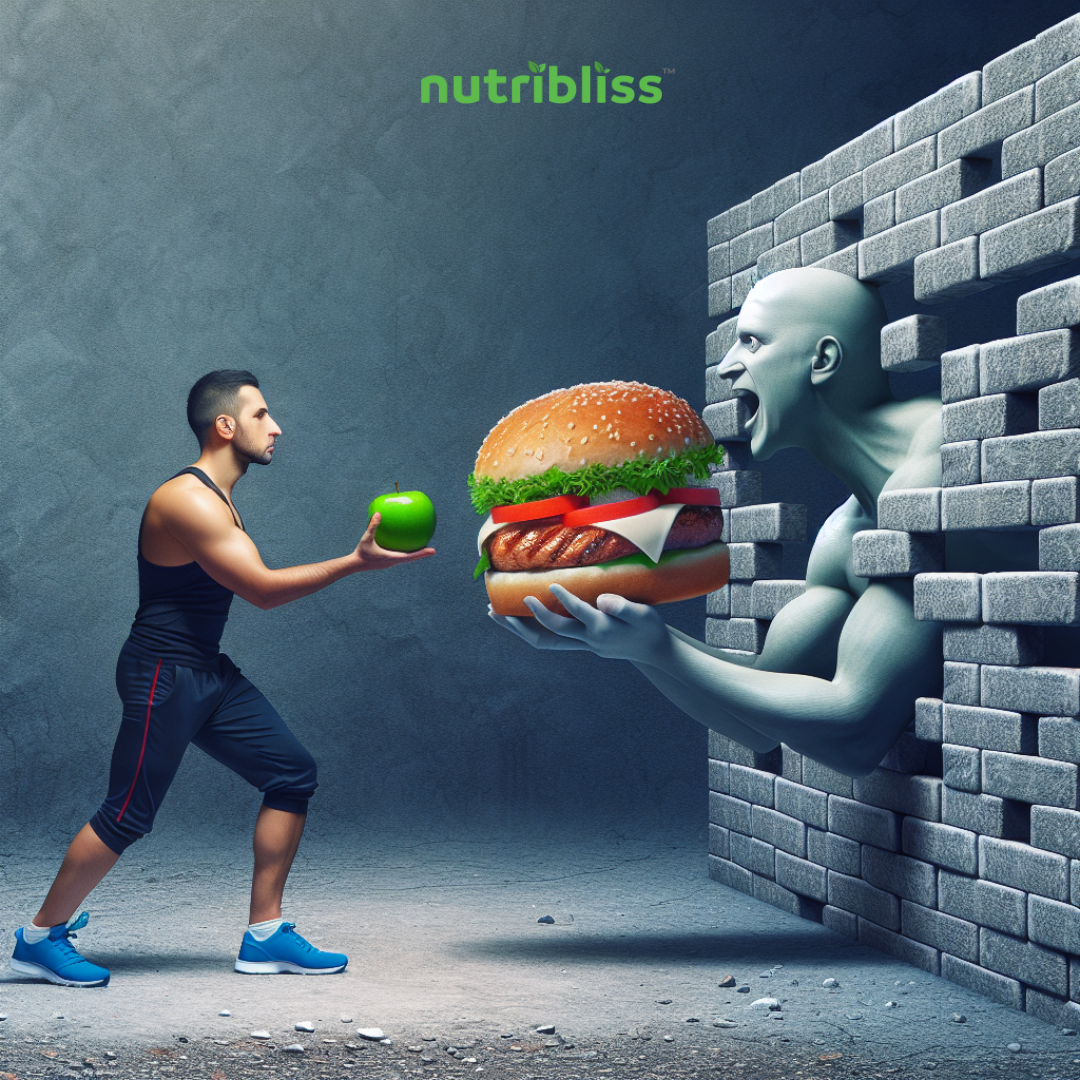
Understanding Your Junk Food Cravings
Junk food cravings can be quite powerful and difficult to resist, but understanding the underlying reasons behind them can help you gain control over your eating habits. In this section, we will explore what exactly constitutes a junk food craving and delve into the science behind these cravings.
What is a Junk Food Craving?
A junk food craving refers to a strong desire or urge to consume foods that are high in sugar, fat, salt, or processed ingredients. These cravings often center around popular junk food items like chips, cookies, sodas, and fast food. They can be triggered by various factors, including emotional, environmental, and physical cues.
The Science Behind Junk Food Addiction
Believe it or not, junk food cravings can be linked to addiction-like behaviors. Scientific research has shown that consuming highly palatable foods, such as those loaded with sugar and fat, can activate reward centers in the brain. This leads to the release of dopamine, a neurotransmitter associated with pleasure and reward.
Over time, repeated consumption of junk food can lead to a tolerance effect, where you need to consume larger amounts to experience the same level of satisfaction. This cycle can develop into a dependence on junk food, making it challenging to resist cravings and opt for healthier alternatives.
Understanding the science behind junk food addiction is crucial because it helps us realize that these cravings are not simply a matter of willpower. They are rooted in biological and psychological factors that can be addressed through various strategies and techniques.
By gaining a deeper understanding of what drives our cravings for junk food, we can begin to take proactive steps to overcome them and make healthier choices. So, let’s explore the triggers that can set off these cravings in the next section.
Identifying Triggers for Junk Food Cravings
To effectively combat junk food cravings, it’s essential to identify the triggers that lead to these intense urges. Triggers can be categorized into three main types: emotional, environmental, and physical. By understanding and recognizing these triggers, you can develop strategies to overcome them and reduce the frequency and intensity of your cravings.
Emotional Triggers
Emotional triggers are often linked to our mood and emotions. Stress, boredom, sadness, and even happiness can all contribute to cravings for junk food. Many people turn to comfort foods as a way to cope with negative emotions or reward themselves during positive moments. Identifying your emotional triggers and finding alternative ways to address these emotions is key to breaking the cycle of emotional eating.
Environmental Triggers
Environmental triggers are external cues that can prompt cravings for junk food. These triggers can include visual cues such as advertisements or the sight of a fast-food restaurant, as well as social situations like parties or gatherings where unhealthy food is readily available. Identifying your environmental triggers and finding ways to modify your surroundings can help reduce the temptation to indulge in junk food.
Physical Triggers
Physical triggers are related to bodily sensations and signals. For example, skipping meals or not consuming a balanced diet can lead to fluctuating blood sugar levels, which can trigger cravings for sugary or carb-rich foods. Lack of sleep, dehydration, and hormonal imbalances can also contribute to increased cravings. Recognizing and addressing these physical triggers through proper nutrition, hydration, and self-care can help alleviate the urge for junk food.
By becoming aware of your emotional, environmental, and physical triggers, you can take proactive steps to manage them. In the next section, we will explore healthy alternatives to junk food that can satisfy your cravings while nourishing your body.
Healthy Alternatives to Junk Food
When cravings for junk food strike, having healthy alternatives at hand can make all the difference. In this section, we will explore a variety of nutritious and satisfying options that can help you curb your cravings while nourishing your body.
Healthy Snack Options
Instead of reaching for a bag of potato chips or a candy bar, consider these healthier snack alternatives:
- Fresh fruits: Enjoy the natural sweetness and fiber of fruits like apples, berries, oranges, and grapes.
- Raw vegetables: Snack on crunchy carrots, cucumber slices, bell pepper strips, or cherry tomatoes for a low-calorie and nutrient-rich option.
- Nuts and seeds: Choose unsalted almonds, walnuts, pumpkin seeds, or sunflower seeds for a satisfying dose of healthy fats and protein.
- Greek yogurt: Opt for plain Greek yogurt topped with fresh fruits and a sprinkle of nuts for a creamy and protein-packed snack.
- Homemade trail mix: Create your own mix with a combination of dried fruits, nuts, and seeds for a customizable and portable snack.
How to Make Healthy Food Taste Good
One common misconception is that healthy food is bland and boring. However, with a little creativity, you can make nutritious meals and snacks flavorful and enjoyable:
- Experiment with herbs and spices: Enhance the taste of your dishes with a variety of herbs and spices like garlic, ginger, cumin, basil, or turmeric.
- Incorporate healthy fats: Add avocado, olive oil, or a dollop of nut butter to your meals for a satisfying richness and flavor.
- Roast or grill your veggies: Roasting or grilling vegetables can bring out their natural sweetness and create a delicious caramelized flavor.
- Try new cooking methods: Explore different cooking methods like steaming, sautéing, or stir-frying to retain the nutrients and flavors of your ingredients.
Meal Planning for Success
Meal planning can be a game-changer when it comes to avoiding junk food cravings. By planning your meals in advance, you can ensure that you have nutritious options readily available and reduce the temptation to reach for unhealthy snacks. Consider the following tips:
- Plan your meals and snacks for the week: Create a weekly meal plan, including breakfast, lunch, dinner, and snacks, to stay organized and on track.
- Prepare meals in advance: Batch cook and portion out meals and snacks, so you always have healthy options ready to grab when cravings strike.
- Stock your pantry and fridge with healthy ingredients: Fill your kitchen with whole grains, lean proteins, fresh produce, and other nutritious staples.
By incorporating these healthy alternatives and implementing meal planning strategies, you can make mindful choices and satisfy your cravings in a way that supports your overall well-being. In the next section, we will explore practical strategies to handle and overcome junk food cravings.
Practical Strategies to Handle Junk Food Cravings
Junk food cravings can be challenging to overcome, but with the right strategies, you can successfully manage and reduce their impact. In this section, we will explore practical tips and techniques to help you handle those cravings and make healthier choices.
Mindful Eating
Practicing mindful eating can be a powerful tool in managing junk food cravings. Here are some strategies to incorporate:
- Slow down and savor your food: Take the time to fully enjoy each bite, paying attention to the taste, texture, and aroma of your meals.
- Listen to your body’s hunger cues: Eat when you’re hungry and stop when you’re comfortably satisfied. Avoid using food as a distraction or emotional crutch.
- Engage your senses: Appreciate the colors, smells, and flavors of your food. Chew slowly and be present in the moment.
- Identify true hunger vs. emotional hunger: Before reaching for a snack, ask yourself if you’re genuinely hungry or if there are other emotions at play.
Building a Support System
Having a strong support system can greatly aid in managing cravings and maintaining a healthy diet. Consider the following:
- Seek support from family and friends: Share your goals and challenges with loved ones who can provide encouragement and accountability.
- Join a community or group: Connect with like-minded individuals who are also on a journey towards healthier eating. This can provide a sense of camaraderie and motivation.
- Enlist a buddy: Find a friend or family member who shares your desire to eat healthier. Hold each other accountable and provide support during challenging times.
Exercise and Its Role in Curbing Junk Food Cravings
Regular physical activity not only has numerous health benefits but can also help reduce junk food cravings. Consider the following:
- Engage in enjoyable activities: Find physical activities that you genuinely enjoy, whether it’s dancing, swimming, hiking, or cycling. This will make it easier to stick to a consistent exercise routine.
- Use exercise as a stress-reliever: Instead of turning to junk food when stressed, channel your energy into exercise. It can help improve your mood and reduce cravings.
- Stay active throughout the day: Incorporate movement into your daily routine by taking breaks to stretch, going for walks, or using stairs instead of elevators.
By practicing mindful eating, building a support system, and incorporating regular exercise, you can effectively handle and reduce junk food cravings. In the next section, we will discuss strategies to maintain a healthy diet in the long run and stay committed to your goals.
Maintaining a Healthy Diet in the Long Run
Maintaining a healthy diet in the long run requires consistency, commitment, and a positive mindset. In this final section, we will explore strategies to help you stay on track, set realistic goals, overcome setbacks, and celebrate your progress.
Setting Realistic Goals
Setting realistic goals is crucial to maintaining a healthy diet. Consider the following tips:
- Be specific: Set clear and measurable goals that align with your desired outcomes. For example, aim to consume five servings of fruits and vegetables per day or limit your intake of sugary drinks to once a week.
- Start small: Begin with small changes that are achievable and build upon them over time. This approach allows for gradual progress and increases the likelihood of long-term success.
- Focus on behavior, not just outcomes: Instead of solely focusing on weight loss or specific numbers on the scale, concentrate on adopting healthy habits and making sustainable lifestyle changes.
Dealing with Setbacks
It’s important to acknowledge that setbacks are a normal part of any journey towards a healthier diet. Here’s how to handle them:
- Practice self-compassion: Be kind to yourself and avoid self-criticism when faced with setbacks. Treat them as learning opportunities and a chance to grow.
- Reflect and recommit: Take a moment to reflect on what led to the setback and identify strategies to prevent similar situations in the future. Recommit to your goals and move forward with renewed determination.
- Seek support: Reach out to your support system for guidance and encouragement during challenging times. They can provide valuable insights and help you stay motivated.
Celebrating Progress
Celebrate your achievements along the way to maintain motivation and reinforce positive habits. Consider these ideas:
- Set milestones: Break down your long-term goals into smaller milestones. Celebrate each milestone achieved, whether it’s trying a new healthy recipe, reaching a certain number of workout sessions, or fitting into a smaller clothing size.
- Reward yourself: Treat yourself to non-food rewards for reaching your goals, such as a relaxing spa day, a new workout outfit, or a book you’ve been wanting to read.
- Track your progress: Keep a journal or use an app to track your achievements and progress. Seeing how far you’ve come can be incredibly motivating.
By setting realistic goals, navigating setbacks with resilience, and celebrating your progress, you can maintain a healthy diet in the long run and create a sustainable lifestyle. Remember, it’s about progress, not perfection.
As we conclude this blog post, we hope that the practical tips and strategies provided will empower you to take control of your cravings, make healthier choices, and embark on a journey towards a balanced and nourishing diet. Remember, you have the power to change your relationship with food and embrace a healthier, happier lifestyle.
For more blogs: https://nutriblissprobiotics.com/blog/
For Nutritional Supplements: https://nutribliss.us