
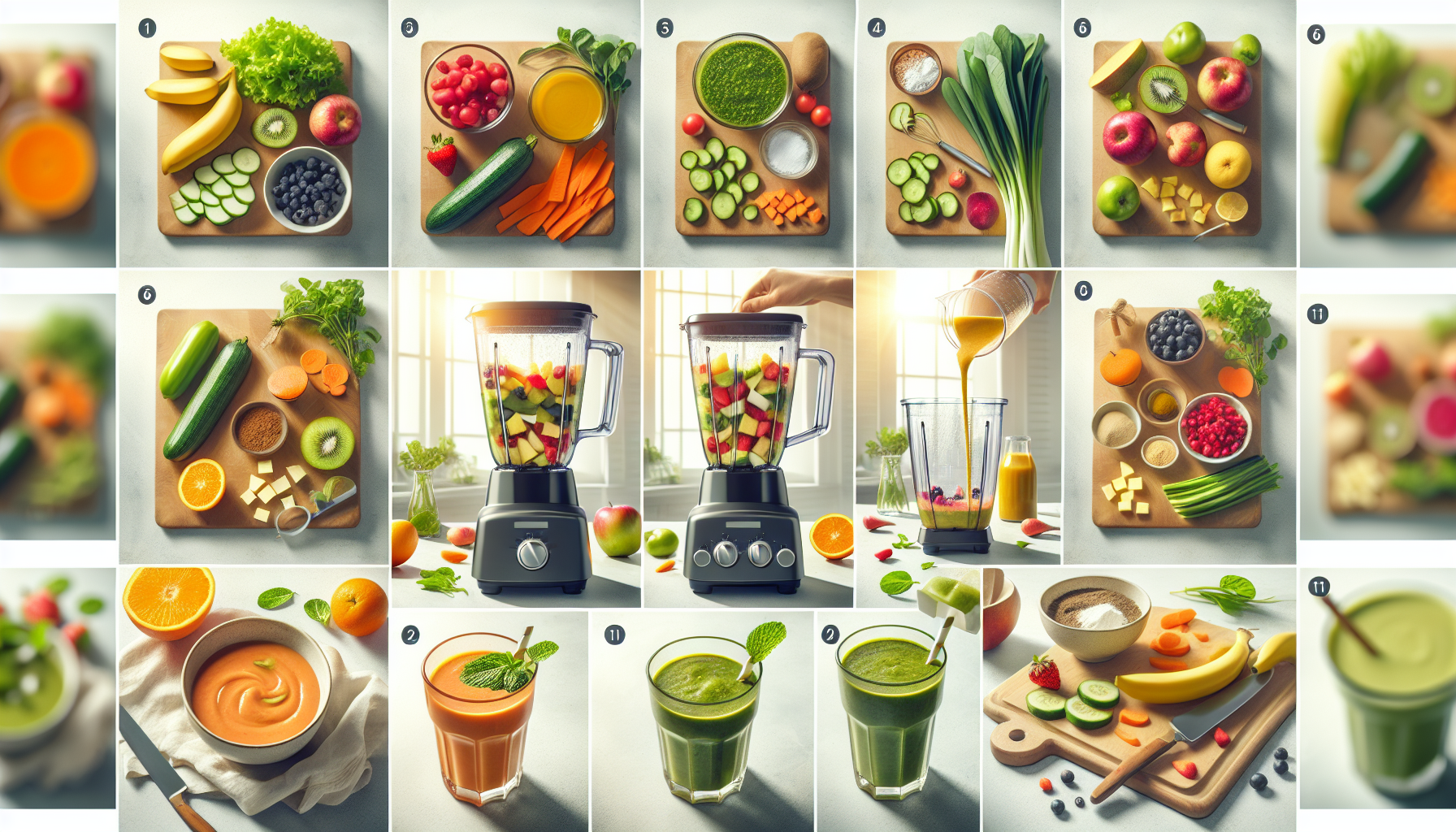
To learn more, visit us at https://nutriblissprobiotics.com/blog/
Are you looking to incorporate more nutrients into your diet in a delicious and convenient way? Look no further than the wonderful world of smoothies! In this comprehensive guide, we will explore the ins and outs of creating healthy smoothies that are not only tasty but also packed with essential vitamins and minerals. From understanding the basics of what makes a smoothie healthy to crafting mouthwatering recipes and maintaining a smoothie routine, this guide has got you covered. Get ready to blend your way to better health with our ultimate Guide to Making Healthy Smoothies.
Understanding the Basics: What Makes a Smoothie Healthy
Creating a healthy smoothie starts with understanding the key components that make it nutritious and beneficial for your well-being. In this section, we will delve into the basics of what makes a smoothie healthy, helping you make informed choices when it comes to ingredients and preparation.
1.1 Nutrient Density: Maximizing the Goodness
A healthy smoothie is all about packing in as many essential nutrients as possible. Learn how to maximize the nutrient density of your smoothie by incorporating a variety of fruits and vegetables that are rich in vitamins, minerals, and antioxidants.
1.2 Balancing Macronutrients: Fueling Your Body
Discover the importance of balancing macronutrients – carbohydrates, proteins, and fats – in your smoothie. Find out how to include the right amounts of each to provide sustained energy, promote muscle recovery, and support overall health.
1.3 Avoiding Added Sugars: Keeping It Naturally Sweet
Sugar-laden smoothies can quickly derail your healthy intentions. Explore strategies for minimizing added sugars and opting for natural sweetness through the use of ripe fruits, vegetables, and other wholesome ingredients.
1.4 Sneaking in Superfoods: Boosting Nutritional Power
Supercharge your smoothie by incorporating nutrient-dense superfoods. Uncover a variety of superfoods and learn how they can enhance the nutritional value of your smoothie, from chia seeds and spirulina to flaxseed and matcha.
1.5 Hydration and Smoothies: Staying Refreshed
Stay hydrated while enjoying your smoothie creations. Discover the importance of selecting hydrating ingredients and incorporating liquids that not only enhance the taste but also contribute to your body’s fluid needs.
1.6 The Role of Fiber: Aiding Digestion
Explore the role of fiber in smoothies and its benefits for digestive health. Learn about high-fiber ingredients to include in your smoothies, such as leafy greens, berries, and seeds, to promote satiety and support a healthy gut.
By understanding these fundamental elements of a healthy smoothie, you will be well-equipped to make informed choices when selecting ingredients and crafting your own nutritious blends. Let’s move on to the next section, where we will explore the specific ingredients that can contribute to the healthiness of your smoothies.
Ingredients for a Healthy Smoothie
To create a truly healthy and nourishing smoothie, it is essential to carefully select the right ingredients. In this section, we will explore the key components of a healthy smoothie, including fruits, vegetables, liquids, protein sources, and sweetening options. By understanding these ingredients, you will be able to create a well-balanced and nutritious smoothie that suits your taste preferences and dietary needs.
1. Fruit and Vegetable Selection
Choose a variety of fresh or frozen fruits and vegetables to add flavor, color, and a wide range of vitamins and minerals to your smoothie. Explore different options such as berries, bananas, spinach, kale, avocados, and more, to create a balanced and nutrient-rich blend.
2. Choosing the Right Liquid
Selecting the appropriate liquid for your smoothie can enhance the taste and texture while providing additional nutrients. Consider options like almond milk, coconut water, green tea, or even plain water. We’ll discuss the benefits and considerations of each liquid choice to help you make an informed decision.
3. Adding Protein and Fiber
To make your smoothie more filling and satisfying, incorporate sources of protein and fiber. Explore protein options such as Greek yogurt, silken tofu, hemp seeds, or protein powders. Additionally, find out about fiber-rich ingredients like chia seeds, ground flaxseeds, or oats, which can aid digestion and promote satiety.
4. Healthy Sweetening Options
If you prefer a sweeter smoothie, it’s important to choose healthier sweetening options to avoid adding excessive sugar. Discover natural sweeteners like dates, honey, or maple syrup, which can provide a touch of sweetness without compromising the nutritional value of your smoothie.
By understanding the importance of each ingredient and how they contribute to the overall healthfulness of your smoothie, you can create blends that are both delicious and packed with essential nutrients. In the next section, we will dive into the process of creating your very own healthy smoothie.
Creating Your Healthy Smoothie
Now that you have a good understanding of the ingredients that make a smoothie healthy, it’s time to put your knowledge into action. In this section, we will guide you through the process of creating your very own healthy smoothie. From proper blending techniques to balancing taste and nutrition, we’ll cover everything you need to know to make the perfect smoothie every time.
1. Proper Blending Techniques
Learn the art of blending to achieve a smooth and creamy texture in your smoothies. Discover tips and tricks for layering ingredients, blending times, and using the right equipment to ensure a well-mixed and delicious result.
2. Balancing Taste and Nutrition
Striking the right balance between taste and nutrition is key to creating a smoothie that you’ll enjoy drinking while still reaping the health benefits. Explore strategies for adjusting sweetness, acidity, and texture to suit your preferences without compromising the nutritional value of your smoothie.
3. Portion Control
While smoothies can be a great way to pack in nutrients, it’s important to practice portion control to avoid excessive calorie intake. Learn how to measure and control the portion size of your smoothie to maintain a healthy balance in your overall diet.
By mastering the art of creating a healthy smoothie, you’ll be able to customize and experiment with different flavors, textures, and ingredient combinations to suit your taste and nutritional goals. In the next section, we will provide you with some delicious and nutritious smoothie recipes to kickstart your smoothie-making journey.
Healthy Smoothie Recipes
Now that you have the knowledge and skills to create your own healthy smoothies, it’s time to dive into some delicious and nutritious recipes. In this section, we will provide you with a variety of smoothie recipes that are not only tasty but also packed with essential vitamins, minerals, and antioxidants. Whether you’re looking for a refreshing green detox smoothie or a protein-packed breakfast option, we’ve got you covered. Get ready to blend and enjoy!
1. Green Detox Smoothie
Kickstart your day with a refreshing green detox smoothie that will nourish your body and boost your energy levels. This recipe combines leafy greens like spinach or kale with hydrating ingredients like cucumber and coconut water for a refreshing and cleansing blend.
2. Protein-Packed Breakfast Smoothie
Start your mornings right with a protein-packed smoothie that will keep you full and satisfied throughout the day. This recipe includes ingredients like Greek yogurt, almond butter, and berries, providing a perfect balance of protein, healthy fats, and antioxidants.
3. Antioxidant Berry Blast Smoothie
Indulge in a burst of antioxidants with this delicious berry blast smoothie. Packed with a variety of berries such as strawberries, blueberries, and raspberries, this recipe is not only rich in flavor but also high in vitamins and antioxidants.
4. Tropical Energy-Boosting Smoothie
Transport yourself to a tropical paradise with this energy-boosting smoothie. Blending tropical fruits like pineapple, mango, and banana with coconut milk or water, this recipe is a delightful and refreshing way to start your day or recharge in the afternoon.
With these mouthwatering smoothie recipes, you’ll never run out of ideas to fuel your body with nutritious and flavorful blends. Feel free to customize these recipes to suit your taste preferences and dietary needs. In the next section, we will explore the importance of maintaining a healthy smoothie routine.
Maintaining a Healthy Smoothie Routine
Creating a healthy smoothie routine is not just about making occasional blends; it’s about incorporating them into your daily lifestyle. In this section, we will discuss the importance of maintaining a healthy smoothie routine and provide tips for making it a sustainable and enjoyable part of your overall diet.
1. How Often Should You Have a Smoothie?
Discover the ideal frequency of consuming smoothies to reap the maximum benefits while ensuring a well-rounded diet. Learn about the recommended serving sizes and frequency to strike a balance between enjoying smoothies and diversifying your nutrient intake from other food sources.
2. Rotating Ingredients for Balanced Nutrition
To ensure you’re getting a wide range of nutrients, it’s important to rotate the ingredients in your smoothies. Explore different fruits, vegetables, and protein sources to keep your smoothies exciting and to provide your body with a diverse array of vitamins, minerals, and antioxidants.
3. Making Smoothies Part of a Balanced Diet
Smoothies should be viewed as a complement to a balanced diet rather than a replacement for whole foods. Discover how to incorporate smoothies alongside other nutritious meals and snacks to create a well-rounded and sustainable approach to healthy eating.
4. Prepping and Storing Smoothie Ingredients
Save time and streamline your smoothie routine by prepping and storing ingredients in advance. Learn effective strategies for prepping fruits, vegetables, and other smoothie components to make your daily smoothie-making process more convenient and efficient.
5. Troubleshooting and Overcoming Challenges
Smoothie routines can sometimes face challenges, whether it’s flavor fatigue or difficulty sticking to the routine. Explore tips and solutions for overcoming common challenges, maintaining motivation, and keeping your smoothie routine on track.
By incorporating these tips and techniques into your routine, you can ensure that healthy smoothies become a sustainable habit in your life. From understanding the optimal frequency of consumption to troubleshooting common challenges, you’ll be well-equipped to maintain a healthy and enjoyable smoothie routine.