
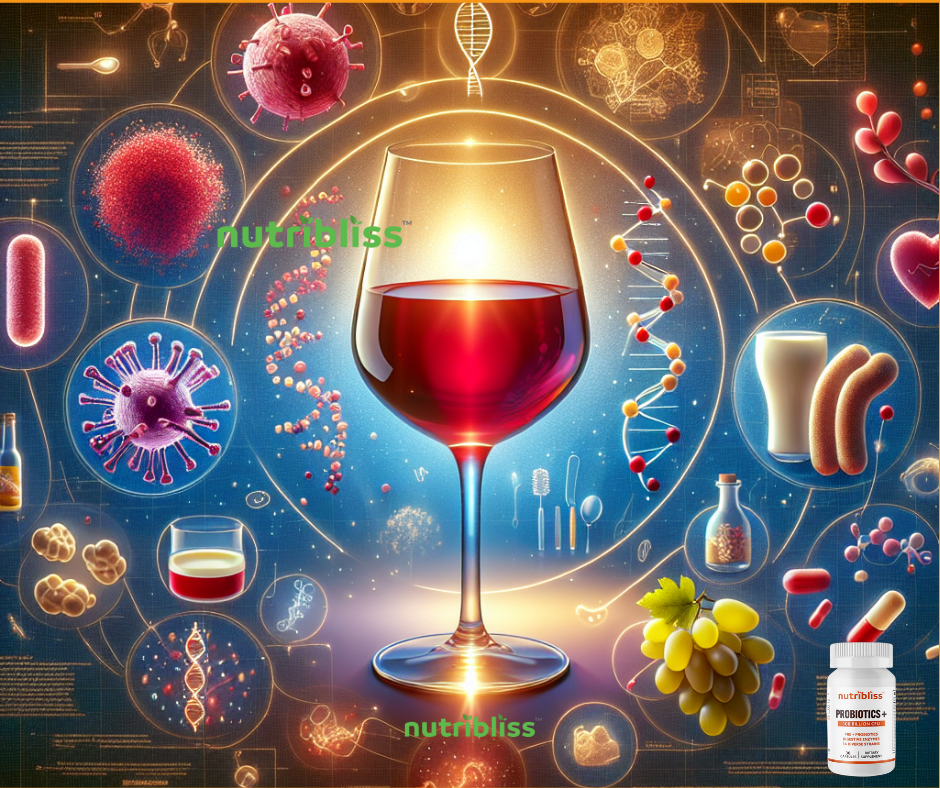
In an age where the quest for improved digestive health is on the rise, the question “does wine help with digestion” has become more pertinent than ever. The connection between moderate wine consumption, particularly red wine, and its impact on gut health has intrigued both wine enthusiasts and the health-conscious alike. The fermentation process responsible for transforming grapes into wine produces a plethora of compounds, some of which are said to promote digestive health. This spotlight on the potential probiotic benefits of wine adds a fascinating layer to the health narratives surrounding one of humanity’s oldest beverages.
This article delves into the scientific underpinnings of how wine might aid digestion through its content of probiotic substances such as lactic acid bacteria, pediococcus, and beneficial enzymes like lysozyme. It explores whether wine truly contains these probiotics and how it compares to other probiotic foods in promoting gut health. Furthermore, the health benefits of probiotics present in wine, specifically their potential roles in bile regulation, cholesterol-lowering, and support for intestinal cells, will be examined. Additionally, the importance of moderation in consuming red wine for digestive benefits will be highlighted, alongside discussing future directions and emerging research in the realm of probiotic wine and its impact on gastrointestinal wellness.
The Science of Fermentation and Probiotics
Understanding Fermentation
Fermentation is a crucial process in winemaking, where yeast transforms grape “must” into wine by converting grape sugars into alcohol and other compounds that influence the wine’s characteristics. This transformation involves not only alcohol production but also the formation of esters, tannins, acetaldehyde, anthocyanins, sulfites, and amino acids, each contributing uniquely to the aroma, flavor, and color of the wine. For instance, esters provide delicate fruity aromas, while tannins contribute to the wine’s dryness and mouthfeel. The fermentation process is also marked by the competition among various yeast species, which affects the final flavor profile and complexity of the wine.
What Are Probiotics?
Probiotics are live microorganisms that, when administered in adequate amounts, confer a health benefit on the host. They are found in various foods and supplements and are particularly known for their role in maintaining and restoring the gut flora. Probiotics like Lactobacillus and Bifidobacterium species are among the most studied and are known to prevent and treat various digestive issues and improve overall health.
The Role of Lactic Acid Bacteria
Lactic acid bacteria (LAB) are key players in many fermentation processes, including those involved in the production of wine, yogurt, and cheese. These bacteria not only help in the fermentation process but also enhance the safety, nutritional value, and flavor of the food products. LAB are capable of metabolizing sugars into lactic acid, which helps in preserving the food and inhibiting the growth of harmful bacteria. In the context of winemaking, LAB can influence the overall quality and stability of wine by affecting the malolactic fermentation, which can soften the wine and enhance its flavor.
Each of these components—yeast in fermentation, probiotics, and lactic acid bacteria—plays a vital role in the science of fermentation and probiotics, impacting everything from the quality of wine to the health benefits associated with probiotic foods.
Does Wine Contain Probiotics?
Research Findings on Wine’s Probiotic Potential
Wine, as a fermented beverage, undergoes a process where bacteria and yeasts transform the base ingredients into the final alcoholic product. However, unlike other fermented foods like kombucha, the winemaking process often involves the addition of sulphites, which can kill off many of these beneficial microorganisms. Despite this, certain robust bacteria might survive. Research conducted by Dolores González de Llano at Universidad Autónoma de Madrid identified strains of lactic acid bacteria in red wine that displayed probiotic qualities, such as the ability to survive simulated gastric juices and adhere to intestinal cells.
Types of Bacteria Found in Wine
The study specifically isolated 11 strains of lactic acid bacteria, including Pediococcus pentosaceus, Lactobacillus casei, Lactobacillus plantarum, and Oenococcus oeni. These strains were not only capable of surviving harsh conditions mimicking the human digestive system but also exhibited the ability to adhere effectively to gut wall epithelial cells, which is a crucial characteristic of probiotics. One particular strain, P. pentosaceus CIAL-86, was noted for its excellent adhesion properties and its activity against harmful bacteria like E. coli.
Challenges with Wine as a Probiotic Source
Although the presence of probiotic strains in wine is scientifically supported, the concentration of these microorganisms is generally lower compared to more traditional sources of probiotics like sauerkraut or miso. This lower microbial count means that the probiotic ‘dose’ one might obtain from a typical glass of wine is insufficient to confer significant health benefits. Additionally, the variability in winemaking processes and the impact of storage conditions on the viability of these bacteria pose further challenges in using wine as a reliable source of probiotics. Thus, while wine does contain some probiotic properties, relying on it solely for probiotic benefits, as opposed to a more targeted probiotic supplement, is not advisable.
Comparing Wine to Other Probiotic Sources
Dairy Products and Probiotics
Dairy products like yogurt and kefir are renowned for their probiotic content, essential for gut health. Yogurt is typically fermented with specific strains such as Lactobacillus bulgaricus and Streptococcus thermophilus, offering a limited variety of probiotics but is well-loved for its creamy texture and tart flavor. It is a staple in diets due to its high levels of calcium and protein, which contribute to its health benefits. On the other hand, kefir, often referred to as the “champagne of dairy products,” is fermented with a much broader range of bacteria and yeasts. This diversity in microbial culture allows kefir to provide a more extensive array of probiotics, often containing over 30 different strains, making it a potent source for improving digestive health.
Fermented Foods Beyond Dairy
Exploring beyond dairy, other fermented foods also serve as significant sources of probiotics. These include non-dairy options like sauerkraut, olives, and various fermented cereals which play a crucial role in traditional diets across the globe. For instance, cereals such as maize, sorghum, and millet are fermented to enhance their nutritional properties and bioavailability of minerals like iron and zinc. These cereal-based probiotics are particularly valued in non-Western diets and are emerging as functional foods in the global market due to their health benefits and cultural significance.
Wine vs. Dairy: A Probiotic Perspective
When comparing wine to traditional probiotic sources such as dairy, it’s evident that wine does possess probiotic qualities due to the presence of lactic acid bacteria like Lactobacillus and Pediococcus. These bacteria can survive the acidic conditions of the stomach and adhere to intestinal cells, which is crucial for their probiotic function. However, the process of sulfating in winemaking significantly reduces the number of viable probiotic bacteria, making wine a less potent source of probiotics compared to dairy products. Despite this, the isolated probiotic strains from wine could potentially be utilized in functional foods or commercial probiotics, offering a new avenue for the use of wine-derived probiotics.
Health Benefits of Probiotics in Wine
Understanding the Gut Microbiome
Research indicates that moderate consumption of red wine might positively affect the gut microbiome. This community of trillions of microorganisms inhabiting our lower intestines plays a crucial role in our overall health, influencing everything from metabolism to immune system responses. In particular, polyphenols found in red wine are thought to boost the diversity and function of these gut microbes. Studies have shown that these interactions may affect not only gut health but also broader aspects of our health, including brain function and disease resistance.
Potential Cardiovascular and Cholesterol Benefits
Red wine is renowned not only for its cultural and sensory appeal but also for potential health benefits, particularly concerning cardiovascular health. The polyphenols in red wine, such as resveratrol, have been observed to have antioxidant properties, which may help reduce the risk of coronary heart disease by preventing the formation of harmful blood clots and reducing inflammation. Additionally, these compounds might help lower LDL cholesterol, commonly referred to as “bad” cholesterol, and increase HDL cholesterol, known as “good” cholesterol, thus supporting overall heart health. However, it is crucial to note that studies have shown mixed results, and the exact mechanisms and effectiveness of resveratrol in promoting heart health are still under investigation.
Limitations in Current Research
While the potential health benefits of probiotics in red wine are promising, there are significant limitations in current research that must be acknowledged. The concentration of probiotic organisms in red wine is relatively low compared to more traditional sources like yogurt or kefir. This factor, combined with the variability in wine production processes, makes it difficult to determine the exact impact of red wine on health. Furthermore, the presence of alcohol and other compounds in wine might counteract some of the beneficial effects of probiotics. Therefore, more research is needed to fully understand the role of red wine as a probiotic source and its true impact on health.
Moderation and the Role of Red Wine
Recommended Consumption Levels
Moderate consumption of red wine is often highlighted for its potential health benefits, particularly regarding cardiovascular health. For healthy adults, moderation is defined as up to one drink per day for women and up to two drinks per day for men. These guidelines are supported by the understanding that moderate alcohol intake can raise HDL cholesterol, also known as the “good” cholesterol, and help prevent artery damage from high levels of LDL cholesterol, the “bad” cholesterol. However, exceeding these amounts can lead to serious health risks, including increased chances of heart disease, liver disease, and certain types of cancer.
Red Wine’s Unique Components
Red wine is distinguished from other alcoholic beverages by its content of polyphenols, including [resveratrol](https://nutriblissprobiotics.com/2024/05/08/ask-the-gut-guru-answers-to-your-most-burning-gut-health-questions/), which are antioxidants that may reduce oxidative stress and lower the risk of heart disease. These compounds are not only found in wine but also in the skins of grapes used in its production, which are preserved during the winemaking process. While other foods such as peanuts, blueberries, and cranberries also contain resveratrol, red wine is unique in its combination of these antioxidants with alcohol, which may enhance their absorption and cardiovascular benefits.
Balancing Benefits and Risks
While the moderate consumption of red wine can be part of a healthy diet, it is crucial to balance these benefits against the risks associated with alcohol. Drinking beyond moderate levels can lead to dependency, liver damage, and an increased risk of cancer and other diseases. Furthermore, specific populations, such as individuals with a history of alcohol abuse, pregnant women, or those with certain medical conditions, should avoid alcohol altogether to prevent adverse health effects. Therefore, while red wine may contribute positively to health when consumed in moderation, it is essential to consider individual health conditions and consult healthcare providers when necessary.
Future Directions and Emerging Research
Innovations in Probiotic Delivery
The encapsulation technology has emerged as a promising solution for enhancing the stability and effectiveness of probiotics. This technology not only protects probiotics from harsh environmental conditions such as light, heat, and oxygen but also ensures their viability during industrial processes and storage. Encapsulation can significantly improve the bioavailability of probiotics by creating an optimal microenvironment that shields them from the acidic pH and enzymatic activity in the gastrointestinal tract. Innovative materials like alginate, chitosan, and various polysaccharides are used to form microcapsules that can efficiently deliver probiotics at the target site. Furthermore, advancements in nanoparticle carriers and emulsion techniques are enhancing the controlled release and stability of probiotics during fermentation processes.
Co-encapsulation techniques, which involve enclosing probiotics with other beneficial compounds such as prebiotics or nutrients, are also gaining traction. These methods, including spray drying, freeze drying, and electrospraying, offer enhanced protection and synergistic effects, improving the overall health benefits of probiotics. Research continues to explore these innovative delivery systems to maximize the therapeutic potential of probiotics in food and pharmaceutical applications.
The Potential of Non-Dairy Probiotics
Recent research has highlighted the significant potential of non-dairy fermented beverages as carriers for probiotics. These beverages, derived from legumes, cereals, pseudocereals, fruits, and vegetables, are proving to be viable alternatives to traditional dairy-based probiotics, especially for individuals with dietary restrictions such as lactose intolerance or milk protein allergies. For instance, soybean and chickpea beverages offer high-quality proteins and essential nutrients, making them excellent matrices for probiotic delivery.
Cereals and pseudocereals like oat and quinoa are also gaining popularity due to their rich nutritional profiles and the presence of bioactive compounds such as β-glucan, which exhibits prebiotic properties beneficial for gut health. Moreover, fruit and vegetable beverages are not only appealing due to their refreshing flavors but also provide a rich source of antioxidants and vitamins, enhancing the overall nutritional value of probiotic products.
As the demand for plant-based and allergen-free probiotic products grows, these non-dairy alternatives are expected to play a crucial role in the future of functional food development, offering new opportunities for health improvement and dietary diversity.
Conclusion
Throughout the exploration of wine’s relationship with digestion, it’s clear that while not a panacea, moderate wine consumption, particularly red wine, does offer certain probiotic benefits that can positively influence gut health. The presence of lactic acid bacteria and probiotic substances within wine serves as a testament to the complex interplay between fermentation processes and the potential health benefits they can confer. However, it is essential to remember that the probiotic content in wine cannot replace traditional sources such as yogurt or kefir, which offer a more potent and diversified probiotic profile essential for maintaining a healthy digestive system.
The significance of moderation in wine consumption cannot be overstated, especially when considering the balance between alcohol’s potential health benefits and risks. As research continues to unveil new insights into probiotic delivery systems and the prospect of non-dairy fermented beverages as viable carriers for probiotics, it presents an exciting future for dietary supplements and functional foods. For those interested in expanding their understanding of gut health and the role of probiotics, further insights and discussions can be explored on our blog, offering a wealth of knowledge that can empower individuals to make informed decisions regarding their digestive health and overall well-being.
FAQs
1. Does wine function as a probiotic?
While wine doesn’t act as a probiotic like yogurt or probiotic pills, which introduce beneficial bacteria strains directly into your gut, it does have a prebiotic-like effect. According to Le Roy, wine supports the beneficial bacteria that are already present in your gut, rather than adding new ones.
2. Is it safe to drink wine after consuming probiotics?
There are no strict restrictions against consuming alcohol after taking probiotics as they are not medications. However, it’s important to note that alcohol can potentially damage the live cultures and bacteria populations in your gut. Therefore, if you are taking probiotic supplements, you might want to consider the effects of alcohol on these beneficial bacteria.
3. How does wine affect the digestive system?
Wine, particularly red wine, can enhance digestive function and contribute to gut well-being due to its anti-inflammatory properties and the presence of certain polyphenols. These elements can help maintain a balanced gut environment. Nevertheless, it is essential to consume wine in moderation to reap these benefits.
4. What should you avoid drinking while taking probiotics?
When taking probiotics, it’s advisable to avoid strongly acidic beverages that could harm the delicate bacteria. Acidic drinks, such as wine or citrus fruit juices, can damage the probiotics if consumed together. It’s best not to pair your probiotic supplement with these types of drinks, especially during meals like breakfast.