
Introduction: Exploring the Power of DIY Probiotics
Welcome to our comprehensive guide on DIY probiotics, where we delve deep into the art and science of fermenting your way to optimal health. In this article, we’ll uncover the secrets of harnessing probiotic-rich foods, guiding you through the process step by step. Whether you’re a novice or a seasoned fermenting enthusiast, this guide is designed to elevate your knowledge and empower you to create potent probiotic concoctions right in your own kitchen.
Understanding Probiotics: Nature’s Gut Superheroes
Before we dive into the world of DIY probiotics, let’s grasp the essence of what makes these microorganisms so vital for our well-being. Probiotics are live bacteria and yeasts that offer a plethora of health benefits, especially for our digestive system. They play a crucial role in maintaining a healthy gut microbiome, which is linked to improved digestion, strengthened immunity, and even enhanced mental health.
The Benefits of DIY Probiotics
1. Cost-Effective Health Solution
One of the most appealing aspects of DIY probiotics is their cost-effectiveness. Unlike store-bought probiotic supplements, which can be expensive, fermenting your own foods allows you to reap the same benefits at a fraction of the cost. This affordability makes probiotics accessible to a wider audience, promoting inclusivity in holistic health practices.
2. Customized Probiotic Strains
When fermenting at home, you have full control over the strains of probiotics you introduce into your diet. This customization allows you to target specific health concerns or preferences, such as lactose intolerance, immune support, or general gut health improvement.
3. Sustainable and Eco-Friendly
By fermenting your own foods, you contribute to a more sustainable lifestyle. You reduce packaging waste associated with store-bought probiotics and support eco-friendly practices by utilizing local, organic ingredients.
Getting Started: DIY Probiotic Recipes
1. Sauerkraut: The Classic Probiotic Delight
Sauerkraut is a staple in the world of DIY probiotics, offering a tangy, probiotic-rich addition to your meals. To make sauerkraut at home, all you need are cabbage, salt, and a bit of patience. Simply shred the cabbage, mix it with salt, pack it into a jar, and let it ferment for a few days to develop its signature flavor and health benefits.
2. Kombucha: A Refreshing Fermented Beverage
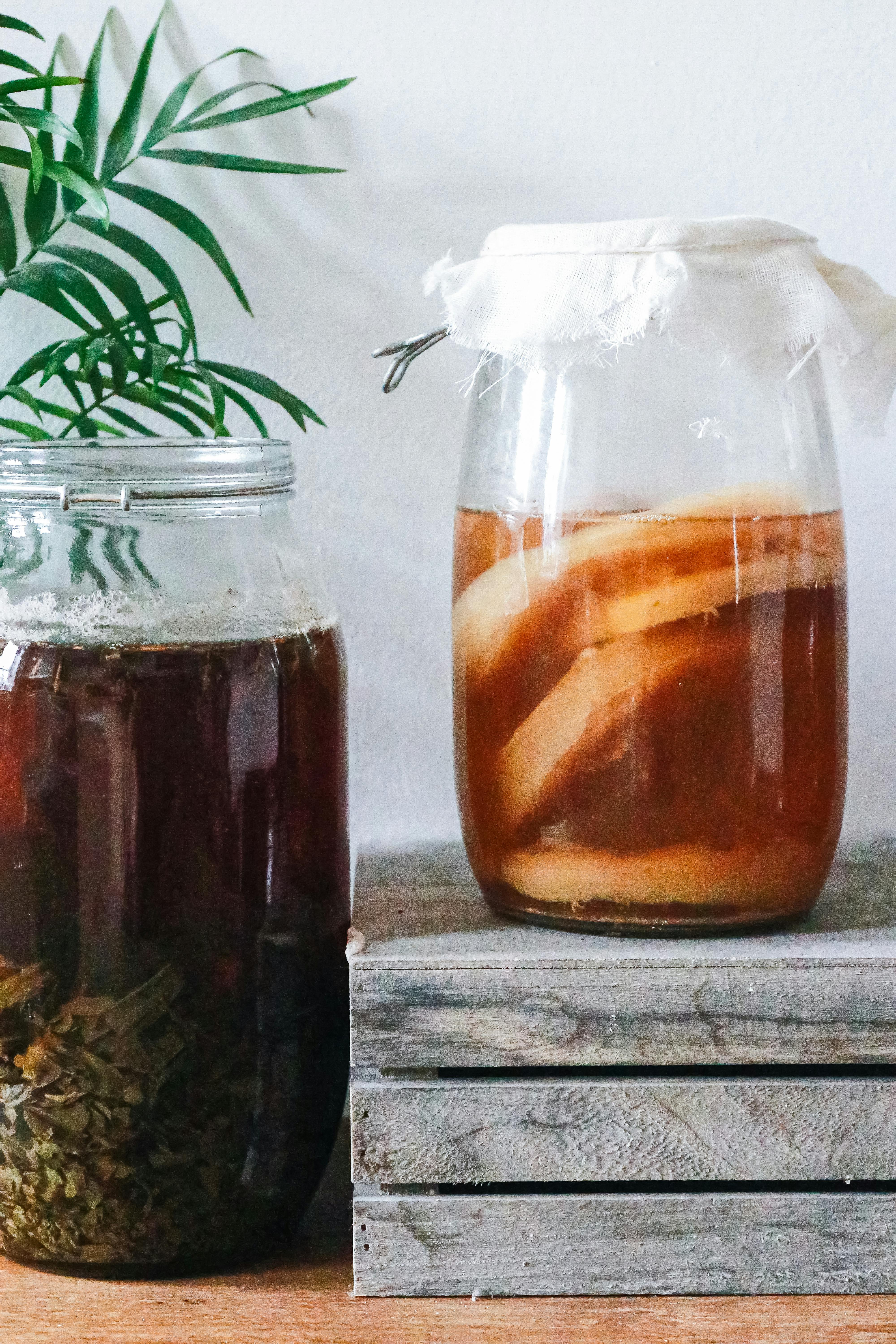
Kombucha has gained popularity as a probiotic-packed beverage with a refreshing kick. Brewing kombucha at home involves tea, sugar, and a SCOBY (symbiotic culture of bacteria and yeast). As the mixture ferments, it transforms into a fizzy, probiotic elixir that supports digestive health and offers a delightful alternative to sugary sodas.
3. Yogurt: Creamy and Probiotic-Rich
Homemade yogurt is a versatile probiotic option that you can enjoy on its own or use as a base for various dishes. All you need is milk and a starter culture containing live probiotic strains. With a bit of warmth and time, you’ll have creamy, probiotic-packed yogurt ready to elevate your meals and snacks.
Pro Tips for Optimal DIY Probiotics
- Sterilize Equipment: Ensure that all utensils and containers used for fermenting are thoroughly cleaned and sterilized to prevent unwanted bacteria from interfering with the fermentation process.
- Monitor Fermentation: Regularly check on your fermenting creations to gauge their progress. Taste tests and visual inspections can help you determine when they’ve reached the desired level of fermentation.
- Experiment with Flavors: Don’t hesitate to experiment with different ingredients and flavor combinations to create unique probiotic creations that suit your taste preferences.
Conclusion: Embracing the DIY Probiotic Journey
In conclusion, DIY probiotics offer a gateway to improved health, digestive wellness, and sustainability. By fermenting your own foods, you unlock a world of benefits while gaining control over what goes into your body. Whether you’re fermenting for health reasons, culinary exploration, or environmental consciousness, the journey of DIY probiotics is both rewarding and enriching.