
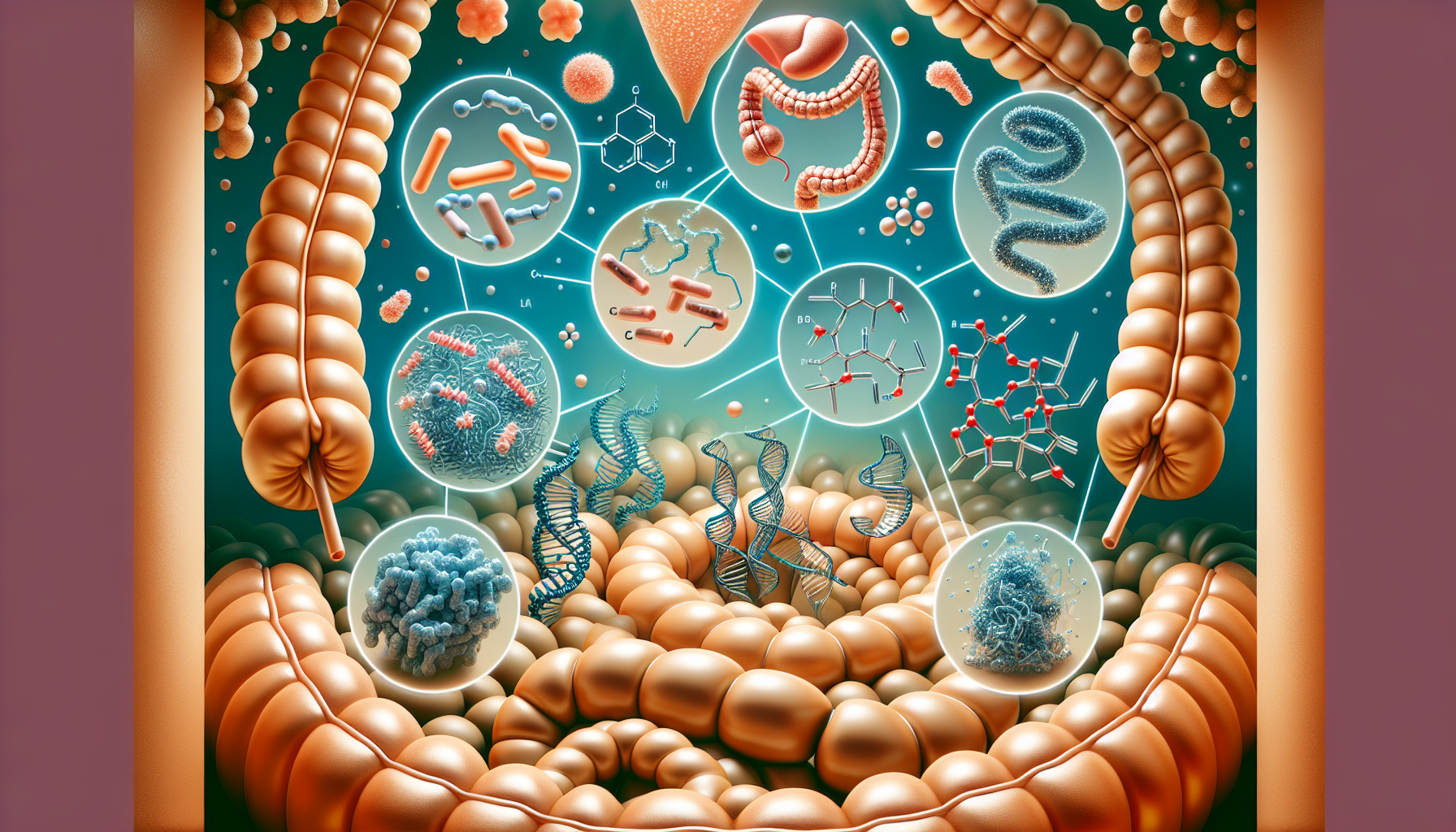
Understanding Digestive Enzymes
Digestive enzymes play a critical role in ensuring that the food we eat is broken down into simpler substances that the digestive tract can absorb. This section will explore the role of digestive enzymes and their natural sources.
Role of Digestive Enzymes
Digestive enzymes accelerate chemical reactions in the digestive system, breaking down complex food molecules into simpler forms that can be easily absorbed by the body. These enzymes are secreted by the salivary glands, stomach lining, pancreas, and small intestine (Verywell Health).
Some of the most important digestive enzymes include:
- Amylase: Breaks down carbohydrates into simple sugars.
- Protease: Breaks down proteins into amino acids.
- Lipase: Breaks down fats into fatty acids and glycerol.
- Maltase, Lactase, and Sucrase: Break down specific sugars like maltose, lactose, and sucrose, respectively.
These enzymes ensure that nutrients are released from food and absorbed across the intestinal barrier into the bloodstream, increasing the bioavailability of nutrients.
Natural Sources of Enzymes
Natural sources of digestive enzymes, such as fruits and vegetables, can enhance digestion. However, insufficient production of digestive enzymes by the body can lead to digestive issues like stomachaches, diarrhea, and gas.
Here are some foods rich in digestive enzymes:
| Enzyme | Natural Source |
|---|---|
| Amylase | Bananas, mangoes, honey |
| Protease | Pineapples (bromelain), papayas (papain), kiwifruit |
| Lipase | Avocados, sprouted seeds, nuts |
| Lactase | Fermented dairy products (yogurt, kefir) |
| Sucrase | Sweet potatoes, beets |
Incorporating these foods into your diet can help support the body’s natural enzyme production. For individuals experiencing persistent digestive issues, supplementing with digestive enzymes may be beneficial. Learn more about the different types of enzymes and their functions in our section on common digestive enzymes.
Common Digestive Enzymes
Digestive enzymes play a crucial role in breaking down food into nutrients that the body can absorb. Here, we focus on three primary enzymes: amylase, protease, and lipase.
Amylase and Its Function
Amylase is an enzyme primarily produced in the pancreas, but it is also secreted by the salivary glands and small intestine. Its main role is to break down starches into sugars, which are then converted into glucose and absorbed into the bloodstream through the small intestine wall.
| Source of Amylase | Function |
|---|---|
| Pancreas | Converts starches to sugars |
| Salivary Glands | Begins carbohydrate digestion in the mouth |
| Small Intestine | Continues carbohydrate digestion |
Measuring amylase levels in the blood can help diagnose pancreas or other digestive tract diseases.
Protease and Protein Breakdown
Protease is essential for breaking down proteins into smaller peptides and amino acids. This enzyme is produced in the stomach, pancreas, and small intestine. In the stomach, pepsin is the primary enzyme that initiates protein digestion. Pancreatic enzymes, including trypsin and chymotrypsin, further break down protein molecules in the small intestine.
| Source of Protease | Function |
|---|---|
| Stomach (Pepsin) | Initiates protein digestion |
| Pancreas (Trypsin, Chymotrypsin) | Continues protein digestion in the small intestine |
| Small Intestine | Finalizes protein breakdown |
Protease is one of several enzymes that target specific nutrients for absorption.
Lipase and Fat Digestion
Lipase is crucial for the digestion of fats. This enzyme is produced in the pancreas and small intestine, and it breaks down fat molecules into fatty acids and glycerol. Lipase is also present in breast milk, aiding infants in digesting fats efficiently.
| Source of Lipase | Function |
|---|---|
| Pancreas | Digests dietary fats |
| Small Intestine | Continues fat digestion |
| Mouth, Stomach | Produces small amounts of lipase |
Lipase ensures that lipids serve their functions, such as energy storage and cellular health.
Understanding the roles of these common digestive enzymes can help individuals manage their digestive health better. For more information on enzyme-related digestive issues, visit our pages on digestive enzymes and digestive health.
Conditions Affecting Enzyme Production
Several conditions can impact the production of digestive enzymes, leading to various digestive issues. Two common conditions include lactose intolerance and exocrine pancreatic insufficiency (EPI).
Lactose Intolerance
Lactose intolerance arises from an inadequate production of the enzyme lactase in the small intestine. Lactase breaks down lactose, a sugar found in dairy products, into glucose and galactose. When the small intestine doesn’t produce enough lactase, lactose remains undigested, leading to symptoms such as gas, diarrhea, and bloating.
Lactose intolerance is more prevalent among individuals of African, Asian, or Hispanic descent (WebMD). The condition can be managed by reducing dairy intake or using lactase supplements to aid in the digestion of lactose. For more information on managing lactose intolerance, visit our article on digestive enzymes.
Exocrine Pancreatic Insufficiency (EPI)
Exocrine Pancreatic Insufficiency (EPI) occurs when the pancreas is unable to produce sufficient digestive enzymes. This condition can result from damage to the pancreas due to various factors such as pancreatitis, cystic fibrosis, or pancreatic cancer (WebMD, Clinical Education). Symptoms of EPI include malnutrition, weight loss, and steatorrhea (fatty stools).
Managing EPI typically involves lifestyle changes and prescription enzyme supplements to aid digestion (WebMD). It’s essential to work with a healthcare provider to determine the appropriate treatment plan. For more information on enzyme supplements, check out our article on digestive enzymes.
By understanding these conditions, individuals can take proactive measures to manage their symptoms and maintain digestive health. For those seeking relief from digestive issues, exploring the role of digestive enzymes can provide valuable insights.
Supplementing with Digestive Enzymes
Digestive enzyme supplements can be a useful addition for those experiencing digestive issues due to insufficient natural enzyme production. There are two main categories of enzyme supplements: over-the-counter options and prescription enzyme supplements.
Over-the-Counter Options
Over-the-counter (OTC) enzyme supplements are widely accessible and come in various forms, including pills, powders, and liquids. These supplements can help alleviate symptoms of digestive disorders by aiding in the breakdown of food and improving nutrient absorption. However, it’s important to note that OTC enzyme supplements are not regulated by the FDA as strictly as prescription medications, and their efficacy may vary.
Common ingredients in OTC enzyme supplements include:
- Amylase: Helps break down carbohydrates.
- Protease: Assists in protein digestion.
- Lipase: Aids in fat digestion.
Using OTC enzyme supplements may benefit individuals with mild digestive issues or those looking to enhance their digestive health. For more detailed information on specific supplements, check out our article on digestive enzymes.
Prescription Enzyme Supplements
Prescription digestive enzymes are typically part of a therapy known as pancreatic enzyme replacement therapy (PERT). These supplements are essential for individuals with conditions that significantly impact enzyme production, such as cystic fibrosis, pancreatitis, or pancreatic cancer.
Prescription enzyme supplements are available as capsules or tablets and often contain a combination of amylase, lipase, and protease. These medications are derived from pig pancreas and are designed to mimic natural pancreatic enzymes. Healthcare providers typically prescribe these enzymes in specific dosages to ensure proper food digestion and nutrient absorption.
| Meal Type | Enzyme Dosage (IU) |
|---|---|
| Main Meals | 30,000 – 40,000 |
| Snacks | 15,000 – 20,000 |
Figures based on Health.
Individuals with exocrine pancreatic insufficiency (EPI) often require PERT to manage their condition effectively. EPI occurs when the pancreas does not produce enough digestive enzymes, leading to improper food digestion in the small intestine (Health).
For those considering prescription enzyme supplements, it’s crucial to consult with a healthcare provider to determine the appropriate dosage and regimen. This ensures optimal enzyme function and helps manage digestive symptoms effectively.
For more information on the role and benefits of digestive enzymes, visit our comprehensive guide on digestive enzymes.
Factors Influencing Enzyme Function
Enzymes are crucial for numerous bodily functions, including digestion. Their efficacy can be affected by various factors such as temperature and pH levels. Understanding these factors is essential for optimizing the benefits of digestive enzymes.
Temperature and Enzyme Activity
Enzymes function best at specific temperatures. For humans, the optimal temperature is around 37°C (98.6°F), which is the body’s normal temperature. Deviations from this temperature can significantly impact enzyme activity.
| Temperature (°C) | Enzyme Activity Level |
|---|---|
| 20 | Low |
| 37 | Optimal |
| 45 | Reduced |
| 60 | Denatured |
At high temperatures, enzymes can become denatured. This means their structure, including the active site, is altered, rendering them non-functional. This change is often irreversible due to the breaking of weak forces that hold the enzyme’s structure together. Therefore, maintaining the ideal temperature is crucial for the proper function of digestive enzymes.
For more insights on how to maintain enzyme activity, explore our section on digestive enzymes.
pH Levels and Enzyme Function
Enzymes are also sensitive to pH levels. The shape of an enzyme’s active site can be altered by changes in pH, which can either enhance or inhibit its ability to bind to substrates. Extreme pH levels can lead to enzyme denaturation, similar to the effects of high temperature.
Different parts of the digestive system have unique pH levels optimized for specific enzyme activities. For example:
| Digestive Part | Optimal pH | Enzyme(s) Active |
|---|---|---|
| Stomach | 1.5 – 3.5 | Pepsin |
| Duodenum | 7 – 8 | Trypsin, Lipase |
In the stomach, the presence of hydrochloric acid creates an acidic environment suitable for enzymes like pepsin. Conversely, in the duodenum (part of the small intestine), the pH is more alkaline due to the secretion of sodium hydrogen carbonate, which is ideal for enzymes like trypsin and lipase (BBC Bitesize).
For those looking to optimize their digestive health, understanding the role of pH in enzyme function is crucial. Ensure that your diet and any digestive enzyme supplements you take align with these pH requirements for maximum efficacy.
For further reading on enhancing enzyme function through diet and supplements, visit our detailed guide on digestive enzymes.