
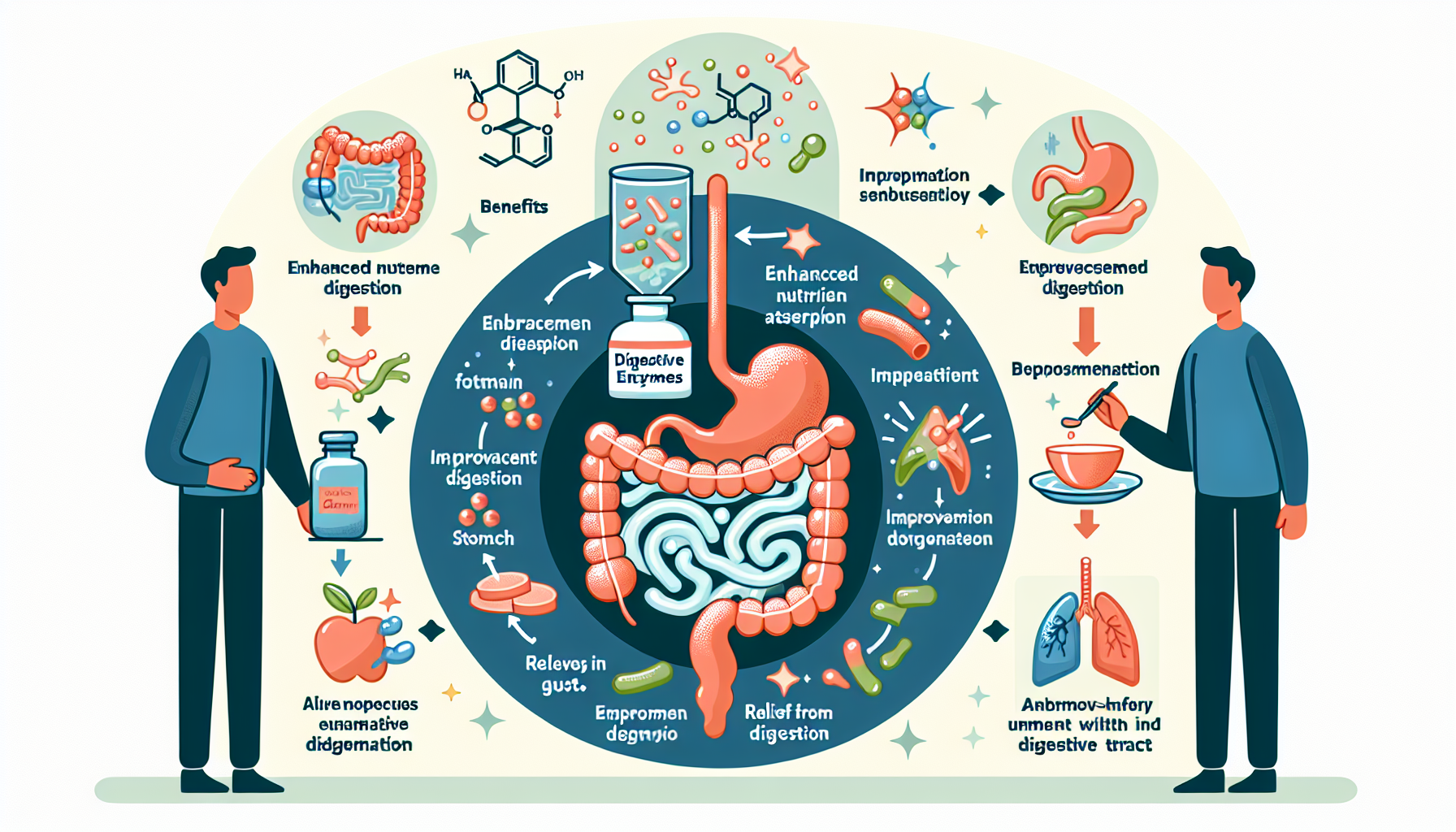
Understanding Digestive Enzymes
Digestive enzymes play a fundamental role in the body’s ability to break down food and absorb nutrients. These enzymes are essential for maintaining optimal digestive health, especially for individuals experiencing digestive issues.
Role of Digestive Enzymes in Digestion
Digestive enzymes are proteins produced by various organs in the body, including the stomach, pancreas, small intestine, and salivary glands. These enzymes help break down food into smaller molecules that can be easily absorbed by the digestive tract. According to WebMD, saliva, pancreas, gallbladder, liver, and cells on the surface of the intestines release digestive enzymes, which play a crucial role in breaking down food.
The primary digestive enzymes include:
- Amylase: Breaks down carbohydrates into simple sugars.
- Protease: Breaks down proteins into amino acids.
- Lipase: Breaks down fats into fatty acids and glycerol.
These enzymes speed up chemical reactions that turn nutrients into absorbable substances. The pancreas is considered the main enzyme “powerhouse,” producing enzymes that break down carbohydrates, proteins, and fats.
Importance of Enzymes for Nutrient Absorption
The efficiency of digestive enzymes directly impacts nutrient absorption. Without adequate enzyme activity, the body struggles to break down food properly, leading to malabsorption and potential nutrient deficiencies. Enzymes are released and activated at multiple points in the digestive process by the stomach, small intestine, and pancreas.
| Enzyme | Source | Function |
|---|---|---|
| Amylase | Saliva, Pancreas | Breaks down carbohydrates |
| Protease | Stomach, Pancreas | Breaks down proteins |
| Lipase | Pancreas | Breaks down fats |
Enzymes ensure that nutrients are sufficiently broken down into their simplest forms, making it easier for the digestive tract to absorb them. For example, carbohydrates are broken down into simple sugars, proteins into amino acids, and fats into fatty acids and glycerol (Cleveland Clinic).
Insufficient enzyme production can lead to various digestive symptoms and issues, such as bloating, gas, and nutrient deficiencies. For more information on the impact of enzyme deficiencies, read our section on digestive symptoms of enzyme deficiencies.
Understanding the role and importance of digestive enzymes can help individuals make informed decisions about their digestive health and consider enzyme supplements if needed. For further details on enzyme supplements, explore our section on digestive enzyme supplements.
Common Digestive Enzyme Disorders
Understanding common digestive enzyme disorders can help individuals manage their symptoms and seek appropriate treatments. Two prevalent conditions are lactose intolerance and exocrine pancreatic insufficiency (EPI).
Lactose Intolerance
Lactose intolerance occurs when the small intestine does not produce enough of the enzyme lactase, which is essential for breaking down lactose, a sugar found in dairy products. This enzyme deficiency can lead to uncomfortable stomach symptoms when dairy products are consumed.
Symptoms of Lactose Intolerance:
- Frequent bowel movements
- Gas
- Bloating
- Diarrhea
- Stomach cramps
These symptoms can significantly impact daily life, and managing lactose intolerance often involves dietary changes, such as reducing or eliminating dairy intake. Individuals may also benefit from over-the-counter lactase supplements that help digest lactose (WebMD).
Exocrine Pancreatic Insufficiency (EPI)
Exocrine pancreatic insufficiency (EPI) is a condition where the pancreas does not produce enough digestive enzymes, impairing the digestion of food. This insufficiency can be caused by conditions that damage the pancreas, such as chronic pancreatitis, cystic fibrosis, or pancreatic cancer.
Symptoms of EPI:
- Gas
- Weight loss
- Abdominal pain
- Fatty stools (steatorrhea)
- Malnutrition
Treatment for EPI may involve lifestyle changes, prescription medications, and enzyme supplements. Pancreatic enzyme replacement therapy (PERT) is the main treatment option, involving a combination of digestive enzymes like lipase, amylase, and protease to aid in nutrient absorption and restore normal digestion.
| Disorder | Cause | Symptoms | Treatment |
|---|---|---|---|
| Lactose Intolerance | Insufficient lactase production | Gas, bloating, diarrhea, stomach cramps | Dietary changes, lactase supplements |
| Exocrine Pancreatic Insufficiency (EPI) | Damage to the pancreas | Gas, weight loss, abdominal pain, fatty stools | PERT, lifestyle changes, prescription medication |
For more information on managing these conditions and the role of digestive enzymes, explore our comprehensive guides and resources.
Symptoms and Effects of Enzyme Deficiencies
Digestive enzyme deficiencies can lead to a range of symptoms and health issues. Understanding these symptoms and their impact on nutrient absorption is essential for identifying and addressing enzyme-related problems.
Digestive Symptoms of Enzyme Deficiencies
When the body lacks sufficient digestive enzymes, it can struggle to break down food effectively, leading to various digestive symptoms. Common symptoms of enzyme deficiencies include:
- Bloating
- Gas
- Diarrhea
- Stomachaches
- Nausea
- Vomiting
These symptoms are often associated with conditions like lactose intolerance or exocrine pancreatic insufficiency (EPI). If left untreated, these symptoms can cause significant discomfort and affect the quality of life. For more information on digestive enzyme-related conditions, visit our page on digestive enzymes.
Impact on Nutrient Absorption
Digestive enzyme deficiencies can also have a profound impact on nutrient absorption. When the body is unable to break down food properly, it can lead to malnutrition and other health issues. Key effects of enzyme deficiencies on nutrient absorption include:
- Malnutrition: Insufficient enzyme production can prevent the body from absorbing essential nutrients from food, leading to deficiencies in vitamins, minerals, and other vital nutrients (Johns Hopkins Medicine).
- Gastrointestinal Irritation: Inadequate enzyme levels can cause irritation in the gastrointestinal tract, resulting in symptoms such as persistent bloating, gas, and stomach upset (Johns Hopkins Medicine).
- Weight Loss: Poor nutrient absorption can lead to unintended weight loss, as the body is unable to extract and utilize the energy from food efficiently.
| Symptom | Possible Cause | Impact |
|---|---|---|
| Bloating | Enzyme deficiency | Discomfort, gastrointestinal irritation |
| Diarrhea | Enzyme deficiency | Fluid loss, malnutrition |
| Gas | Enzyme deficiency | Discomfort, social embarrassment |
| Stomachaches | Enzyme deficiency | Pain, reduced quality of life |
| Malnutrition | Poor nutrient absorption | Deficiencies in vitamins and minerals |
| Weight Loss | Poor nutrient absorption | Reduced energy levels, health complications |
Individuals experiencing frequent digestive symptoms should consider consulting a healthcare professional for proper diagnosis and treatment. Digestive enzyme supplements, such as over-the-counter enzyme supplements, can help alleviate symptoms and improve nutrient absorption.
For more information on enzyme therapy options and maintaining digestive health, explore our articles on digestive enzymes and digestive enzymes.
Using Digestive Enzyme Supplements
Digestive enzyme supplements can play a crucial role in alleviating digestive issues and enhancing nutrient absorption, especially for those with enzyme deficiencies. There are two main categories of digestive enzyme supplements: prescription enzyme therapies and over-the-counter enzyme supplements.
Prescription Enzyme Therapies
Prescription enzyme therapies are typically recommended for individuals with specific enzyme insufficiency disorders, such as exocrine pancreatic insufficiency (EPI). The most common form of prescription enzyme therapy is Pancreatic Enzyme Replacement Therapy (PERT). PERT contains a combination of digestive enzymes, including amylase, lipase, and protease, which help break down carbohydrates, fats, and proteins for better nutrient absorption.
| Enzyme | Function |
|---|---|
| Amylase | Breaks down carbohydrates |
| Lipase | Breaks down fats |
| Protease | Breaks down proteins |
The dosage of PERT depends on the severity of the enzyme insufficiency and is usually determined by a healthcare provider. It is essential to follow the prescribed dosage and regimen to restore the normal digestive process and prevent malabsorption of nutrients.
Over-the-Counter Enzyme Supplements
Over-the-counter enzyme supplements are available in various forms, including pills, powders, and liquids. These supplements may help alleviate symptoms of digestive disorders, but they are not regulated by the FDA like prescription medicines. Therefore, it is crucial to consult a doctor before trying any supplement.
Commonly available over-the-counter digestive enzymes include:
| Enzyme | Function |
|---|---|
| Lactase | Breaks down lactose (milk sugar) |
| Bromelain | Breaks down proteins (found in pineapples) |
| Papain | Breaks down proteins (found in papayas) |
These supplements can support healthy digestion in individuals with enzyme deficiencies. However, it is important to consult with a healthcare provider before starting any enzyme supplements to ensure they are appropriate for your specific needs (Verywell Health).
For more information on digestive enzymes and their role in health, you can explore our detailed article on digestive enzymes. Additionally, understanding the factors affecting enzyme production and natural sources of digestive enzymes can provide further insights into maintaining optimal digestive health.
Factors Affecting Enzyme Production
Medications and Enzyme Levels
Certain medications can significantly impact enzyme levels in the body, influencing overall digestive health. For instance, antibiotics can disrupt the balance of bacteria in the gut, which in turn affects enzyme function (Cleveland Clinic). This disruption can lead to digestive issues and necessitate the use of digestive enzymes supplements.
Statins, commonly prescribed to lower cholesterol, can also affect enzyme levels. These medications may raise liver and muscle enzyme levels, posing risks of liver or muscle damage. Monitoring enzyme levels becomes essential for individuals on long-term statin therapy to prevent adverse effects.
Here is a table summarizing the effects of some common medications on enzyme levels:
| Medication Type | Effect on Enzyme Levels | Potential Risks |
|---|---|---|
| Antibiotics | Disrupts gut bacteria balance | Affects enzyme function |
| Statins | Raises liver and muscle enzymes | Risk of liver/muscle damage |
Pancreatic Enzymes and Health Conditions
Several health conditions can affect the production of pancreatic enzymes, leading to enzyme insufficiency and digestive problems. Conditions like pancreatitis, cystic fibrosis, and pancreatic cancer can reduce the number of essential enzymes produced by the pancreas. This reduction hampers the thorough digestion of food and nutrient absorption, often necessitating the use of digestive enzyme supplements.
Metabolic disorders, often inherited through genes, can also result from insufficient levels of specific enzymes. Examples include Gaucher’s Disease and Cystic Fibrosis, where enzyme deficiencies lead to significant health issues (Johns Hopkins Medicine).
Here is a table summarizing the impact of certain health conditions on enzyme production:
| Health Condition | Effect on Enzyme Production | Consequence |
|---|---|---|
| Pancreatitis | Reduces enzyme production | Enzyme insufficiency |
| Cystic Fibrosis | Reduces enzyme production | Digestive issues |
| Pancreatic Cancer | Reduces enzyme production | Nutrient malabsorption |
| Gaucher’s Disease | Deficiency of specific enzymes | Health complications |
Understanding these factors is crucial for effectively managing enzyme levels and ensuring proper digestion. For more information on how to manage enzyme insufficiency, check out our articles on digestive enzymes and digestive enzyme supplements.
Natural Sources of Digestive Enzymes
Digestive enzymes are essential proteins that facilitate the breakdown of food in the digestive system. While the body produces its own enzymes, consuming enzyme-rich foods can support digestion and improve nutrient absorption.
Enzyme-Rich Foods
Natural sources of digestive enzymes are found in various fruits, vegetables, and other foods. Including these in your diet can help enhance the digestive process and alleviate symptoms associated with enzyme deficiencies.
| Food | Enzyme | Function |
|---|---|---|
| Pineapple | Bromelain | Breaks down proteins |
| Papaya | Papain | Breaks down proteins |
| Mango | Amylase | Breaks down carbohydrates |
| Banana | Amylase, Maltase | Breaks down carbohydrates |
| Avocado | Lipase | Breaks down fats |
| Fermented Foods (e.g., Kimchi, Sauerkraut) | Various | Aids in digestion |
Sources: WebMD
Role of Balanced Diet
A well-balanced diet plays a crucial role in supporting the body’s natural production of digestive enzymes. Fresh fruits, vegetables, lean proteins, and whole grains naturally contain enzymes that aid in digestion.
According to Johns Hopkins Medicine, consuming enzyme-rich foods like pineapples and avocados may not significantly impact digestion on their own. However, a diet that includes a variety of nutrient-dense foods can naturally support the body’s enzyme functions, making additional supplements unnecessary for most healthy individuals.
For those experiencing enzyme deficiencies, incorporating these natural sources alongside digestive enzyme supplements can aid in improving digestion. It’s also beneficial to consult with a healthcare provider to determine the best approach for managing digestive health.
For additional tips on improving digestion and enzyme production, explore our articles on digestive enzymes and digestive health.