
To learn more, visit https://nutriblissprobiotics.com/blog/
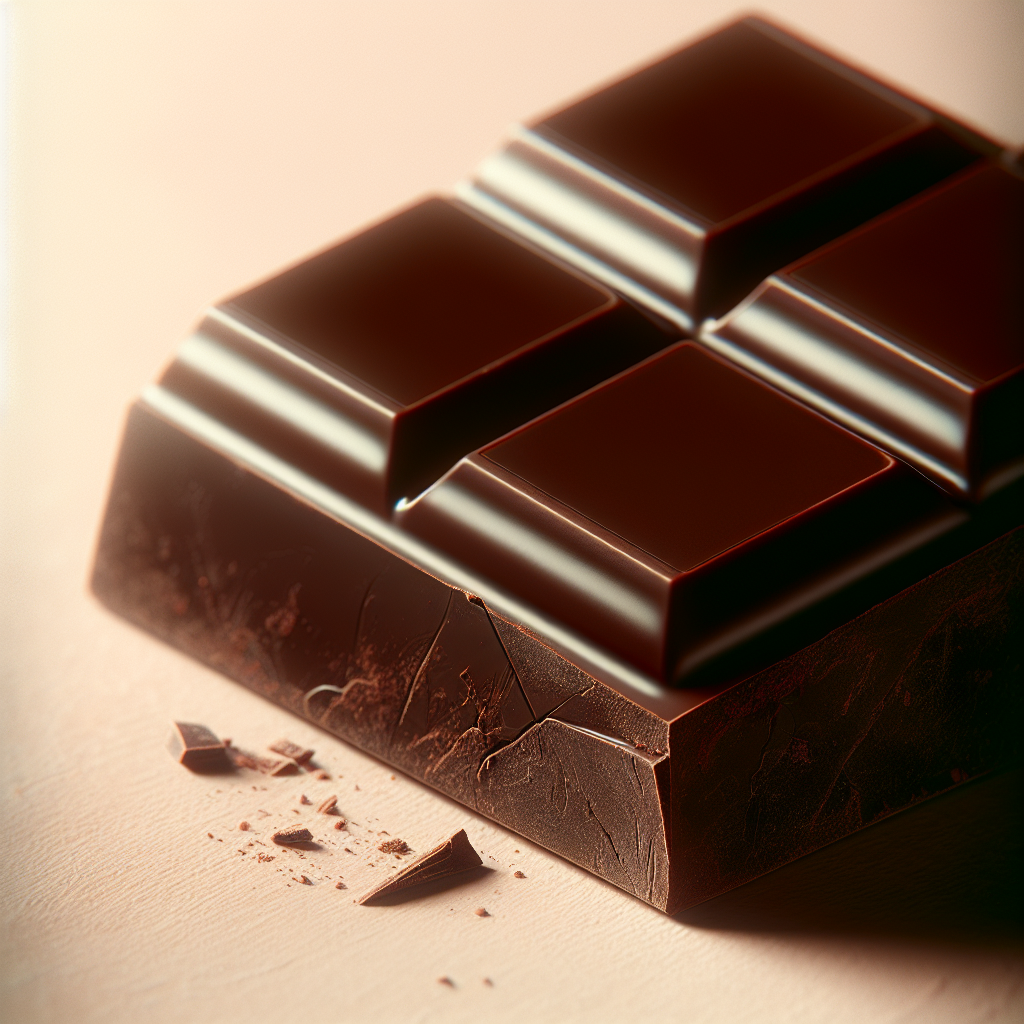
Indulgent, decadent, and oh-so-delicious, dark chocolate has long been revered as a treat that not only satisfies our sweet cravings but also offers a myriad of health benefits. In this blog post, we will delve deep into the world of dark chocolate, uncovering its secrets and exploring the many ways in which it can boost both our well-being and our taste buds. From the intricate process of making dark chocolate to the science behind its health benefits, we will unravel the mysteries of this beloved treat and provide you with all the information you need to fully appreciate and enjoy the rich, complex flavors of dark chocolate. So sit back, grab a bar of your favorite dark chocolate, and join us on a journey to decode the wonders of this delectable delight.
Understanding Dark Chocolate: A Comprehensive Introduction
Dark chocolate, often hailed as the “food of the gods,” is a type of chocolate that is loved by many for its intense flavor and luxurious texture. In this section, we will provide a comprehensive introduction to dark chocolate, exploring its origins, characteristics, and popularity among chocolate enthusiasts.
The Origins of Dark Chocolate
Dark chocolate traces its roots back to the ancient civilizations of Mesoamerica, where the cacao tree (Theobroma cacao) was cultivated for its precious beans. The Mayans and Aztecs were among the first to discover the delights of cacao, consuming it in the form of a bitter beverage. These ancient cultures believed that cacao possessed spiritual and medicinal properties, leading to its reverence and significance in their societies.
Characteristics of Dark Chocolate
Dark chocolate is distinct from its counterparts, milk chocolate and white chocolate, due to its higher cocoa content and minimal additives. The key ingredients in dark chocolate include cocoa solids, cocoa butter, sugar, and, in some cases, vanilla. The percentage of cocoa solids is a defining factor in determining the intensity of flavor and bitterness in dark chocolate.
The Popularity of Dark Chocolate
Over the years, dark chocolate has gained immense popularity among chocolate lovers worldwide. Its rich, complex flavors, ranging from fruity and floral to earthy and nutty, have captivated the palates of connoisseurs. Additionally, the growing awareness of dark chocolate’s potential health benefits has contributed to its rise in popularity.
Dark chocolate has become a staple ingredient in various culinary creations, from desserts and pastries to savory dishes and beverages. Its versatility and ability to complement a wide range of flavors make it a favorite among chefs and home cooks alike.
In the next section, we will explore the intricate process involved in making dark chocolate, shedding light on the key ingredients and the production methods employed to create this delectable treat. So, let’s delve deeper into the fascinating world of dark chocolate and uncover its secrets.
The Making of Dark Chocolate
Dark chocolate undergoes a complex and meticulous process to transform humble cocoa beans into the indulgent treat that we know and love. In this section, we will explore the various stages involved in the making of dark chocolate, from the sourcing of cocoa beans to the final production of the chocolate bars.
The Key Ingredients
The foundation of dark chocolate lies in its key ingredients, namely cocoa beans, cocoa butter, sugar, and often vanilla. Each ingredient plays a crucial role in determining the flavor, texture, and overall quality of the final product. We will delve into the characteristics and sourcing of these ingredients, understanding their significance in creating the perfect dark chocolate.
The Production Process
- Harvesting and Fermentation:
The journey of dark chocolate begins with the harvesting of ripe cocoa pods. These pods are carefully opened, revealing the cocoa beans nestled inside. The beans are then removed from the pods and undergo a fermentation process, where they are placed in shallow containers and left to ferment for several days. This fermentation process is vital as it helps develop the beans’ flavors and removes their natural bitterness. - Drying and Roasting:
After fermentation, the cocoa beans are spread out to dry, allowing them to reach the optimal moisture content. Once dried, the beans are roasted to further enhance their flavors. Roasting also helps to loosen the outer shell, making it easier to separate the cocoa nibs from the husks. - Grinding and Conching:
The roasted cocoa nibs are ground into a fine paste called cocoa liquor or chocolate liquor. This paste contains both cocoa solids and cocoa butter. The grinding process generates heat, causing the cocoa butter to melt and blend with the cocoa solids, resulting in a smooth, velvety texture. To further refine the texture and develop flavor, the chocolate liquor undergoes a process called conching. Conching involves kneading and stirring the chocolate over a period of hours or days, ensuring the particles are evenly distributed and any remaining bitterness is reduced. - Tempering and Molding:
The chocolate is then tempered, a process that involves carefully heating and cooling the chocolate to create stable crystals. This step is crucial in achieving the desired sheen, snap, and texture of the final chocolate. Once tempered, the chocolate is poured into molds and allowed to cool and solidify, resulting in the familiar shape of chocolate bars or other forms.
The Role of Cocoa in Dark Chocolate
Cocoa is the heart and soul of dark chocolate. It not only provides the distinct flavor and color but also offers a range of health benefits. In this section, we will explore the nutritional properties of cocoa, its antioxidant content, and the impact it has on our well-being.
Now that we have uncovered the intricate process involved in the making of dark chocolate and the significance of cocoa, let’s move on to the next section where we will uncover the health benefits that dark chocolate has to offer.
The Health Benefits of Dark Chocolate
Dark chocolate not only provides a delightful sensory experience but also offers an array of potential health benefits. In this section, we will explore the scientific research and evidence behind the positive effects that dark chocolate can have on our well-being. From its nutritional value to its impact on heart health, brain function, and weight management, we will uncover the various ways in which dark chocolate can contribute to a healthier lifestyle.
Nutritional Value of Dark Chocolate
Dark chocolate is not only a delicious treat but also a source of various essential nutrients. It contains minerals such as iron, magnesium, copper, and manganese, as well as fiber and antioxidants. We will delve into the nutritional composition of dark chocolate, shedding light on its potential contributions to our overall health and well-being.
Dark Chocolate and Heart Health
Numerous studies have suggested that dark chocolate may have a positive impact on cardiovascular health. The flavonoids and antioxidants found in dark chocolate have been associated with potential benefits such as improving blood flow, reducing blood pressure, and lowering the risk of heart disease. We will explore the scientific evidence behind these claims and discuss the recommended consumption for optimal heart health.
Dark Chocolate and Brain Function
The consumption of dark chocolate has also been linked to potential cognitive benefits. The flavonoids and other bioactive compounds present in dark chocolate may have a positive impact on brain function, including enhancing cognitive performance, improving memory, and reducing the risk of neurodegenerative diseases. We will examine the scientific research in this area and discuss the potential mechanisms behind these effects.
Dark Chocolate and Weight Management
Contrary to popular belief, dark chocolate can be a part of a balanced diet and may even have a role in weight management. The satiating properties of dark chocolate, along with its potential impact on metabolism and appetite regulation, have been studied. We will explore the research surrounding dark chocolate and its potential role in supporting healthy weight management.
As we uncover the health benefits of dark chocolate, it is essential to understand the proper ways to incorporate it into our diet. In the next section, we will discuss the best ways to enjoy dark chocolate, including pairing suggestions, baking ideas, and creative ways to incorporate it into beverages. So, let’s dive deeper into the realm of dark chocolate and discover the many ways to savor its flavors.
The Best Ways to Enjoy Dark Chocolate
Dark chocolate is a versatile treat that can be enjoyed in a multitude of ways, beyond simply unwrapping a chocolate bar and taking a bite. In this section, we will explore the best ways to savor and appreciate the flavors of dark chocolate, whether it’s through pairing it with other ingredients, incorporating it into baking recipes, or finding creative ways to enjoy it in beverages.
Pairing Dark Chocolate
Pairing dark chocolate with complementary flavors can elevate the tasting experience and bring out the unique characteristics of both the chocolate and its accompanying ingredients. We will delve into the art of chocolate pairing, exploring combinations with fruits, nuts, spices, cheeses, and even wines, to create harmonious and delightful flavor profiles.
Dark Chocolate in Baking
Dark chocolate’s rich and intense flavors make it a perfect ingredient for baking indulgent treats. From brownies and cookies to cakes and tarts, there are countless recipes that incorporate dark chocolate. We will explore various baking techniques and recipes, providing tips and tricks to ensure successful and delicious results.
Dark Chocolate in Drinks
Dark chocolate can also be enjoyed in liquid form, adding depth and richness to beverages. Whether it’s a classic cup of hot cocoa, a decadent chocolate martini, or a refreshing chocolate-infused smoothie, we will explore a range of drink recipes that showcase the versatility of dark chocolate as a beverage ingredient.
By exploring these various ways to enjoy dark chocolate, you can fully immerse yourself in its flavors and indulge in its decadence. However, when it comes to choosing the right dark chocolate, quality is key. In the next section, we will discuss how to identify high-quality dark chocolate, including tips on reading ingredient labels, understanding cocoa percentages, and recognizing reputable brands. So, let’s dive into the world of dark chocolate selection and ensure you make the best choices for your taste buds and well-being.
Choosing High-Quality Dark Chocolate
When it comes to indulging in dark chocolate, it’s important to choose high-quality options that not only provide a delectable taste but also offer the maximum health benefits. In this section, we will explore the key factors to consider when selecting dark chocolate, from reading ingredient labels to understanding cocoa percentages and recognizing reputable brands.
Reading the Ingredients Label
One of the first steps in choosing high-quality dark chocolate is to carefully read the ingredients label. Look for chocolate bars that have a short and simple list of ingredients, preferably without any additives or artificial flavors. The primary ingredients should include cocoa solids, cocoa butter, sugar, and possibly vanilla. Avoid chocolates that contain hydrogenated oils, artificial sweeteners, or excessive amounts of additives.
Understanding the Percentage of Cocoa
The percentage of cocoa content is an essential factor to consider when selecting dark chocolate. This percentage refers to the combined amount of cocoa solids and cocoa butter in the chocolate. Generally, higher cocoa percentages indicate a richer and more intense chocolate flavor. Opt for dark chocolate with at least 70% cocoa content for a balance between flavor and health benefits. However, personal preference for the intensity of flavor may vary, so feel free to experiment with different percentages to find your ideal choice.
Recognizing Quality Packaging and Brands
In addition to the ingredients and cocoa percentage, paying attention to the packaging and brand reputation can also help in choosing high-quality dark chocolate. Look for chocolates that come in well-sealed packages that protect against moisture and air exposure, as these factors can affect the taste and texture of the chocolate. Opting for brands with a reputation for ethical sourcing, sustainable practices, and high-quality craftsmanship can provide assurance of a superior product.
Seeking Certifications and Awards
Certifications and awards can serve as additional indicators of quality when choosing dark chocolate. Look for products that have certifications such as Fair Trade, Organic, or Rainforest Alliance, as these indicate responsible sourcing practices and support for farmers. Additionally, chocolates that have received awards or recognition from prestigious international chocolate competitions or organizations can be a testament to their exceptional taste and quality.
By considering these factors when selecting dark chocolate, you can ensure that you are indulging in a high-quality product that not only satisfies your taste buds but also provides optimal health benefits. So, take your time to explore different brands, read labels, and embrace the world of fine dark chocolate. With this knowledge, you can confidently select the perfect dark chocolate to savor and enjoy.
In Conclusion
Dark chocolate is more than just a delicious treat – it is a treasure trove of flavor and potential health benefits. From its ancient origins to the intricate process of making dark chocolate, we have uncovered the secrets and insights behind this beloved indulgence. We have explored its nutritional value, its positive impact on heart health and brain function, and its potential role in weight management.
Beyond its health benefits, we have also delved into the best ways to enjoy dark chocolate, from pairing it with complementary flavors to incorporating it into baking and beverages. Furthermore, we have provided guidance on choosing high-quality dark chocolate, ensuring that you make informed decisions when selecting your favorite bars.
So, whether you’re a dark chocolate enthusiast or new to this delectable delight, embrace the flavors, savor the experience, and indulge in the wonders of dark chocolate. From its bittersweet notes to its velvety texture, let dark chocolate be your companion in moments of pure indulgence and a source of pleasure for both your taste buds and your well-being.