
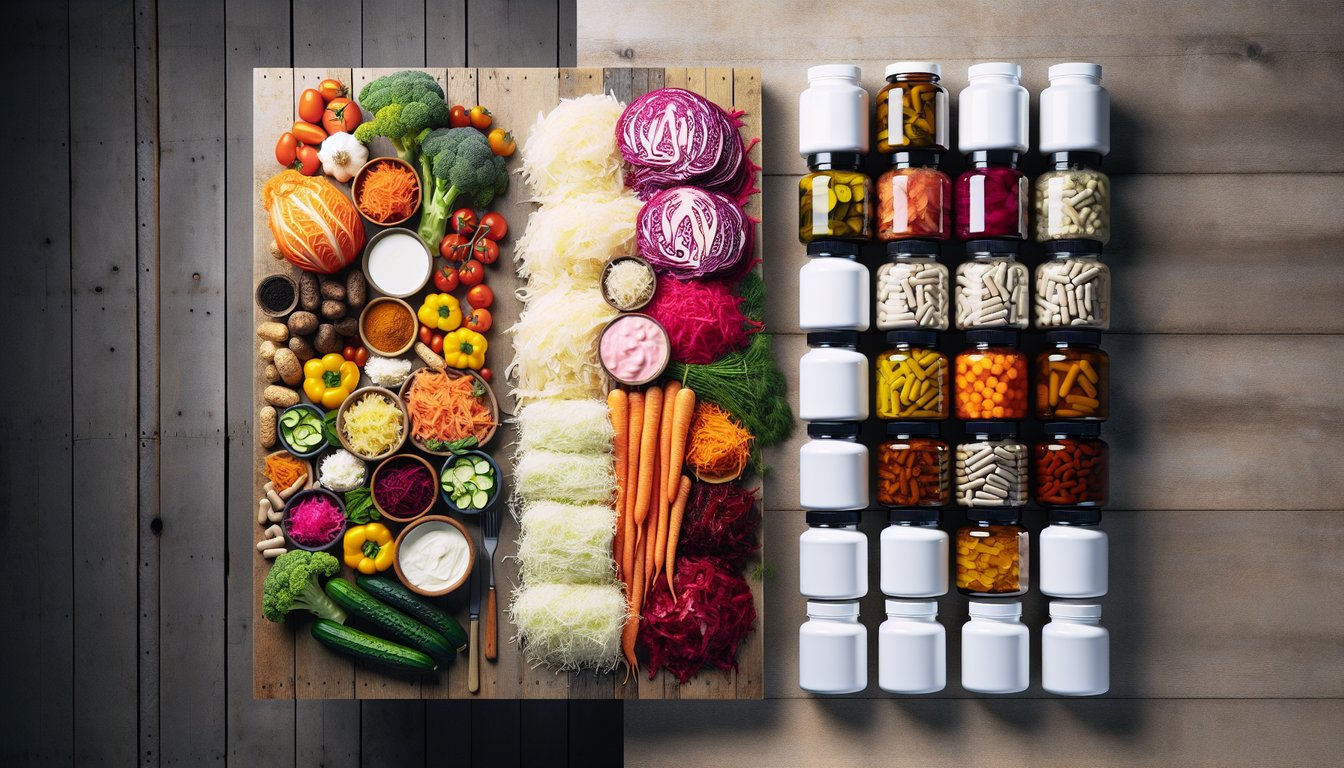
In the quest for optimal gut health, a growing debate centers around the efficacy of probiotic sources. While Harvard Health publishes the wide-ranging benefits of these beneficial bacteria, the comparison between fermented foods and probiotic supplements becomes a hot topic. Nutribliss, a wellness company with a vested interest in gut health, stands on the frontline of this conversation. Through this exploration, the merits of naturally fermented edibles are weighed against the convenience and potency of supplements like Probiotics+.
Natural Fermentation: An Old-World Process for Modern Health
The natural process of fermentation has been a part of human culture for millennia, preserving food and enhancing nutritional value. The live cultures present in these foods are considered natural probiotics, promoting a balanced digestive system. The list of fermented foods is vast, but some well-known examples include:
- Kefir: A tangy, yogurt-like beverage teeming with multiple strains of bacteria and yeasts.
- Sauerkraut: Fermented cabbage known for its sour taste and digestion-friendly properties.
- Kombucha: A fizzy tea-based drink, which undergoes a fermentation process that imbues it with a host of probiotics.
- Miso: A Japanese seasoning produced by fermenting soybeans, rich in flavor and microorganisms beneficial to gut flora.
According to a study referenced by the National Center for Biotechnology Information, fermented foods not only introduce probiotics to the gut but also may enhance the immune system and improve metabolic conditions.
Probiotic Supplements: A Controlled Dose of Beneficial Bacteria
With the advent of technology, probiotic supplements have become a popular alternative for maintaining gut health. Nutribliss’s Probiotics+ boasts a high-potency blend designed for those seeking a more controlled and concentrated intake of probiotics. The benefits of such supplements are well-documented, with studies like one from the Journal of Psychiatric Research indicating their potential to improve digestive health and psychological well-being.
Comparing Potency and Viability
When comparing fermented foods to probiotic supplements, the question of potency and viability arises. The Probiotics+ supplement, for example, contains 100 Billion CFUs per serving, a concentration difficult to match in traditional fermented foods. Moreover, the shelf stability of supplements ensures a consistent dose of live probiotics, as opposed to the variable concentrations found in fermented products.
Convenience vs. Whole Food Nutrition
There’s no denying the convenience of supplements; a single pill can deliver a wide spectrum of probiotic strains. However, fermented foods offer more than just probiotics. They contain a plethora of nutrients and can contribute to a diverse, whole-foods diet, as suggested in an article by The Academy of Nutrition and Dietetics.
The Verdict: Is One Truly Better Than the Other?
The choice between fermented foods and probiotic supplements is not necessarily a matter of “either/or.” Both can play a role in a well-rounded approach to gut health. Fermented foods introduce probiotics in a natural, nutrient-rich context, while supplements like Nutribliss’s Probiotics+ offer a specific, high-potency option for those seeking targeted support. The incorporation of both may be the best strategy for maintaining a healthy microbiome, as supported by customer testimonials and scientific research highlighted in the Nutribliss journal.
For those looking to explore the extensive benefits of probiotics, Nutribliss provides both Probiotics+ and insightful resources on their website. Products are available for purchase on Amazon, and the company, based in Miami Beach, Florida, welcomes inquiries on the topic. Ultimately, the choice comes down to personal preference, lifestyle, and specific health needs – with the common goal of a thriving, balanced gut ecosystem.