
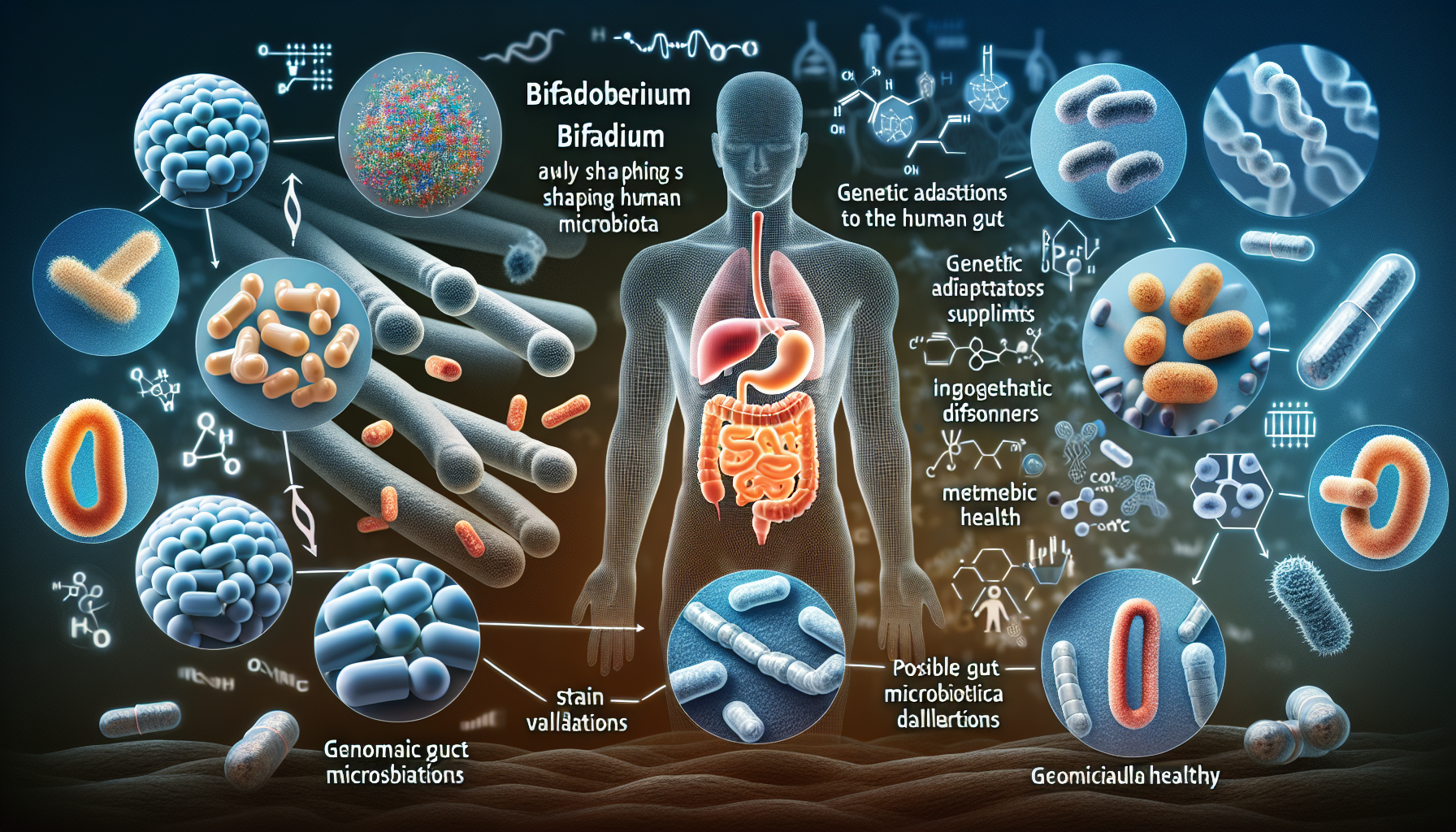
Bifidobacterium bifidum, a cornerstone of the human gut microbiota, plays a pivotal role in maintaining gastrointestinal health and supporting the immune system. This gut bacterium, particularly bifidobacteria, is essential for a balanced gut flora and acts as a crucial probiotic among intestinal bacteria.prevalent in breast-fed infants, contributes to the competitive exclusion of pathogenic bacteria, thereby protecting against various diseasesSuch as diarrhea, necrotizing enterocolitis, and potentially even colorectal cancer. Its importance extends beyond the simple prevention of intestinal disorders, influencing the overall well-being of the host. Understanding the complex interactions between Bifidobacterium bifidum and the human body is critical for leveraging its benefits to human health, highlighting the necessity of exploring this symbiotic relationship further.
The forthcoming sections will delve into the diverse strains of Bifidobacterium bifidum and their unique adaptations for thriving within the human gastrointestinal tract. Emphasis will be placed on how these bacteria colonize the gut, their genetic evolution to coexist symbiotically with humans, and their indispensable role in nurturing and preserving human health. Comparative analyses will shed light on how Bifidobacterium bifidum stands out from other members of the gut microbiota, and discussions will include the potential health benefits of supplementing this probiotic bacterium. Additionally, the article will address the inherent challenges in studying its complex biology and propose future directions in research, setting the stage for advancing our understanding of how Bifidobacterium bifidum shapes the early human microbiota and contributes to a healthy life.
The Diversity of Bifidobacterium bifidum Strains
The diversity of Bifidobacterium bifidum strains is evidenced by their varied functional features which differ across Bifidobacterium partitions, particularly in relation to health status. Some B. bifidum strains possess genes potentially related to phages, which are more prevalent in gut microbiomes with lower diversity and are genetically closer. This suggests a subspecies of B. bifidum with a selective advantage for colonizing specific gut microbiomes, as revealed by genomics studies.
Comparative genomic analysis has shed light on the differences in the genome and physiological characteristics of B. bifidum strains isolated from various sources. These studies have revealed that the microbial diversity within these strains is significant.genetic diversityOf B. bifidum is mainly reflected in factors related to carbohydrate metabolism and immune competition, such as the glycoside hydrolase gene family, bacteriocin operons, antibiotic resistance genes, and other microbial interactions.CRISPR-Cas systemNotably, the discovery of the type III A CRISPR-Cas system in B. bifidum marks a significant advancement in understanding its genetic makeup.
Additionally, the phylogenetic relationships of B. bifidum strains indicate that their evolution may be influenced by the geographical features of their isolation sources. This geographical influence is also reflected in the niche-specific characteristics of different strains, providing insights into the adaptability of B. bifidum to diverse environments, as shown by genomics research.
Strains like BGN4 and NCIMB 41171 have shown unique metabolic capabilities, such as limited fermentation ability and specific reactions within the bifid shunt pathway, which are crucial for their survival and function in various nutrient environments. These findings categorize B. bifidum into distinct groups based on phenotypic predictions and metabolic activities, highlighting the complexity of its interactions within the gut microbiota, including strains like bifidobacterium bifidum mimbb75.
The genomic studies of B. bifidum have also revealed a dynamic pan-genomeWith the number of pan-genes stabilizing as more strains are analyzed. This indicates an open pan-genome that suggests ongoing genetic diversity and adaptability. Comparative genomic studies have further highlighted differences in gene expression related to carbohydrate metabolism between different age groups, underscoring the impact of age on the genetic and functional diversity of B. bifidum.
In conclusion, the diversity of Bifidobacterium bifidum strains is a testament to their evolutionary adaptability and functional specialization within the human gut. This diversity not only affects their probiotic potentials but also their interactions with the host and other microbiota, making bifidobacteria a key focus of microbiological and genetic research.
Human Gut Colonization by Bifidobacterium bifidum
Initial Colonization and Establishment
Bifidobacterium species, including Bifidobacterium bifidum, are among the first to colonize the human gut shortly after birth. These bacteria rapidly become the predominant members of the intestinal microbiota in early infancy. The B. longum subspecies infantisBifidobacterium bifidum mimbb75, previously considered a separate species, is particularly adept at thriving in the gut microbiome of breast-fed infants due to its ability to utilize human milk oligosaccharides (HMOs) effectively. This early colonization plays a crucial role in metabolic and immunological development, influencing the infant’s health and nutritional status significantly.
The colonization of the gut by Bifidobacterium bifidum can be influenced by several factors such as gestational age, delivery mode, and feeding habits. These factors lead to qualitative and quantitative changes in the bifidobacterial population, highlighting the complexity of bacterial colonization in the gut microbiota establishment. Moreover, the vertical transmission of bifidobacterial strains from mother to infant suggests that colonization begins at birth and is shaped by both intrinsic and extrinsic factors, emphasizing maternal inheritance.
Influences on Infant Gut Microbiota Composition
Breastfeeding is a critical factor in promoting the abundance of Bifidobacterium in the infant gut. The prebiotic components in breast milk support this beneficial bacterial growth.The presence of bifidogenic oligosaccharides in breast milk not only supports the growth of Bifidobacterium bifidum but also other health-promoting microbes, acting as a natural prebiotic and probiotic.This interaction is pivotal for the maturation of the gut microbiome, which in turn provides numerous health benefits, including enhanced gut barrier function, nutrient provision, and anti-inflammatory effects, highlighting the importance of prebiotic and probiotic synergy.
Conversely, cesarean sections, bottle feeding, and exposure to antibiotics can disrupt the early establishment of beneficial bifidobacteria in the infant gut. Such disruptions may necessitate interventions like probiotic supplementation to restore a healthy microbiota composition. Studies have indicated that probiotic supplementation with specific Bifidobacterium strains can help normalize the gut microbiome in preterm infants born via cesarean section, further underscoring the importance of these bacteria in early life.
The establishment and composition of the gut microbiota in infants are thus crucial for their immediate health and have long-term implications. Understanding the factors that influence the colonization and development of bifidobacteria within the infant gut is essential for developing strategies to support healthy microbiota in early life, emphasizing the role of probiotics.
Genetic Adaptations of Bifidobacterium bifidum to the Human Gut
Specific Genes for Human Gut Survival
Bifidobacterium bifidum exhibits a range of genetic adaptations that allow it to thrive within the human gastrointestinal tract. One of the key features is its mucosal interaction capabilities.ability to metabolize mucinThe genome of B. bifidum PRL2010 includes genes that code for enzymes responsible for the hydrolysis of galacto-N-biose, a significant structure in mucin-oligosaccharides. This mucin metabolism capability is conserved across the B. bifidum species, indicating a fundamental genetic adaptation for survival in the human gut. Additionally, the presence of a well-conserved estimated genetic background responsible for mucin metabolism highlights its importance in the survival and function of this species in the human gastrointestinal environment, emphasizing its mucosal adaptation.
Moreover, the adaptation of B. bifidum to the human gut is further supported by its ability to degrade host-derived glycans, which is facilitated by the microbial genomics of the species.mobilome within its genome. This includes elements like prophage-like elements and loci encompassing Restriction/Modification systems, which may have been acquired through Horizontal Gene Transfer, suggesting an evolutionary advantage in the microbial genomics of the gut environment.
Interaction with Human Gut Cells
The interaction of B. bifidum with human gut cells is mediated through several mechanisms. Notably, B. bifidum PRL2010 expresses probiotic factors sortase-dependent pili which are crucial for adhesion to the gut mucosa. These pili, specifically pil2 and pil3, not only facilitate adherence to extracellular matrix proteins but also play a role in immunomodulation. The adhesion is significantly influenced by the glycosylation state of the extracellular matrix, as de-glycosylation markedly reduces the binding ability of these pili. This interaction is critical for the colonization and establishment of B. bifidum in the gut.
Furthermore, the immunomodulatory role of B. bifidum is evidenced by its influence on the host immune system. For instance, the expression of sortase-dependent pili leads to an increased tumor necrosis factor alpha response, which suggests that B. bifidum not only adheres to gut cells but also actively engages in modulating the immune responses. This dual role of adherence and immune modulation underscores the complex genetic adaptations of B. bifidum that enhance its survival and function in the human gut, highlighting its probiotic benefits and impact on immune function.
These genetic and functional adaptations of Bifidobacterium bifidum are essential for its role as a key member of the human gut microbiota, particularly in the early stages of life, but also throughout adulthood. Understanding these mechanisms provides insights into the symbiotic relationship between humans and their gut bacteria, highlighting the importance of B. bifidum in maintaining gastrointestinal health and its probiotic properties.
The Role of Bifidobacterium bifidum in Human Health
Immune System Modulation
Bifidobacterium bifidum plays a critical role in the immune system by interacting with human immune cells and modulating specific immune pathways. These interactions involve both innate and adaptive immune processes, which are crucial for maintaining health. The immunomodulatory actions of Bifidobacterium bifidum are facilitated through surface-associated molecules that interact with pattern recognition receptors on the membranes of epithelial and immune cells. This interaction influences the cellular structure of the intestinal mucosa, promoting immune homeostasis. Additionally, Bifidobacterium bifidum has been shown to modulate immune responses, emphasizing its probiotic and immunity-enhancing properties.by upregulating regulatory T cells, improving intestinal barrier function, and reducing pro-inflammatory cytokines in various models.
Prevention of Gastrointestinal Disorders
Bifidobacterium bifidum is highly effective in preventing and treating various gastrointestinal disorders. It inhibits the growth of harmful pathogens by competing for binding sites on epithelial cells, thus preventing gastrointestinal infections. Specific strains of Bifidobacterium bifidum have been used successfully to treat diarrhea by inhibiting rotavirus, which is a common cause of this condition in infants. Additionally, the routine administration of certain Bifidobacterium bifidum strains has been associated with probiotic benefits.lower incidences of necrotizing enterocolitisin preterm neonates. These protective effects are attributed to the competitive exclusion of pathogens and the maintenance of a healthy intestinal microbiota, reducing the risk of necrotizing enterocolitis in preterm infants.
Impact on Metabolic Health
Research has demonstrated a significant relationship between Bifidobacterium bifidum and metabolic health. Studies indicate that the abundance of Bifidobacterium bifidum is reduced in individuals with increased body mass index, visceral adipose tissue, and other metabolic syndrome markers. Treatment with Bifidobacterium bifidum strains has been shown to enhance bile acid signaling, which improves oxidative phosphorylation in adipose tissues, leading to notable probiotic benefits.reduced body weight gain and better glucose homeostasisThis suggests that Bifidobacterium bifidum could be a potential therapeutic agent for reprogramming host metabolic homeostasis and protecting against metabolic disorders, highlighting its role as a probiotic.
Comparative Insights: Bifidobacterium bifidum vs. Other Gut Microbiota
Differences in Ecological Niches
Bifidobacterium bifidum, along with other bifidobacteria, occupies a variety of ecological nichesConnected to the animal gastrointestinal tract, including the human oral cavity and the insect gut, bifidobacteria exhibit diversity in habitat. This contrasts with other bifidobacterial species such as B. breve and B. longum subsp. longum, which are also prevalent in the infant gut but do not possess the same extensive HMO catabolic capabilities as B. bifidum. After weaning, the bifidobacterial population shifts towards species like B. longum subsp. longum and B. adolescentis, which adapt to metabolize plant-derived sugars, while B. bifidum transitions its metabolic focus towards mucin degradation, showcasing its unique probiotic properties.
The ability of bifidobacteria to adapt to specific environments is evident, with species like B. bifidum demonstrating a cosmopolitan lifestyle, whereas others are adapted to specific hosts or ecological niches. This adaptation is further highlighted by the presence of bifidobacteria in diverse environments such as nonhuman mammals, insects, birds, and even human blood and sewage, emphasizing the versatile nature of this microbe.
Functional Roles in the Gut
Bifidobacteria, including Bifidobacterium bifidum, play crucial roles in the gut through their metabolism of complex carbohydrates, which not only aids in their colonization and persistence but also benefits the host by providing essential nutrients. Bifidobacterium bifidum’s capability as a probiotic and prebiotic is significant in maintaining gut health.ability to produce vitamins, such as the in situ production of riboflavinThis enhances its functional role within the gut, offering potential health benefits when used as a functional food ingredient, highlighting its probiotic and prebiotic properties.
The protective role of bifidobacteria in the gastrointestinal tract is facilitated by their ability to modulate intestinal epithelial barrier function and protect against pathogensThis is exemplified by the production of extracellular substances like exopolysaccharide (EPS), which not only helps bifidobacteria to overcome gastrointestinal challenges but also has immunomodulatory effects, influencing immune cell responses, showcasing its probiotic benefits.
In comparison, while other gut microbiota also contribute to health through mechanisms like competitive exclusion and metabolic interactions, Bifidobacterium bifidum’s specific adaptations for mucin degradation and its interaction with host-derived glycans set it apart in its ecological and functional roles within the gut. This highlights the unique position of Bifidobacterium bifidum among gut microbiota, emphasizing its importance as a probiotic in both early developmental stages and throughout human life.
Potential Health Benefits of Supplementing Bifidobacterium bifidum
Probiotic Supplements
Bifidobacterium bifidum, a probiotic residing in the intestines, is integral to gut health, producing lactic and acetic acids that aid digestion and inhibit harmful organisms. This bacterium is prevalent in the feces of breastfed infants and is a common component in probiotic supplements, highlighting its significance in early digestive health. Probiotic supplements containing B. bifidum, such as bifidobacterium bifidum mimbb75, are used to manage conditions like irritable bowel syndrome (IBS) and to prevent respiratory infections. These supplements have shown potential in reducing symptoms associated with these conditions, although the scientific evidence varies.
The safety profile of B. bifidum is generally favorable, with most individuals tolerating it well over periods extending up to one year. However, specific populations, such as pregnant women, breastfeeding mothers, children, and those with weakened immune systems, should consult healthcare providers before supplementation, especially when considering probiotic use.
Therapeutic Uses in Gut Health Conditions
Bifidobacterium bifidum has demonstrated effectiveness in several gut-related health conditions. For instance, it has been shown to alleviate symptoms of both constipation and diarrhea.alleviate symptoms of irritable bowel syndrome, such as stomach pain and bloating. Additionally, this probiotic has been associated with preventing infections in the airways and has been used in efforts to combat ulcerative colitis by restoring the colon’s mucus layer.
In the context of gastrointestinal disorders, B. bifidum has been employed alongside other probiotics like B. longum to prevent severe conditions such as necrotizing enterocolitis in animal models. Its ability to modulate the NF-kB pathway and restore intestinal microbiome balance makes it a valuable probiotic agent in managing and potentially reversing the dysbiosis associated with various gut health issues.
Moreover, B. bifidum has shown promising results in inhibiting cancer cell lines and may play a role in cancer prevention, particularly in gastrointestinal contexts. This probiotic’s multifaceted effects in the gut underscore its potential as a therapeutic agent in treating and preventing a range of digestive and systemic diseases.
Challenges and Considerations in Studying Bifidobacterium bifidum
Strain Variation
The study of Bifidobacterium bifidum faces significant challenges due to the strain variation within the species. Notably, the genomic sequence of B. bifidum BGN4, isolated from the feces of healthy breast-fed infants, has been extensively documented, revealing a high degree of genetic similarity over generations. However, intra-species analysis indicates that strains of the same species can vary significantly, suggesting that external factors may influence gut colonization. This variation complicates the ability to generalize findings across different strains or to predict responses to dietary changes and therapeutic interventions. Additionally, the presence of phage-related genes in some strains suggests an adaptation to more altered gut microbiomes, which may affect their functionality and interactions within the gut.
Human Study Limitations
Research on Bifidobacterium bifidum also encounters limitations due to the complexities of human studies. The evidence regarding the efficacy of this probiotic in treating conditions like high LDL cholesterol, low HDL cholesterol, and other health issues remains inconsistent and weak. This inconsistency underscores the need for more high-quality clinical trials to establish clear therapeutic benefits. Moreover, the variation in dietary habits, which significantly impacts gut microbiome composition, poses additional challenges in studying the specific effects of B. bifidum. The reliance on pooling studies to increase sample sizes can introduce variability due to different technical parameters and a lack of comprehensive metadata. These factors make it difficult to draw definitive conclusions and necessitate a cautious approach to interpreting the data from studies on B. bifidum.
Future Directions in Bifidobacterium bifidum Research
Genomic Studies
The expanding availability of genome sequences for various strains of Bifidobacterium bifidum presents a substantial opportunity for advancing our understanding of their adaptability and functional roles in different habitats. Recent genomic analyses reveal that strains such as B. longum subsp. infantis have evolved to efficiently utilize human milk oligosaccharides, a trait that aligns with their prevalence in the infant gut. Conversely, B. longum subsp. longum shows a higher capacity for breaking down plant-derived complex carbohydrates, suitable for adult gut environments. This genomic diversity indicates a potential for Bifidobacterium bifidum to adapt to a wide range of environments beyond the human gut, such as in dairy fermentation processes, as seen in the reduced genomic potential of B. animalis subsp. lactis. Future research could leverage whole-genome phylogenomic approaches to refine the classification and understand the evolutionary trajectories of these bacteria, providing deeper insights into their ecological niches and interactions within the gut microbiota.
Clinical Trials
Clinical trials focusing on Bifidobacterium bifidum have shown promising avenues, particularly in the context of cancer treatment and immunotherapy. For instance, ongoing studies are investigating the impact of Bifidobacterium supplementation on the gut microbiota of cancer patients, with preliminary findings suggesting potential benefits in enhancing the efficacy of immunochemotherapy. These studies are exploring how Bifidobacterium bifidum and related species might modulate immune responses, possibly through mechanisms like altering dendritic cell function and T cell activation in the tumor microenvironment. Future clinical trials should aim to establish robust experimental evidence that can support precision strategies in using Bifidobacterium bifidum to improve treatment outcomes in cancer and other diseases, potentially incorporating engineered strains or derived postbiotics to maximize therapeutic benefits.
New Applications in Gut Health
The therapeutic potential of Bifidobacterium bifidum in gut health extends beyond traditional probiotic applications. Recent efforts in genomic and clinical research have opened new possibilities for using Bifidobacterium bifidum in preventing and treating a range of gastrointestinal disorders and enhancing metabolic health. Innovations in genetic engineering may allow for the development of Bifidobacterium strains with enhanced functionalities or the removal of undesirable traits, enabling more targeted interventions in gut health. Additionally, the exploration of synbiotics, which combine probiotics with prebiotics, has shown potential in treating conditions like infectious diarrhea and inflammatory bowel diseases, suggesting that Bifidobacterium bifidum could play a central role in next-generation synbiotic formulations. These advancements underscore the need for continued research into the multifaceted roles of Bifidobacterium bifidum in human health, with a focus on developing probiotic solutions.new applications that leverage its probiotic properties.
Conclusion
Throughout the exploration of Bifidobacterium bifidum’s role in the human microbiota, we have delved into its vital contributions towards maintaining gastrointestinal health, supporting the immune system, and its potential therapeutic applications. This beneficial bacterium’s ability to colonize the human gut from infancy, highlighting the importance of bifidobacteria as a probiotic.its genetic adaptabilityand the comprehensive interactions with its host underline its significance in promoting a healthy microbiome. These discussions not only illuminate B. bifidum’s intrinsic value in human health but also underscore the importance of fostering a balanced gut microbiota for overall well-being, emphasizing the role of bifidobacteria and probiotics.
As we have seen, further research and clinical trials are essentialto unlock the full therapeutic potential of B. bifidum, especially in areas like cancer treatment, immune modulation, and metabolomic influences. This ongoing pursuit of knowledge points to a promising future in which B. bifidum could play a pivotal role in medical and health applications. For those intrigued by the profound impact of Bifidobacterium bifidum and seeking deeper insights into how it shapes our health, a wealth of information awaits at probiotic research centers.NutriBlissProbiotics.
FAQs
1. What are the benefits of Bifidobacterium bifidum for human health?
Bifidobacterium bifidum, a type of probiotic bacteria, offers several health benefits for humans and animals. These include anti-infection properties, aiding in depression management, enhancing the immune system, and improving nutrient absorption, showcasing the diverse bifidobacterium bifidum benefits.
2. Why is Bifidobacteria crucial for maintaining gut health?
Bifidobacteria play a vital role in gut health by digesting dietary fiber, preventing infections, and producing essential vitamins and other chemicals. A deficiency in bifidobacteria is associated with various diseases, and taking supplements containing these bacteria can help alleviate symptoms of certain conditions.
3. What role do bifidobacteria play in the human gut microbiota?
Bifidobacteria are among the initial microbes to colonize the human gastrointestinal tract. They are known for their health-promoting effects and are commonly used as active ingredients in functional foods due to these benefits, highlighting their importance as a probiotic.
4. How does Bifidobacterium bifidum function within the body?
Bifidobacterium bifidum works through several mechanisms including modulating both adaptive and innate immune responses, strengthening the intestinal epithelial barrier, preventing the adhesion of pathogens, and producing antimicrobial compounds. These actions contribute significantly to its effectiveness in supporting gut health, making it a valuable probiotic.