
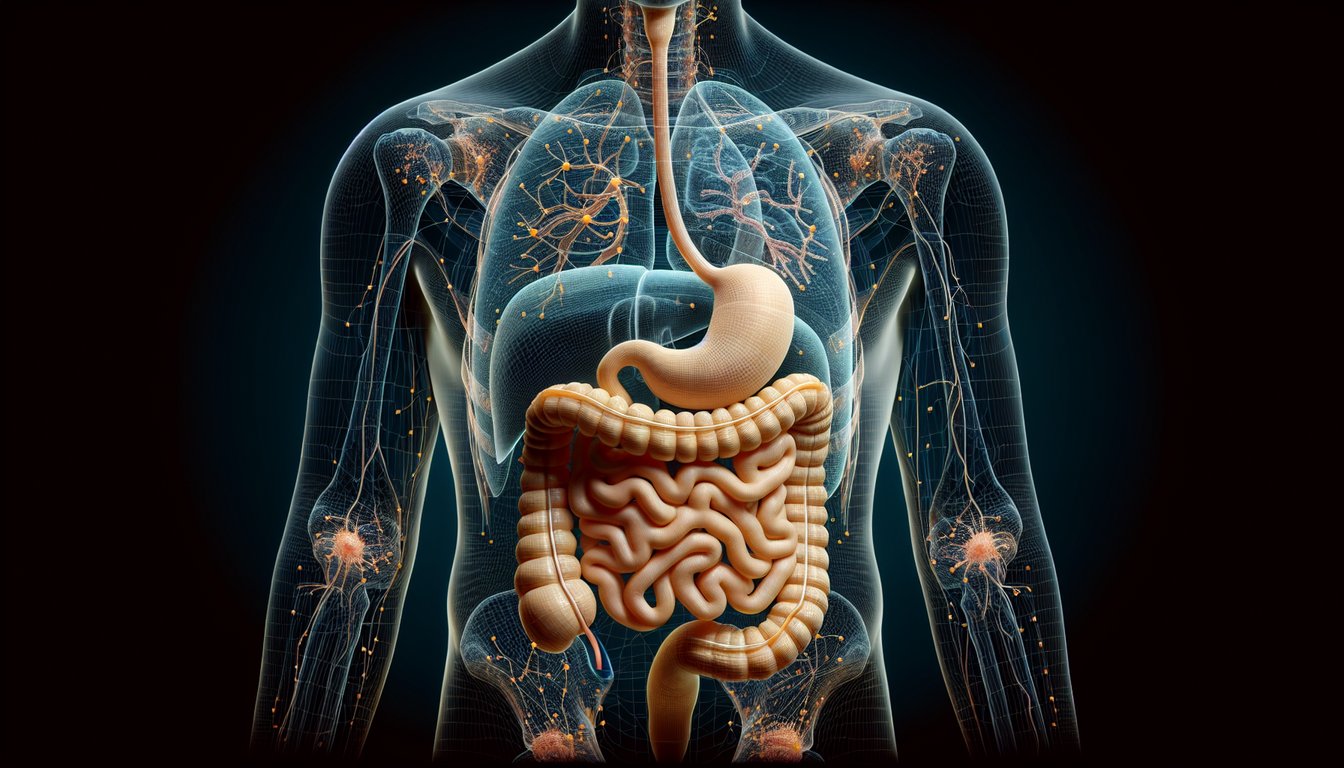
Welcome to the fascinating journey through our internal fuel-processing machine: the human digestive system. In this comprehensive guide, we will explore and label the sequence of organs and processes that work tirelessly to break down food, absorb nutrients, and exp waste. This in-depth look aims to enhance your understanding of digestive anatomy and make learning an interactive experience.
An Overview of the Digestive System
Before we delve into labeling each segment, it’s essential to comprehend the digestive system’s primary role. It starts at the mouth and winds its way to the anus, forming a continuous channel known as the alimentary canal, complemented by accessory organs that secrete crucial enzymes aiding digestion. The process of digestion is a brilliantly orchestrated symphony of mechanical and chemical breakdown, allowing the body to assimilate the essential nutrients it needs to function.
The Journey of Food: From Ingestion to Elimination
Let’s segment the digestive pathway and highlight the key players:
- Mouth: The entry point where mechanical digestion begins with chewing and chemical digestion is initiated by salivary enzymes.
- Pharynx and Esophagus: These act as conduits for food to pass from the mouth to the stomach, with the esophagus propelling food through peristalsis.
- Stomach: A muscular organ that mixes food with digestive juices, including hydrochloric acid and pepsin, to start protein digestion.
- Small Intestine: The major site for chemical digestion and nutrient absorption, with three distinct parts: the duodenum, jejunum, and ileum.
- Large Intestine: Absorbs water and electrolytes, turning digested residue into feces.
- Rectum and Anus: The final section where feces is stored before being eliminated through the anus.
Accessory Organs: The Ultimate Support System
These organs are critical for digestion but not part of the alimentary canal:
- Salivary Glands: Produce saliva to commence the digestive process.
- Liver: Produces bile to emulsify fats, aiding in their digestion.
- Gallbladder: Stores bile before releasing it into the small intestine.
- Pancreas: Secretes digestive enzymes into the small intestine to further break down food.
Why Proper Labeling Matters
In the realm of education, particularly in anatomy and physiology, the correct labeling of the digestive system can vastly improve learning outcomes. It encourages active engagement, promotes memory retention, and helps students identify and understand the intricacies of each component. Additionally, for professionals in the health and wellness fields, such as those at Nutribliss, understanding the digestive system is key to formulating effective gut health solutions like Probiotics+ and Ashwagandha Gummies.
Interactive Learning: A Step-by-Step Labeling Exercise
Now, let’s put our knowledge into practice with an interactive labeling exercise. Utilizing clear diagrams and models can be extremely beneficial:
- Start with a blank diagram of the digestive system.
- Label each part in sequence, referring to the list provided above.
- As you label, pause to visualize the flow of food and the specific role of each organ.
- Utilize online resources, such as MedlinePlus for accurate information and diagrams.
Conclusion
Understanding the digestive system’s structure and function has far-reaching implications for health, education, and medicine. Labeling each part of this intricate system enhances our grasp of how we process the very sustenance that keeps us alive. As we learn more, we can appreciate the critical role of a balanced diet and the importance of maintaining gut health, which is at the heart of companies like Nutribliss. For those keen to delve deeper into the subject, Nutribliss provides additional educational resources on their blog.
To learn more, visit https://nutriblissprobiotics.com/blog/