
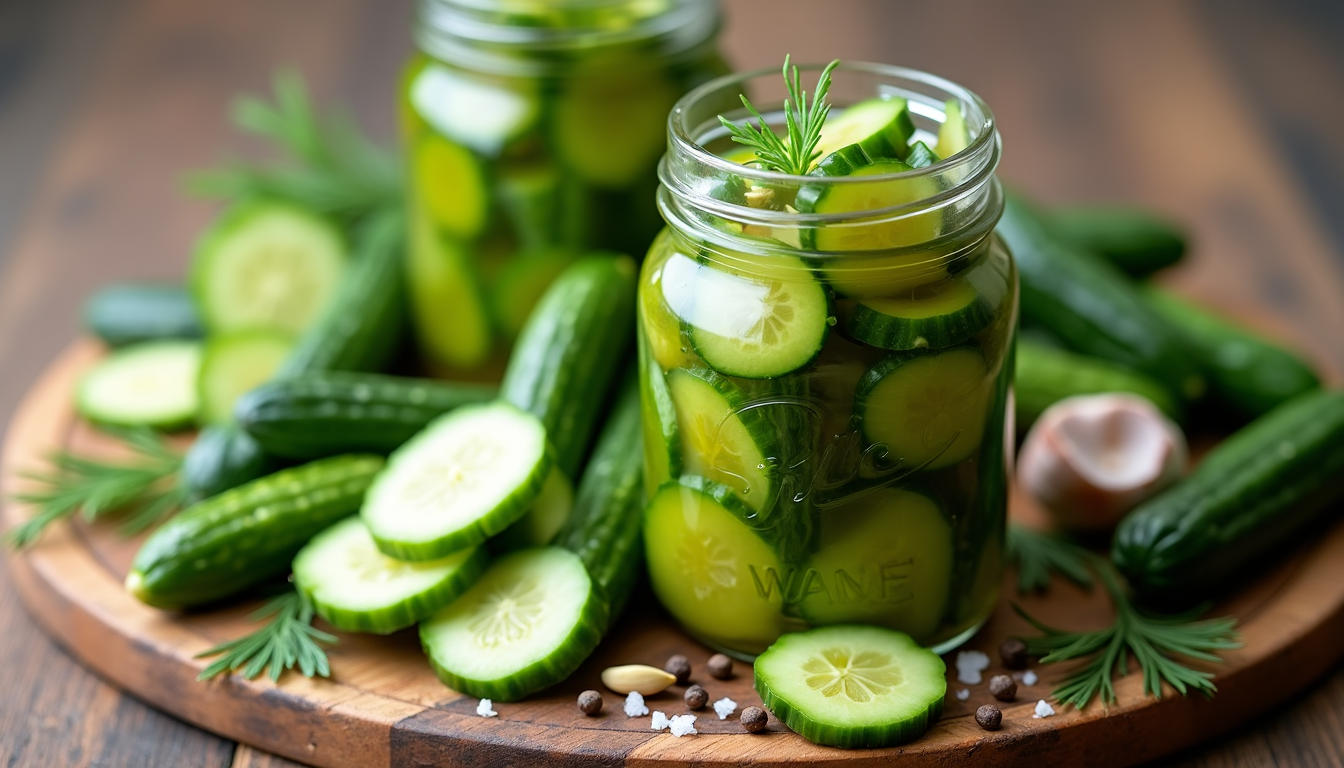
That satisfying crunch of a pickle brings joy to many of us, but we rarely think about what these tangy treats might do beyond adding flavor. People often ask me about pickles have probiotics since I focus on gut health.
The answer comes with some nuance. Fermented pickles can give you beneficial bacteria, but not every pickle jar at your grocery store will help your gut health. Everything depends on how manufacturers make and process them.
This piece will help you discover the full potential of pickle probiotics. You’ll learn which types actually contain good bacteria and how to add them to your diet. We’ll also talk about situations where pickles might not suit your health needs.
The Science Behind Pickles have Probiotics
Let’s head over to the amazing science behind probiotic pickles. The fermented pickles and their probiotic benefits involve a complex microbiological process that people have perfected over centuries.
Types of beneficial bacteria in pickles
Traditional fermented pickles contain several key probiotic bacterial strains. The dominant species include:
- Lactobacillus plantarum – the main fermenting bacteria
- Lactobacillus brevis and Leuconostoc mesenteroides
- Pediococcus pentosaceus and Lactobacillus pentosus
How pickle fermentation works
The sort of thing I love about the fermentation process is how it happens in three distinct phases. The original phase starts when the salt brine eliminates harmful bacteria and allows beneficial ones to thrive. The second phase sees Leuconostoc bacteria multiply rapidly, creating those characteristic bubbles in actively fermenting pickles. The environment becomes perfect for Lactobacillus species to flourish in the final phase, which completes the fermentation process.
Measuring probiotic content
Colony Forming Units (CFUs) serve as our standard metric to measure probiotic content. Laboratory testing shows fermented pickles typically contain between 12 and 14 billion CFUs per serving. The brine contains more beneficial bacteria than the pickles themselves, and refrigerated batches show higher probiotic counts than those stored at room temperature.
These numbers might seem impressive, but they’re lower than probiotic supplements. The comprehensive benefits of fermented pickles are a chance to get advantages that supplements can’t match.
Health Conditions That Benefit from Probiotic Pickles
My research shows that probiotic pickles are great for many health conditions. These fermented foods can support our wellbeing in several ways.
Digestive disorders and IBS
My work with digestive health shows that fermented pickles help people who struggle with IBS symptoms. Research indicates that probiotic-rich pickles restore the natural balance of gut bacteria and improve digestion. The sort of thing I love is how people with IBS get relief from their symptoms when they add fermented foods to their diet. They notice improvements in bloating and gas.
Immune system support
The immune system has a surprising connection to our gut – about 70% of our immune system lives there. This makes fermented pickles a vital part of immune support. They stand out because they:
- Have anti-microbial properties
- Show anti-inflammatory effects
- Provide antioxidant benefits
Mental health connections
The connection between fermented foods and mental health is one of the most fascinating areas I’ve studied. Fermented pickles can influence our mental wellbeing through the gut-brain axis (our “second brain”). Recent research from Cleveland Clinic shows that fermented foods can boost our mood by creating an environment that helps produce neurotransmitters. Studies link fermented food consumption to lower anxiety levels.
The way fermented pickles affect the enteroendocrine system amazes me. They influence important hormones like serotonin and GLP-1. This complex relationship explains why adding fermented foods to our diet does more than improve digestion – it might boost our mental wellbeing too.
Potential Risks and Contraindications
Though I’m excited about probiotic pickles’ benefits, let’s talk about some health issues that might make them a poor choice if you have certain conditions.
High blood pressure concerns
Pickles’ most important health issue is their high sodium content. A single pickle spear can contain over 300mg of sodium, which makes up about 13% of the daily recommended limit for healthy adults. Research shows that high dietary salt intake has a strong link to high blood pressure and increases the risk of stroke and renal disease.
Histamine sensitivity issues
My research into fermented foods has found that there was a serious concern about histamine sensitivity. Your body might react strongly to the high histamine content in fermented pickles through:
- Headaches and migraines
- Skin reactions and hives
- Digestive issues including nausea and diarrhea
- Anxiety and sleep disorders
Histamine intolerance often associates with other gut health issues. People who have Small Intestinal Bacterial Overgrowth (SIBO) or Irritable Bowel Syndrome (IBS) might react more severely to histamine.
When to avoid probiotic pickles
You should stay away from fermented pickles if you have salt-sensitive hypertension. On top of that, it’s risky to eat homemade fermented pickles if you have a compromised immune system because of potential bacterial risks. It’s worth mentioning that fermented foods can feed both good and harmful bacteria if you’re dealing with Candida overgrowth.
Fermented pickles can benefit many people, but they’re not right for everyone. You should talk to your healthcare provider before adding them to your diet, especially if you have any pre-existing conditions.
Integrating Pickles Into Therapeutic Diets
Pickles have always intrigued me as a nutritionist who specializes in therapeutic diets. Their versatility makes them perfect additions to different healing protocols. Let me share how these fermented foods can become part of specific dietary approaches.
Keto and low-carb considerations
My clients often ask about pickle compatibility with ketogenic diets. These pickles align perfectly with keto:
- Dill pickles: Less than 1 gram of net carbs per serving
- Sour pickles: Approximately 1 gram of net carbs per serving
- Kosher pickles: Nearly zero carbs
Sweet and bread-and-butter varieties should stay off your list since they can pack up to 20 grams of net carbs per serving.
GAPS and healing protocols
Fermented pickles play a vital role in gut healing through the GAPS protocol. The GAPS diet suggests adding probiotic foods into every bowl of soup. My patients respond best when they start with small amounts of pickle juice and gradually increase to 1-2 tablespoons of fermented vegetables per meal.
Autoimmune-friendly options
People following autoimmune protocols (AIP) should focus on properly fermented vegetables. Most store-bought pickles are simply brined rather than fermented, yet AIP-compliant options exist. The best choices are unpasteurized, traditionally fermented varieties that support gut health without triggering immune responses.
The sort of thing I love about fermented foods is their ability to help reverse intestinal permeability and improve gut barrier function. My autoimmune clients need pickles that are:
- Free from added sugars and preservatives
- Properly fermented (not just vinegar-brined)
- Stored in the refrigerated section
Look for terms like “fermented,” “unpasteurized,” and “live cultures” on the label. These indicators ensure you get the probiotic benefits you need.
Conclusion
Probiotic pickles showcase a fascinating mix of old-world food preservation and modern health science. My research shows that not all pickles provide probiotic benefits. The traditionally fermented ones can really help your gut health, immune system and mental wellbeing.
Success depends on picking the right type of pickles that match your health needs. Store-bought vinegar-brined pickles taste great but lack the good bacteria found in traditionally fermented ones. People with high blood pressure or histamine sensitivities should be careful. Those following keto or AIP diets can usually include these fermented foods without issues.
Looking closely at pickle probiotics reveals these simple vegetables offer more than just crunch and tang. Probiotic pickles could be a great addition to your diet if you want to support your digestive health or boost your immune system. You can learn more about probiotics and gut health at https://nutriblissprobiotics.com/blog/ where you’ll find expert insights and practical advice.
Note that adding probiotic pickles to your diet needs careful thought about your health situation. Start small and listen to your body’s signals. Adjust your intake based on how you feel. Your path to better gut health might start with just one properly fermented pickle.
FAQs
Q1. Are all pickles a good source of probiotics? Not all pickles contain probiotics. Only traditionally fermented pickles, typically made without vinegar, offer probiotic benefits. Most store-bought pickles are vinegar-brined and lack beneficial bacteria.
Q2. How can fermented pickles benefit gut health? Fermented pickles can support digestive health by restoring the natural balance of gut bacteria. They may help alleviate symptoms of IBS, reduce bloating, and improve overall digestion due to their probiotic content.
Q3. Can consuming probiotic pickles affect mental health? Yes, there’s a potential connection between fermented foods like pickles and mental health. Through the gut-brain axis, probiotic pickles may influence mood and potentially reduce anxiety levels by creating an environment conducive to neurotransmitter production.
Q4. Are there any risks associated with eating probiotic pickles? While probiotic pickles offer health benefits, they may not be suitable for everyone. People with high blood pressure should be cautious due to their high sodium content. Those with histamine sensitivity may experience adverse reactions, and individuals with compromised immune systems should exercise caution with homemade fermented pickles.
Q5. How can I incorporate probiotic pickles into specific diets like keto or autoimmune protocols? For keto diets, choose dill, sour, or kosher pickles, which are low in carbs. In autoimmune protocols, opt for unpasteurized, traditionally fermented varieties without added sugars or preservatives. Always start with small amounts and gradually increase intake while monitoring your body’s response.
For Probiotics: https://nutribliss.us/products/nutribliss-probiotics-supplement-60-capsules